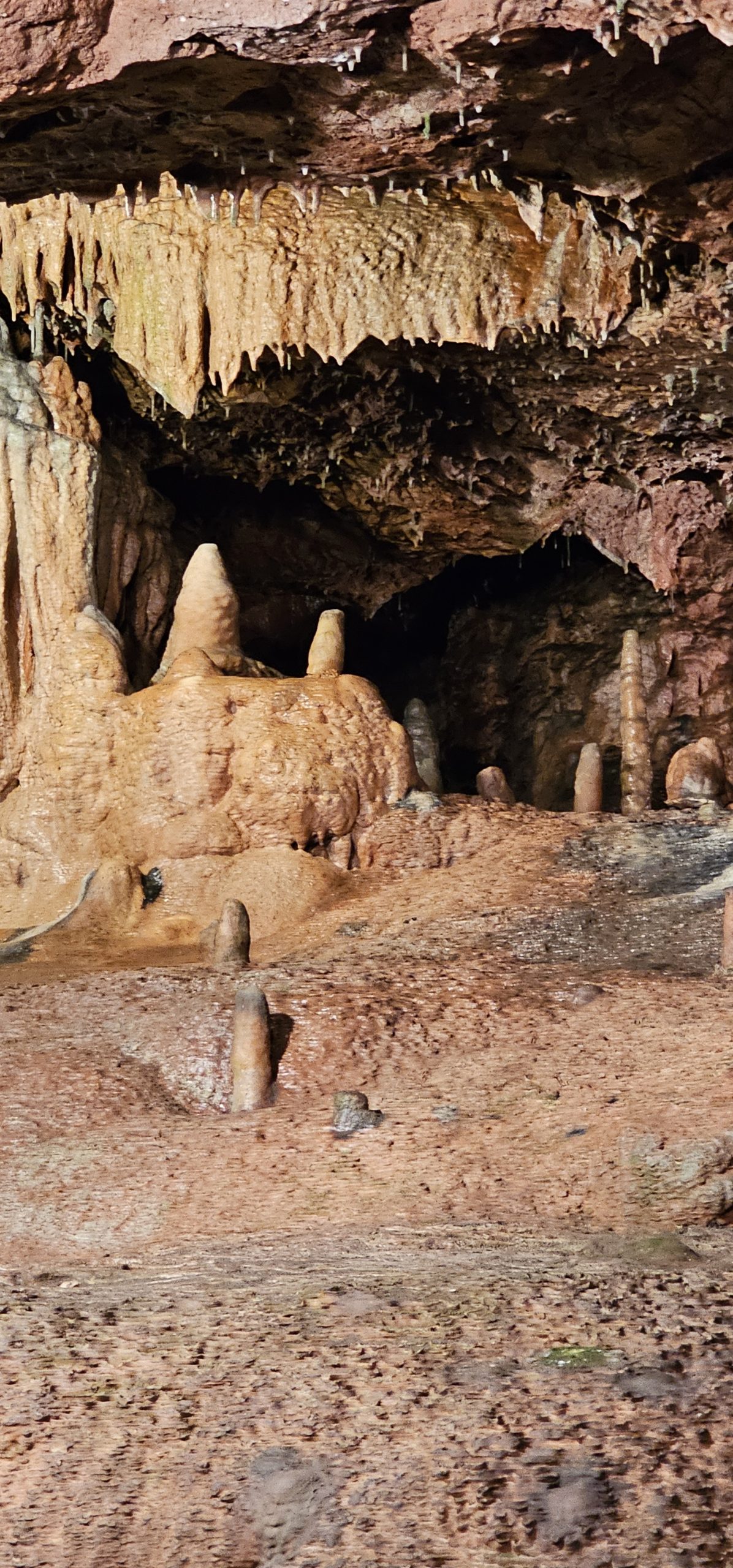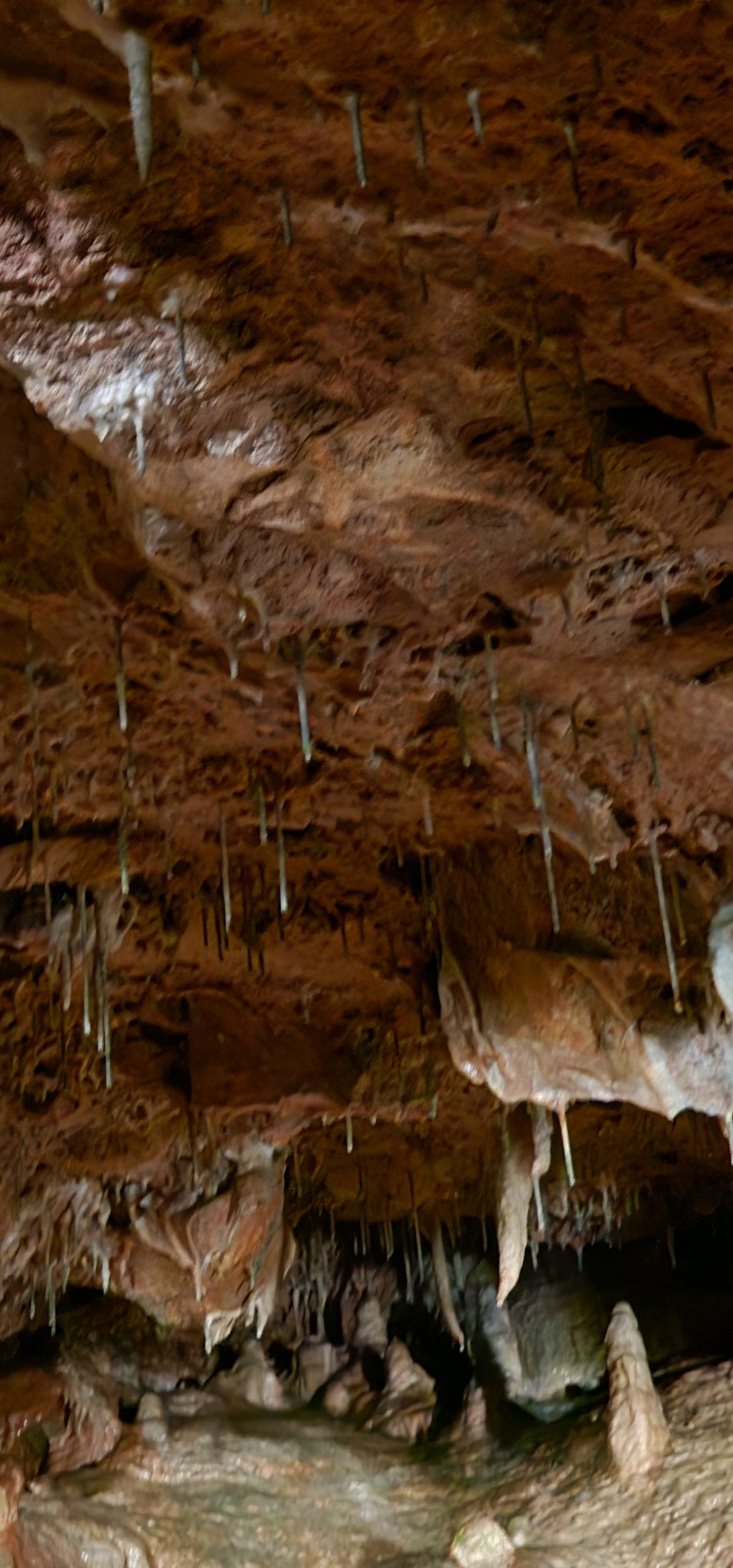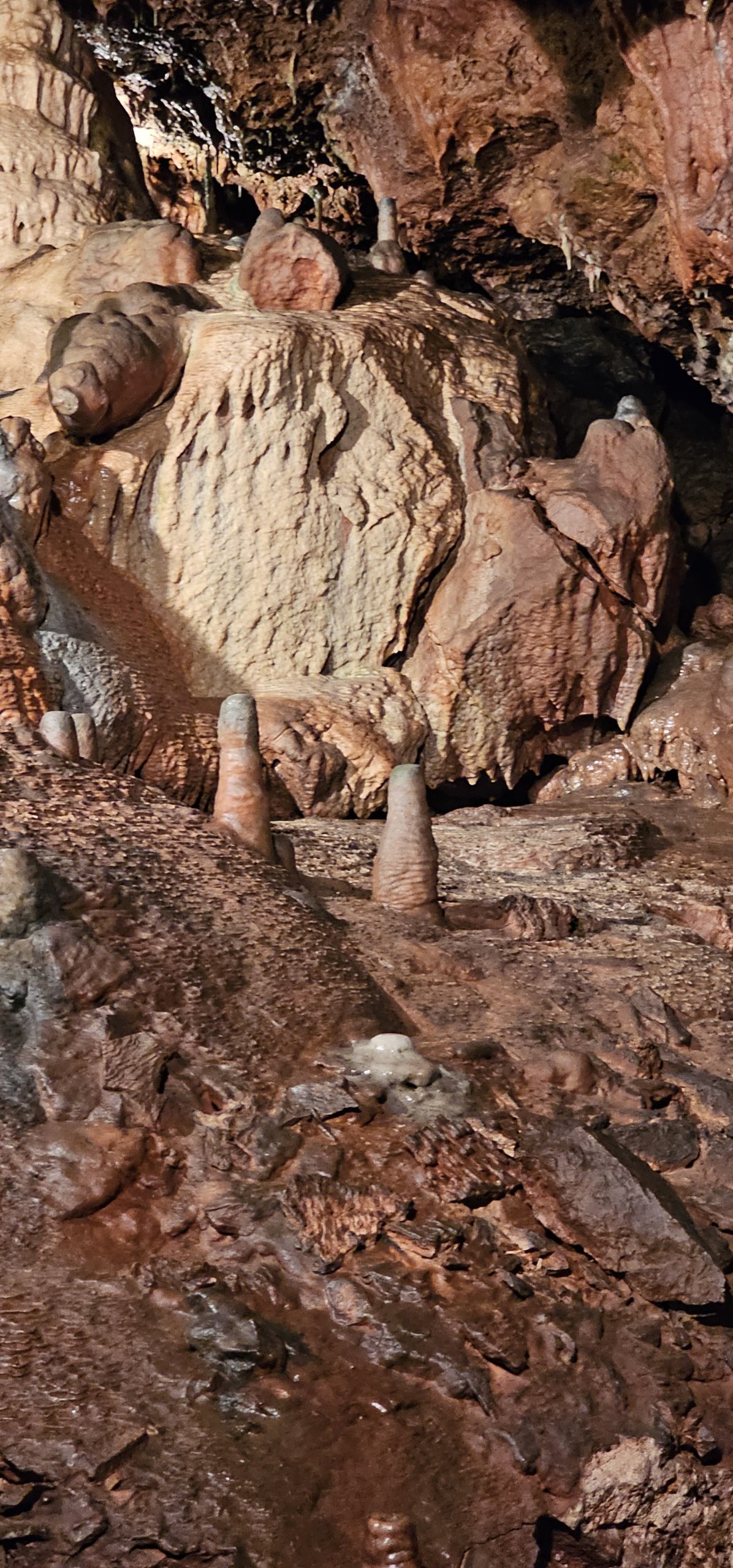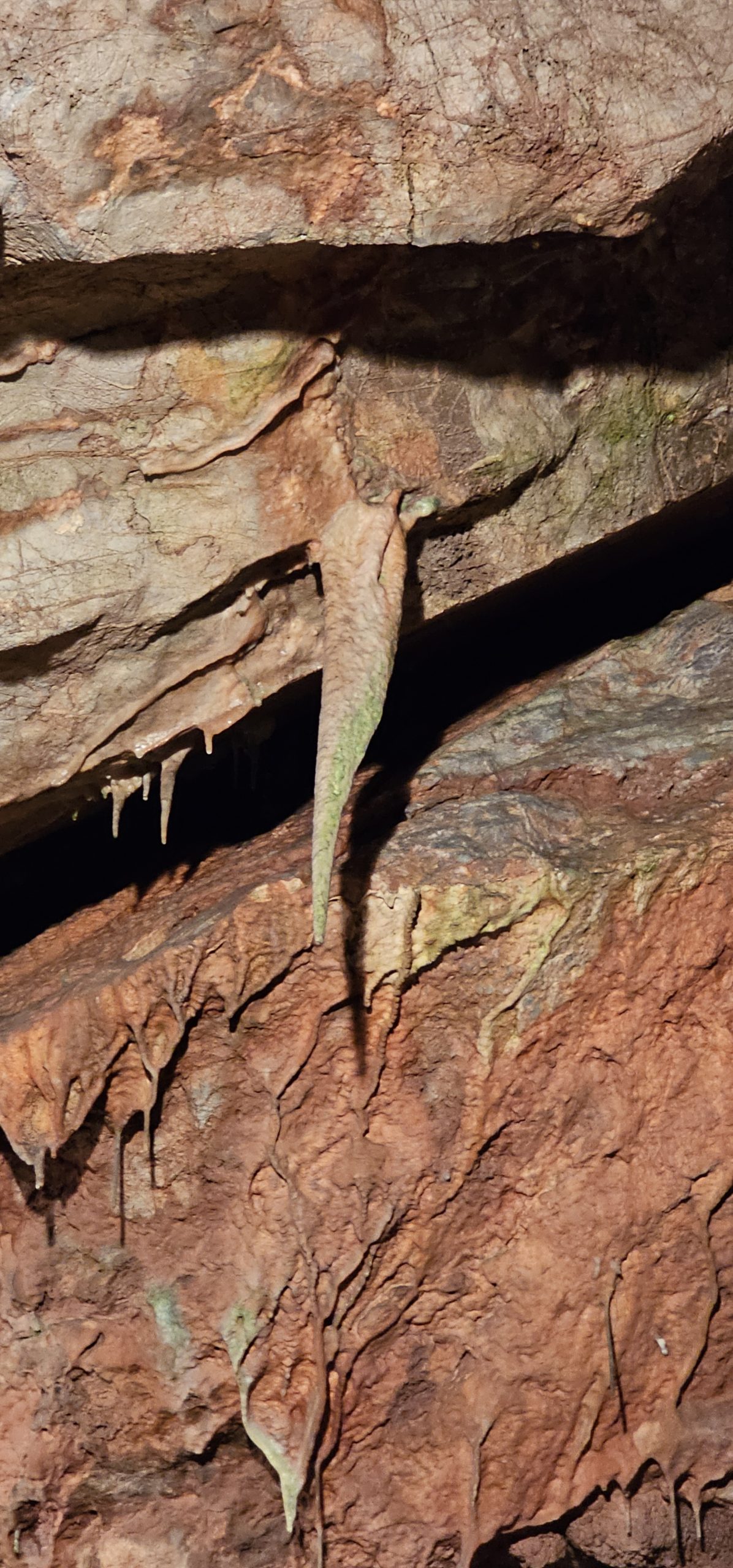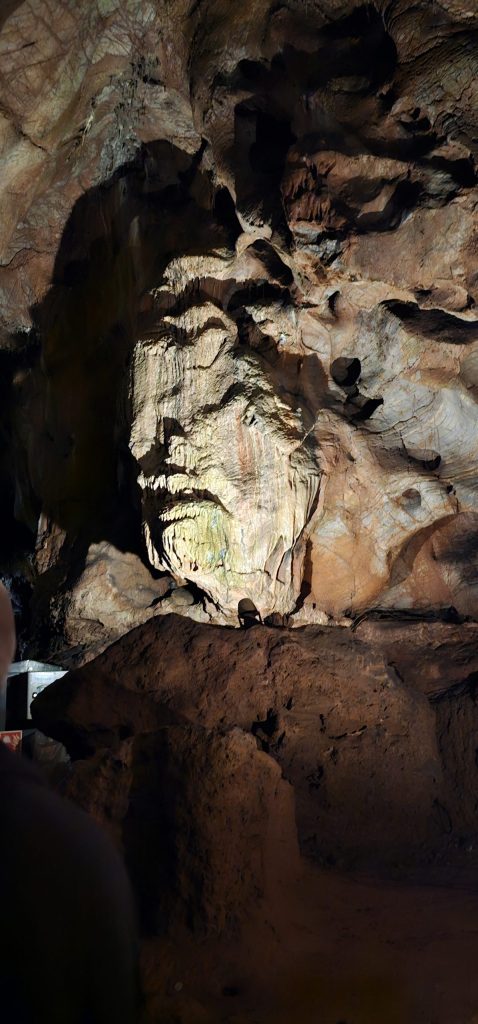

Kent’s Cavern, nestled in Torquay, Devon, stands as a glorious reminder of Britain’s prehistoric past. This remarkable cave system offers a unique window into human evolution and ancient ecosystems, making it one of Europe’s most significant prehistoric sites.
Check out this quick video
Geological Marvel
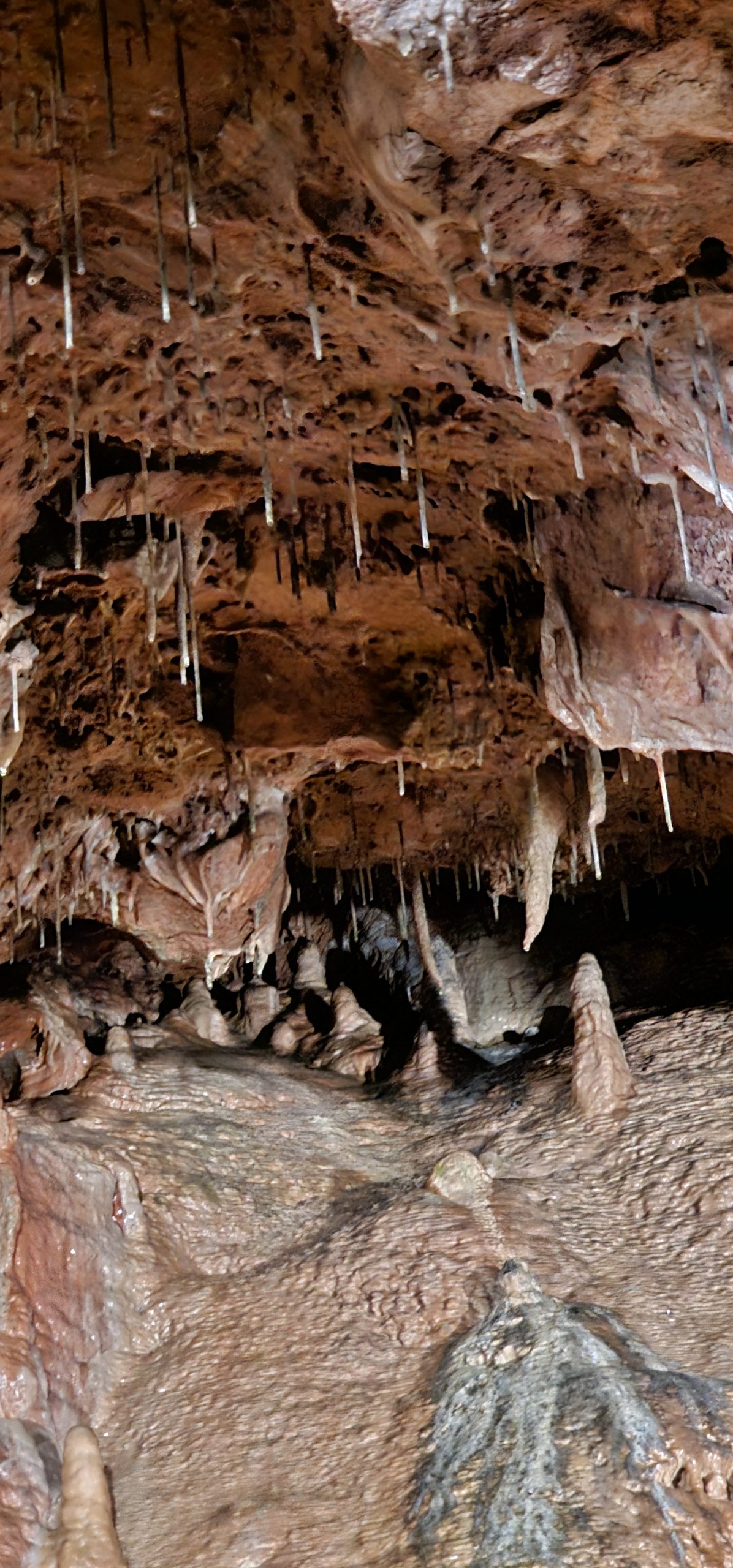
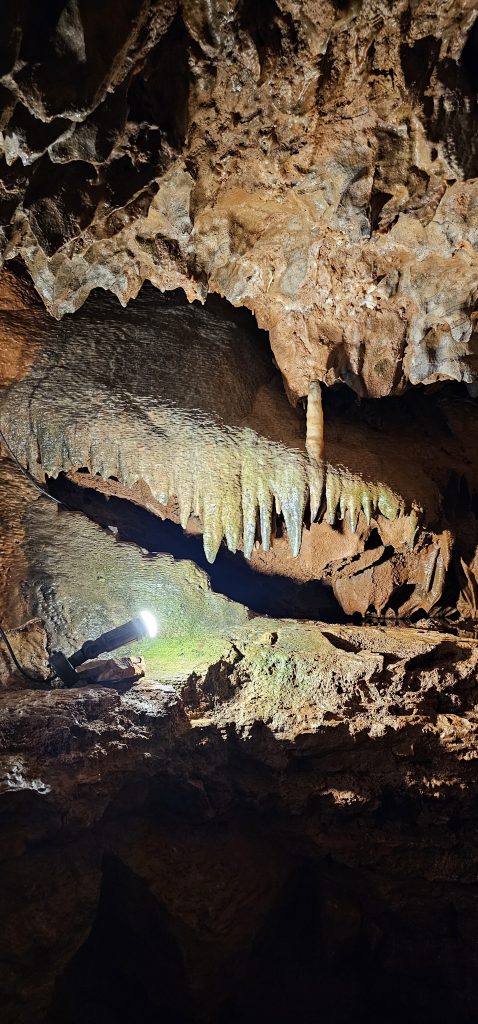
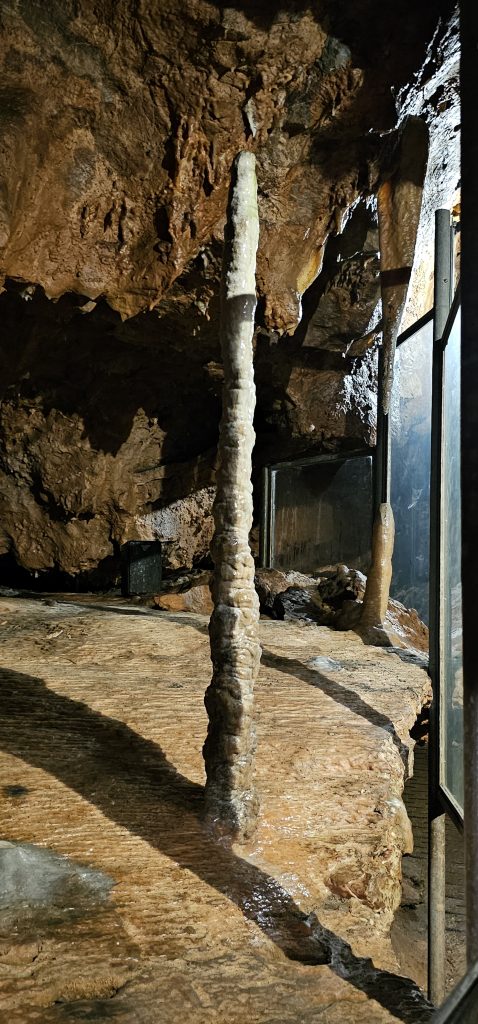
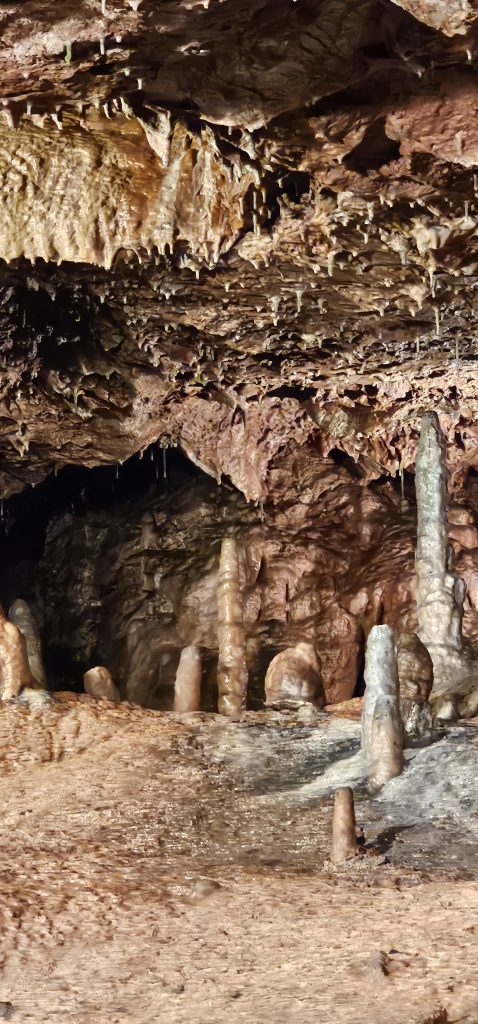
Formed over 2 million years ago, Kent’s Cavern is a an absolutely wonderful site to behold. The limestone, originally created from marine organisms some 300 million years ago, was slowly eroded by rainwater mixed with carbon dioxide, creating the intricate network of passages we see today. The cave’s stunning formations, including stalactites and stalagmites, continue to grow, adding to its geological significance.
Archaeological Treasure Trove
Kent’s Cavern has yielded some of the most important archaeological finds in British prehistory:
- Stone Tools: Artifacts dating back over 500,000 years have been discovered, indicating the presence of early human species like Homo heidelbergensis.

Stone tool found at Kent’s Caverns. Credit: 360onhistory.com - Animal Remains: The cave has preserved bones of extinct animals such as cave bears, woolly mammoths, and woolly rhinoceroses, painting a vivid picture of Ice Age Britain.
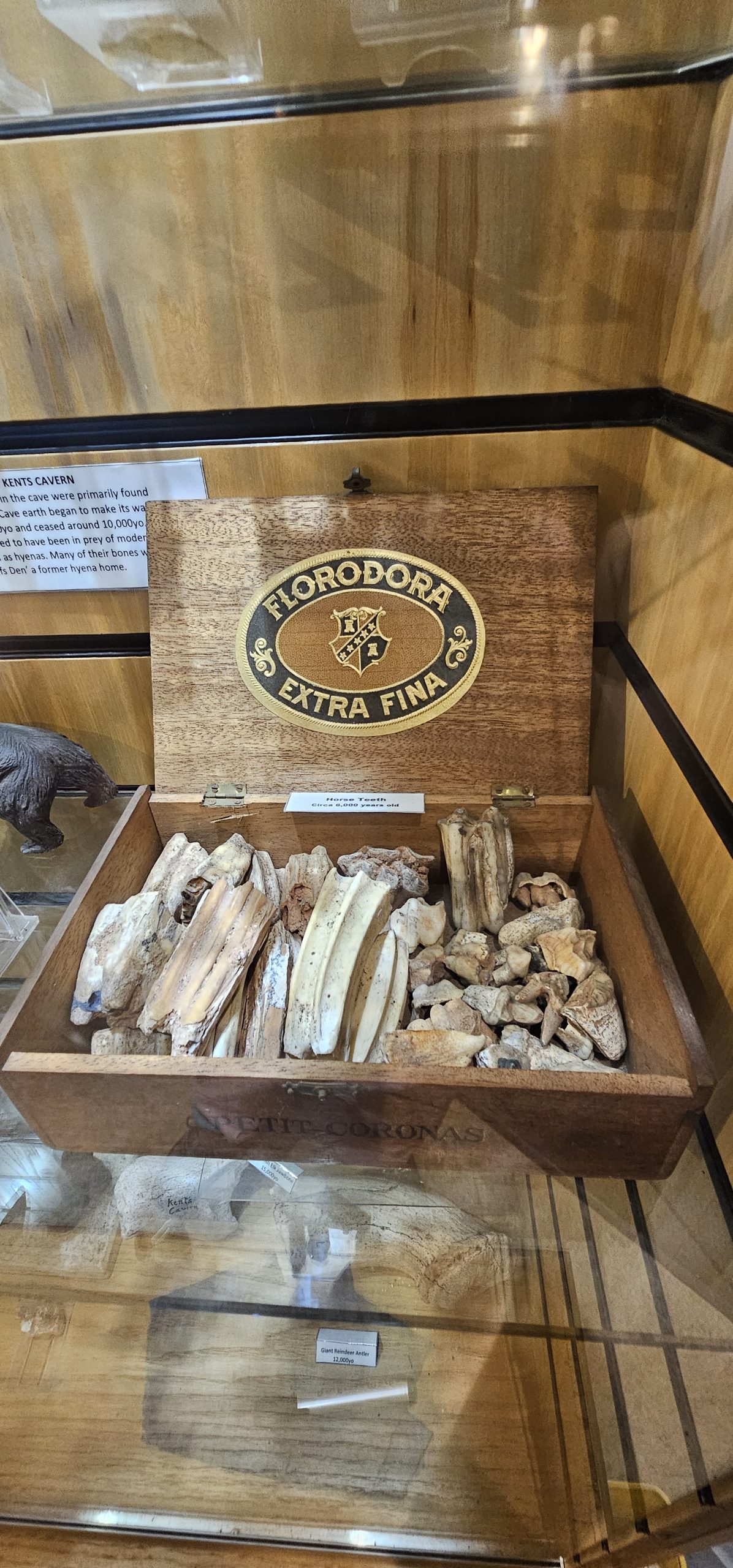
Animal bones found at Kent’s Caverns. Credit: 360onhistory.com 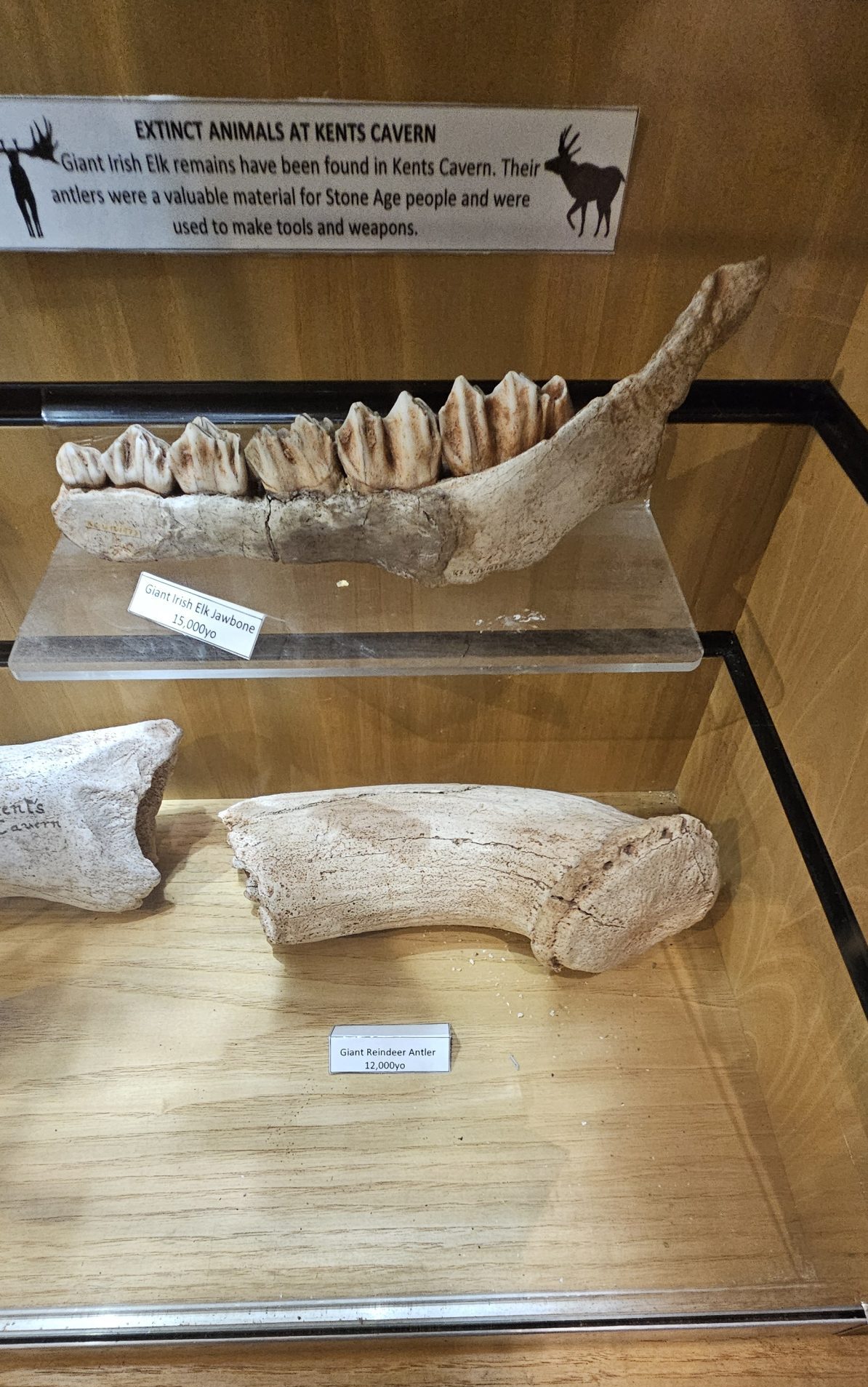
Animal bones found at Kent’s Caverns. Credit: 360onhistory.com - Human Fossils: Perhaps the most significant discovery is a fragment of a human jawbone, dated between 41,000 and 44,000 years old. This find represents the oldest modern human fossil in northwestern Europe.
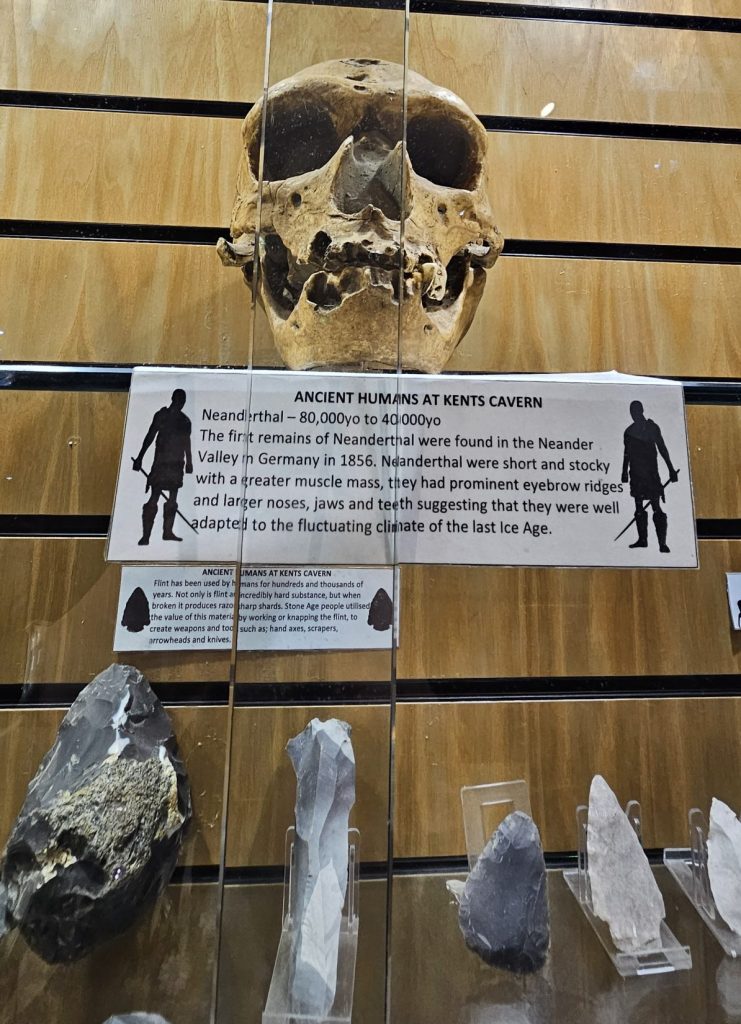
Ancient Human Remains Found at Kent’s Caverns. Credit: 360onhistory 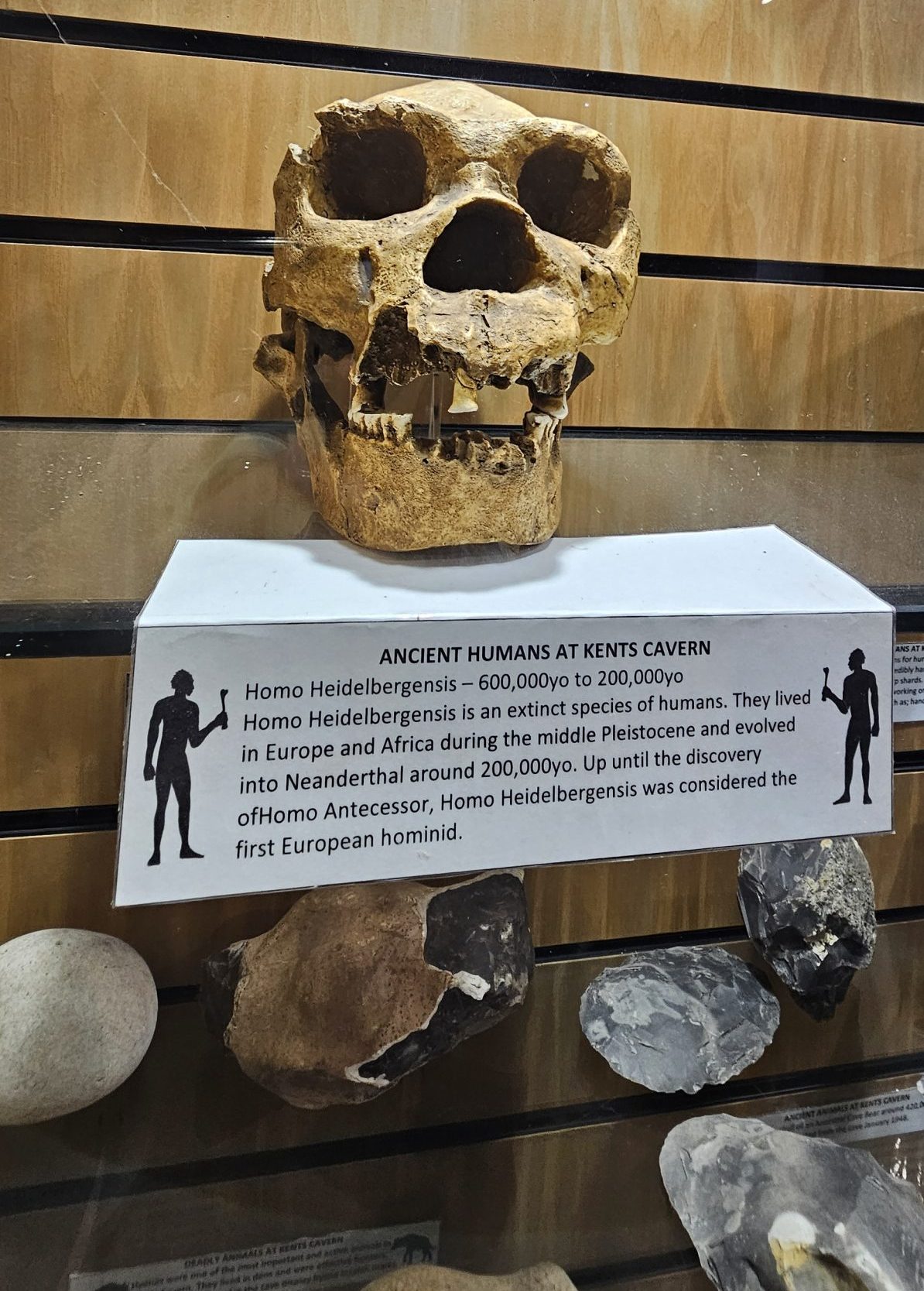
Ancient Human Remains Found at Kent’s Caverns. Credit: 360onhistory
Illuminating the Past
One of the most fascinating discoveries in Kent’s Cavern is evidence of ancient lighting techniques. Archaeologists have found shells filled with moss and animal fat, believed to have been used as primitive lamps by our ancestors. This ingenious method allowed early humans to navigate the dark caverns, shedding light on their resourcefulness and adaptability.

A Site of Multiple Human Occupations
Kent’s Cavern is unique in that it’s the only show cave in the world where remains of three different human species have been found:
- Homo heidelbergensis
- Neanderthals
- Homo sapiens
This makes the site crucial for understanding human evolution and migration patterns in prehistoric Europe.
From Prehistoric Shelter to Modern Attraction
Today, Kent’s Cavern welcomes thousands of visitors annually, offering guided tours that bring its rich history to life. As you walk through its ancient chambers, you’re treading the same ground as our distant ancestors did tens of thousands of years ago.Kent’s Cavern is more than just a cave – it’s a time capsule that continues to reveal secrets about our past. From the earliest human inhabitants to the extinct megafauna of the Ice Age, every discovery here adds another piece to the puzzle of human evolution and prehistoric life in Britain.