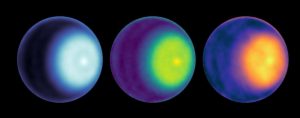
First Observation of a Polar Cyclone on Uranus
NASA scientists used microwave observations to spot the first polar cyclone on Uranus, seen in images as a light-colored dot to the right of center

NASA scientists used microwave observations to spot the first polar cyclone on Uranus, seen in images as a light-colored dot to the right of center
A new study published in Nature by an international team of researchers suggests that humans were living in different regions of Africa, migrating from one
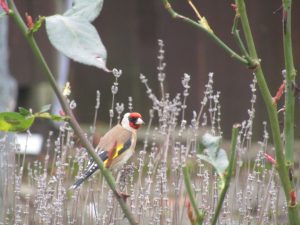
The number of wild birds in Britain has fallen by 73 million since 1970. Most of the declining species are farmland birds, where a mix
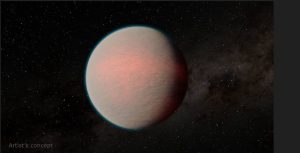
The James Webb Telescope Looks at a Mini Neptune, a class of planet common in the galaxy but about which little is known.
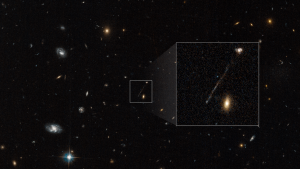
Hubble catches a runaway black hole that was ejected from its host galaxy after a tussle between it and two other black holes.
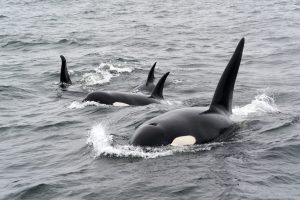
Why are Orcas (killer whales) attacking boats? This is happening off Europe’s Iberian coast & scientists think is because of one female who suffered trauma

A new study sheds new light on the prehistoric migration to the Americas suggesting that some of the first arrivals to the north and south
A potato shaped galaxy seen by telescopes. It is the M87, an elliptical galaxy and one of our neighbours, located 55 million light-years away.
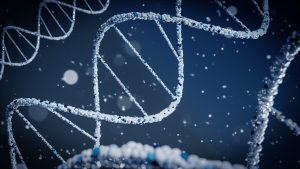
A groundbreaking library has been created that represents all of humanity and will ensure that no genetic variations are left out.
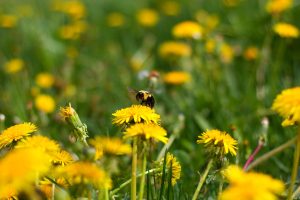
Why we should love dandelions, post on Nature and Bees on 360 on History. Dandelions are a lifeline for bees on the brink.
NASA scientists used microwave observations to spot the first polar cyclone on Uranus, seen in images as a light-colored dot to the right of center
A new study published in Nature by an international team of researchers suggests that humans were living in different regions of Africa, migrating from one
The number of wild birds in Britain has fallen by 73 million since 1970. Most of the declining species are farmland birds, where a mix
The James Webb Telescope Looks at a Mini Neptune, a class of planet common in the galaxy but about which little is known.
Hubble catches a runaway black hole that was ejected from its host galaxy after a tussle between it and two other black holes.
Why are Orcas (killer whales) attacking boats? This is happening off Europe’s Iberian coast & scientists think is because of one female who suffered trauma
A new study sheds new light on the prehistoric migration to the Americas suggesting that some of the first arrivals to the north and south
A potato shaped galaxy seen by telescopes. It is the M87, an elliptical galaxy and one of our neighbours, located 55 million light-years away.
A groundbreaking library has been created that represents all of humanity and will ensure that no genetic variations are left out.
Why we should love dandelions, post on Nature and Bees on 360 on History. Dandelions are a lifeline for bees on the brink.


![The bright white object at lower left is the asteroid Dimorphos. It has a blue dust tail extending diagonally to the upper right. A cluster of blue dots surrounds the asteroid. These are boulders that were knocked off the asteroid when, on 26 September 2022, NASA deliberately slammed the half-tonne DART impactor spacecraft into the asteroid as a test of what it would take to deflect some future asteroid from hitting Earth. Hubble photographed the slow-moving boulders in December 2022.] Credit: NASA, ESA, D. Jewitt (UCLA)](https://360onhistory.com/wp-content/uploads/2023/07/heic2307a-300x267.jpg)
Astronomers have discovered a swarm of boulders ejected from asteroid
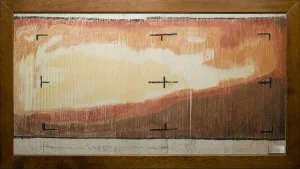
The first TV image of Mars, hand colored strip-by-strip, from
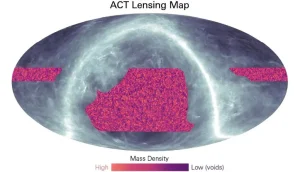
Researchers used the Atacama Cosmology Telescope to create a new
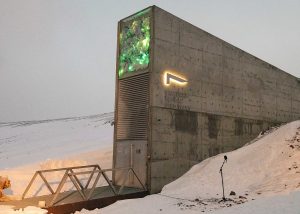
Podcast on The Doomsday Vault: A global Seed Vault that