A fossil site in Massachusetts has revealed a 320-million-year-old ecosystem, revealing a diverse ecosystem of early land-dwelling animals and plants from a time period that has been poorly understood.
A Groundbreaking Discovery: The Lantern North Fossil Site
An international team of researchers has made a remarkable discovery that promises to reshape our understanding of the Early Pennsylvanian period (320-318 million years ago). The newly unearthed fossil site, named Lantern North, is located in eastern North America within the Wamsutta Formation. This site presents a unique geological profile, distinct from other Pennsylvanian-era locations, as it was formed from fragmented older rocks.
Key Findings and Significance
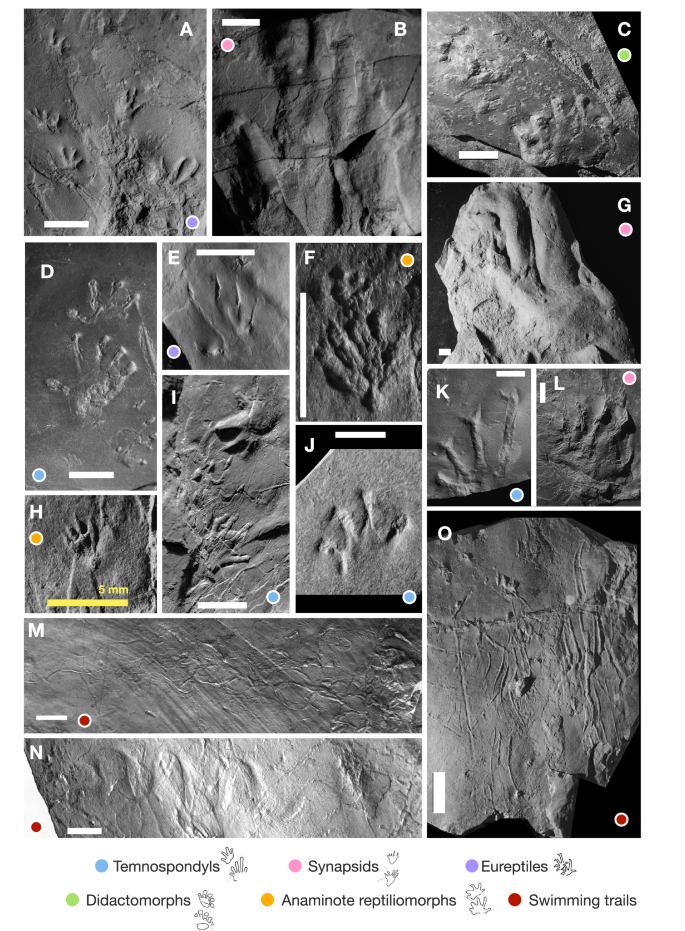
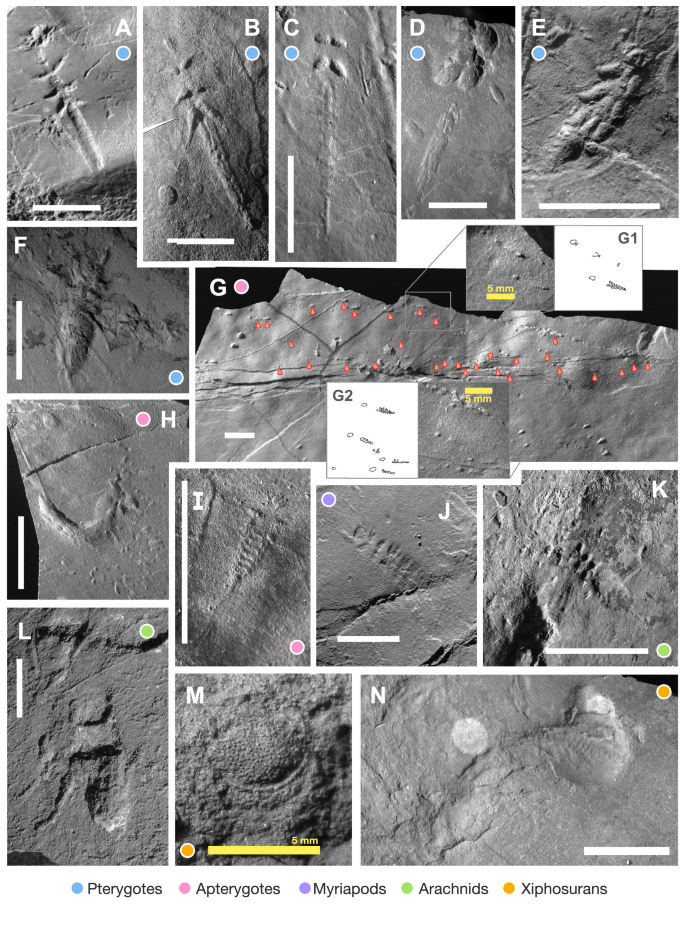
- Diverse Ecosystem: The site has revealed an entire preserved ecosystem containing over 100 different organisms, including 131 plant taxa and 83 unique types of plant foliage.
- Upland Environment: Unlike the swampy environments typically associated with this period, Lantern North represents a drier, upland habitat.
- Evolutionary Insights: The fossils provide crucial information about the daily lives of tetrapods, arthropods, and seed plants during a time of rapid terrestrial evolution.
- Earliest Evidence of Insect Behaviors:
- The site contains the oldest known evidence of insect oviposition, pushing back this behavior by at least 14 million years.
- It also reveals some of the earliest examples of insect gall formation.
- Plant-Insect Interactions: Lesions found on Cordaites trees (possible early conifers) indicate advanced plant-insect relationships.
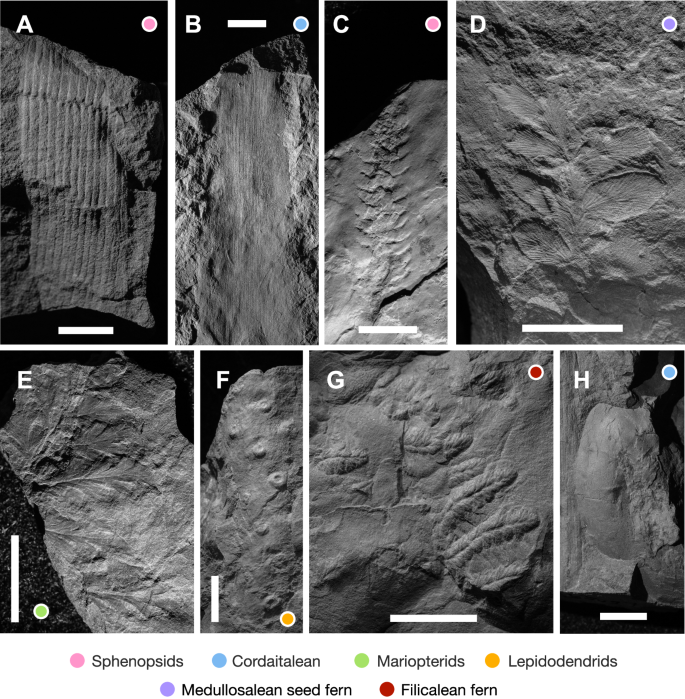
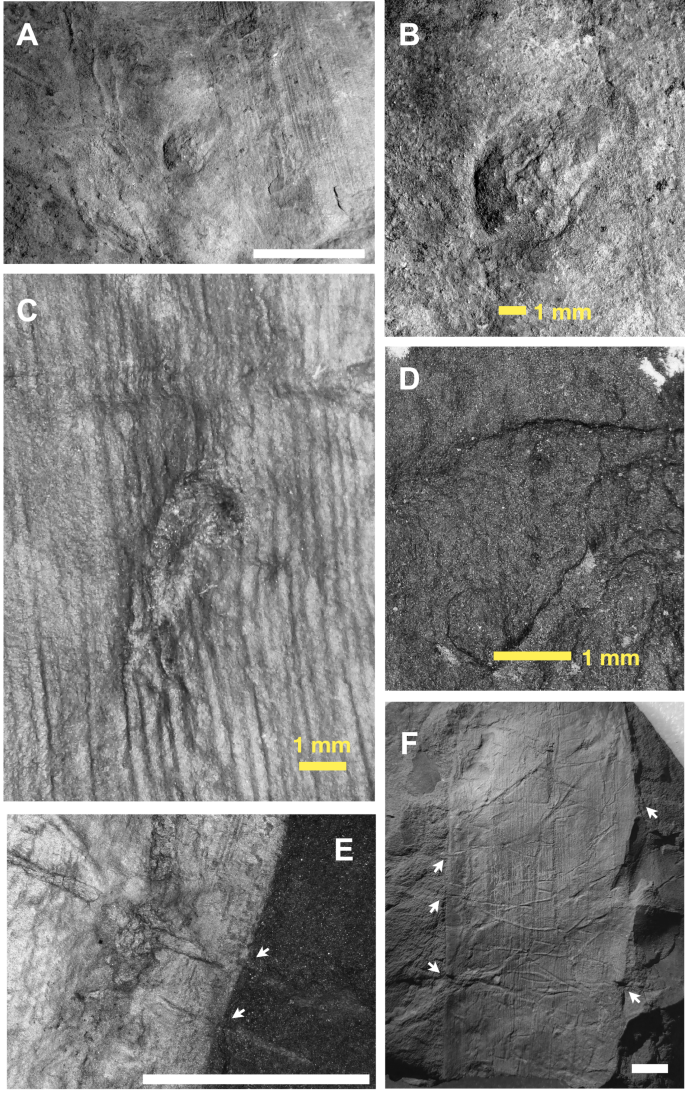
“The exceptional preservation of delicate impressions and traces allows us to reconstruct behaviors and ecology in ways not usually possible with body fossils alone,” says University of Tennessee paleoecologist Jacob Benner, who led the study along with Harvard University paleobiologist Richard Knecht.
“We can see how these early terrestrial communities functioned as integrated ecosystems.”
“The fossiliferous red shale facies may, therefore, represent deposition in shallow depressions near the base of a fan complex that hosted ephemeral or seasonal ponds and pools in which suspended sediment could settle after a flood,” the authors write.
Implications for Paleontology and Evolutionary Biology
This discovery fills a critical gap in our understanding of the Early Pennsylvanian period, offering a unique window into a time when terrestrial environments and their inhabitants were undergoing rapid changes. The Lantern North site not only provides new insights into the diversity of life during this period but also offers evidence of complex ecological interactions that were previously unknown for this time.
“We’re seeing evidence of complex plant-insect interactions and some of the earliest appearances of major animal groups that went on to dominate terrestrial habitats,” says Knecht.
“This site gives us an unprecedented look at a terrestrial ecosystem from a crucial time in the evolution of life on land.”