In 2014, the European Space Agency (ESA) successfully launched Rosetta to 67P/Churyumov-Gerasimenko and we all held our breaths as its lander Philae made its way to the comet. Philae did not last long but it sent back a lot of data and Rosetta continued orbiting the comet, ending its mission on 30 September 2016.
Now, ESA has announced another mission called the Comet Interceptor, which will aim to catch and study a comet approaching the Sun from the Oort cloud (from the outer reached of the Solar System). The Mullard Space Science Laboratory, University College London, UK will lead the scientific aspect of the mission.
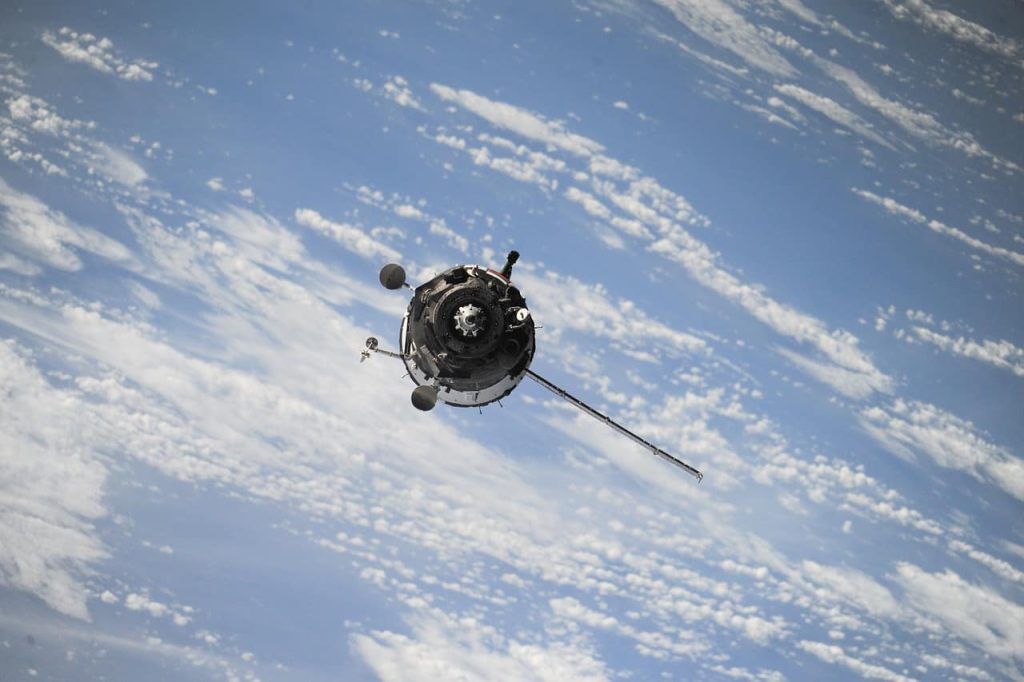
At the moment it is at the conceptual stage and entails a 3 in 1 probe, including a mothership and two smaller daughter craft, which will separate near the comet to conduct different but complementary studies, at the total cost of €150m.
A fascinating aspect is that the Interceptor is that it will be launched on the same rocket as Esa’s Ariel space telescope in the next decade or so. Ariel will be positioned about 1.5 million km from Earth and will study distant stars and their planets. At the same time it will also serve as a parking bay for any new mission. This is what the Interceptor will do, park itself by the Ariel telescope and wait for any comet to approach from the Oort cloud and fly by it when it does.
Image: Free-Photos from Pixabay