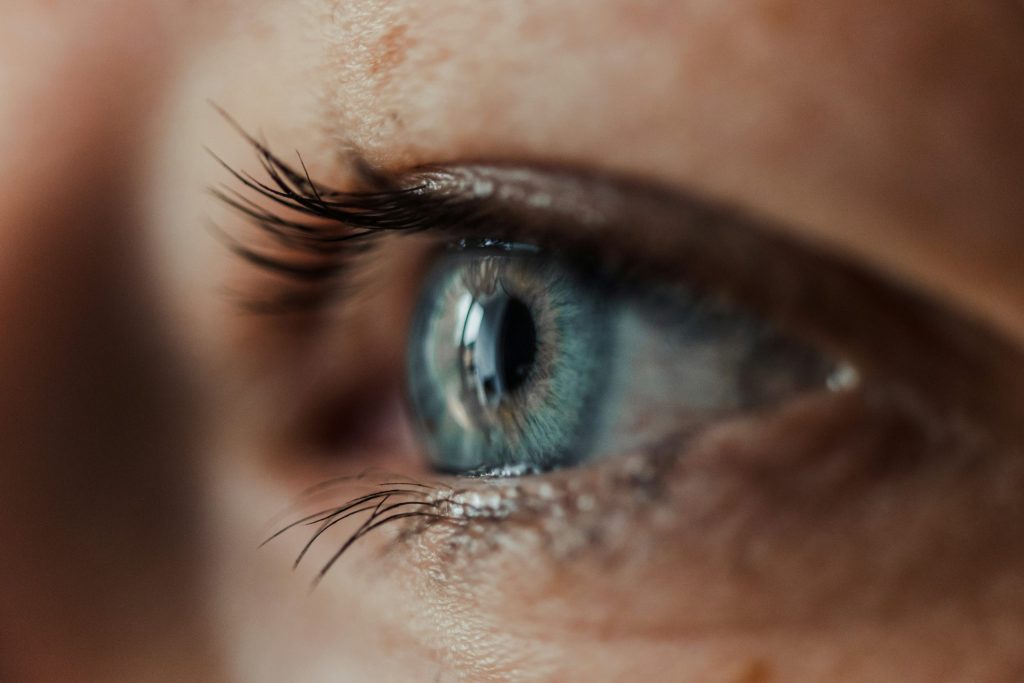
We might think that the human eye is the pinnacle of evolution but that is simply not the case. We see much less than many others in the animal world that can see beyond the visible spectrum, in infra-red or ultra-violet. We may even be seeing all the colours that some other animals can see. So, when an experiment takes place where it seems that the human eye was able to discern something new, that is always cool.
A groundbreaking devicce was used to allow five people to witness an intense green-blue colour never before seen by the human eye. This device could one day help people with certain types of colour blindness experience typical vision.
We know that we, the humans, perceive colour through three types of cone cells (S, M, and L cones) that reside in the retina at the back of the eye. These cones are sensitive to blue, green, and red light respectively. When we look at something in the blue-green range of the spectrum, two or more types of cones are usually activated simultaneously, due to overlapping sensitivity to light wavelengths.
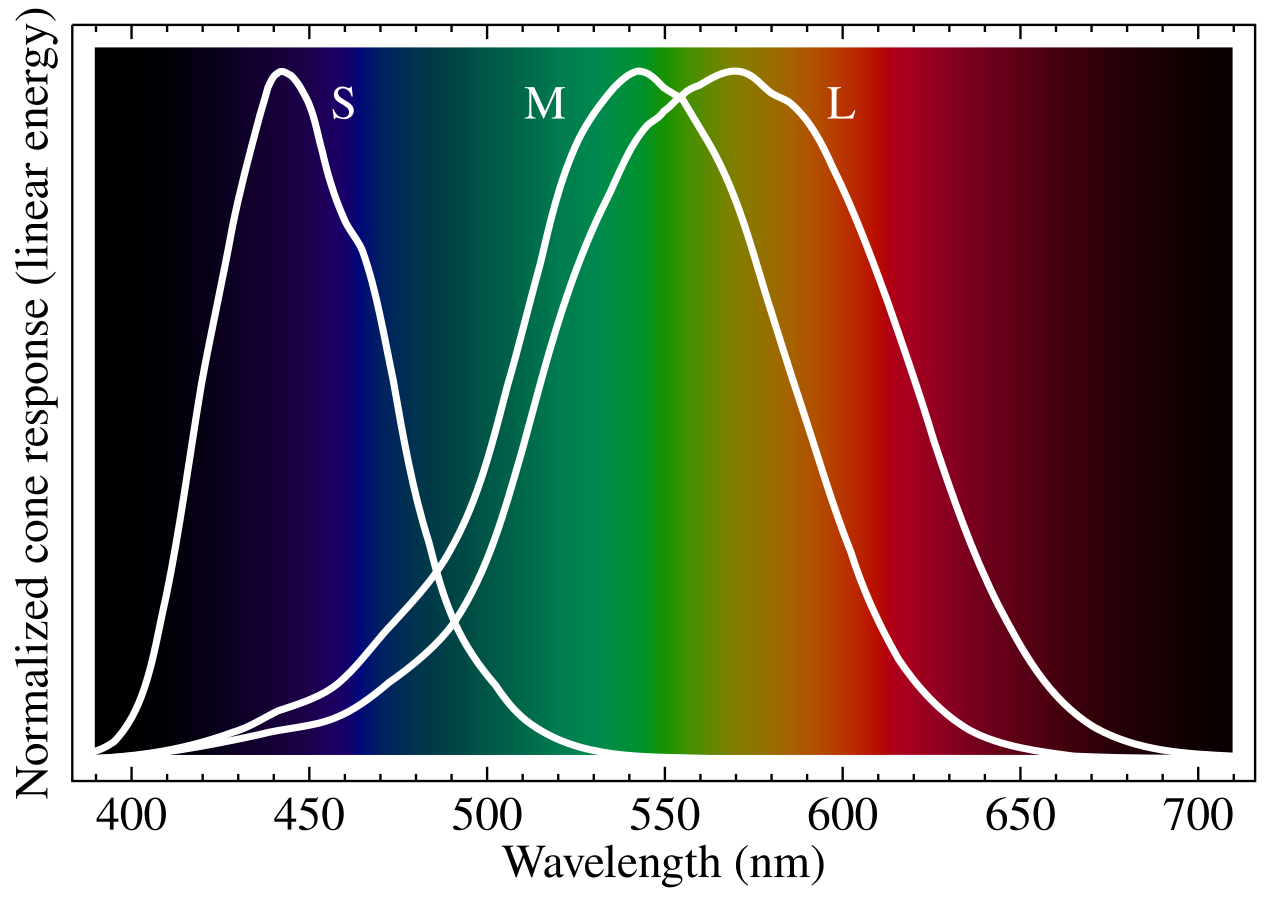
This simulateous activitation made Ren Ng at the University of California wonder what would happen if only one type of cone cell were stimulated in this part of the spectrum. His curiosity was sparked by a device called Oz, created by other researchers investigating how the eye processes light, which uses a laser to stimulate individual cone cells.
So, Ng and his team, as well as the developers of Oz, enhanced the device enabling it to deliver light to a small, focused patch of about 1000 cone cells in the retina. Stimulating a single cone does not produce a strong enough signal for colour perception, Ng explains, hence the need for this modification.
The researchers stimulated only the M cones in a small area of one eye, while keeping the other eye closed. And this is when things got interesting. The participants reported seeing a vivid blue-green colour, more intense than anything they had ever seen before. The researchers named this new colour experience olo. “It’s hard to describe; it’s very brilliant,” says Ng, who also experienced olo himself.
To confirm their observations, the participants completed a colour-matching task. They viewed olo alongside a second colour that they could adjust using a dial to match olo as closely as possible. All participants adjusted the dial to produce an intense teal, supporting their descriptions of olo‘s unique vibrancy.
Continuing further, participants added white light to either olo or vivid teal until the two shades matched even more closely. Each time, olo needed to be diluted, reinforcing that it was perceived as the more intense colour.
Andrew Stockman of University College London described the work as “kind of fun,” but also highlighted its potential medical applications. For instance, the device could eventually help those with red-green colour blindness, a condition often caused by both M and L cones being activated by very similar wavelengths of light. By selectively stimulating one cone type over the other, it might be possible to broaden the range of colours they can distinguish, though further clinical trials are necessary to explore this possibility, Stockman notes.
Journal reference: Science Advances DOI: 10.1126/sciadv.adu1052