
Podcast Episode 86 l Drastic Changes in Bird Evolution
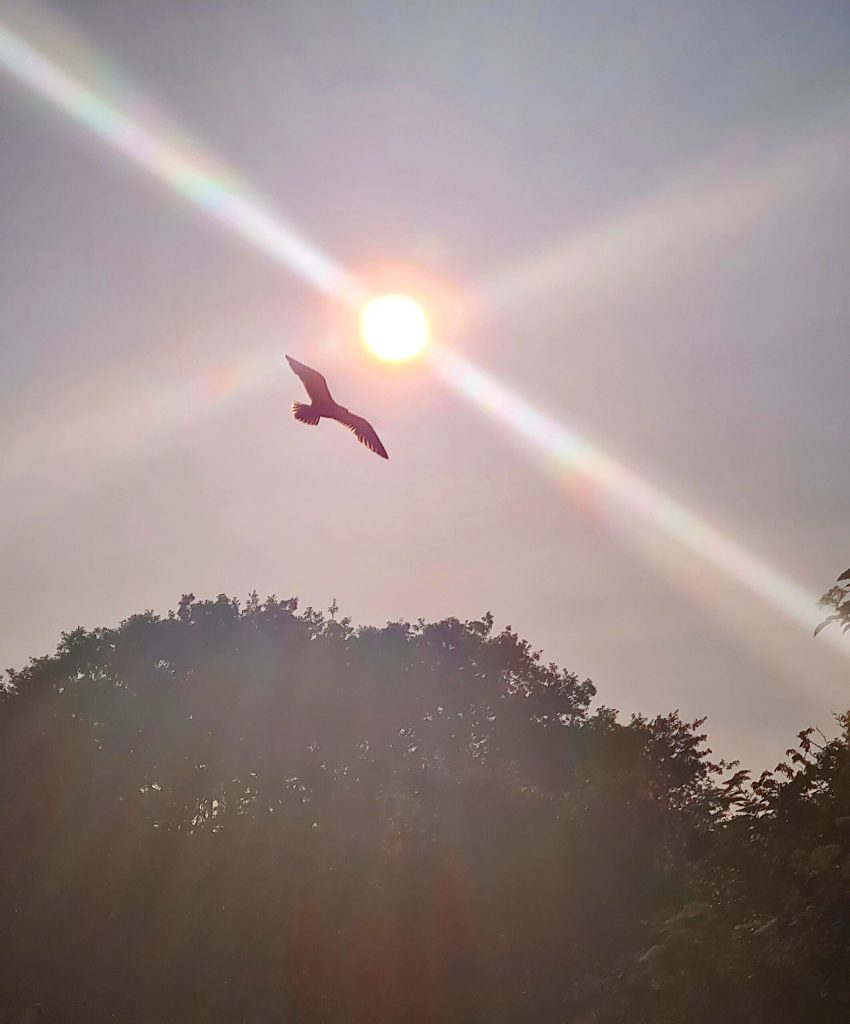
Recent advancements in genomic sequencing and analysis have started to unravel the intricate story of avian evolution. Two studies, published on April 1 in the journals Proceedings of the National Academy of Sciences (PNAS) and Nature, shed light on a genetic anomaly approximately 65 million years old (exactly when that asteroid hit) that has obscured scientists’ understanding of avian evolutionary history. Specifically, a section of one chromosome failed to undergo expected mixing with adjacent DNA, impeding the construction of a detailed bird family tree.
Indigenous Mexicans migrated to California 5,200 years ago bringing languages with them, according to DNA
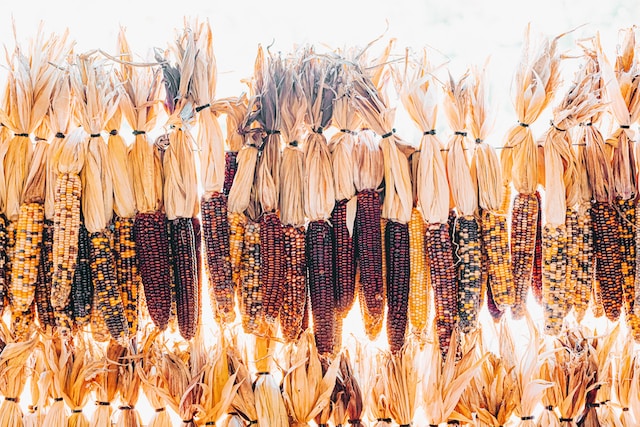
Indigenous Mexicans migrated to California 5,200 years ago, likely bringing their languages with them, according to ancient DNA.
Discovery of crocodile “virgin birth” is fascinating but is it good for conservation?

Nature is Fascinating: The Discovery of a crocodile giving “virgin birth” has fascinated scientists and shows that nature finds ways to survive and thrive. But is it also good for conservation?
Should we change wild animals’ behaviour to save them?
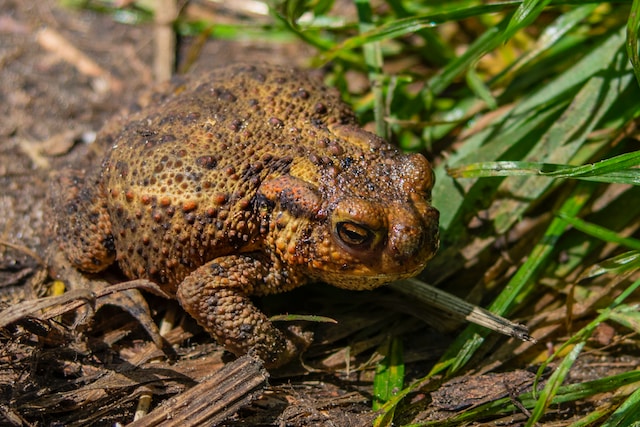
We see great value in conservation behavioral interventions, but also some challenges. We hope slowing down to consider the values at stake in conservation behavior interventions will help minimize harm and maximize benefits – to both humans and wildlife.
The study of evolution is fracturing – and that may be a good thing

The study of evolution is fracturing – and that may be a good thing. This debate could have a significant impact on the future of this scientific field.
Non-random Mutation Possible Suggests New Study on Human Evolution
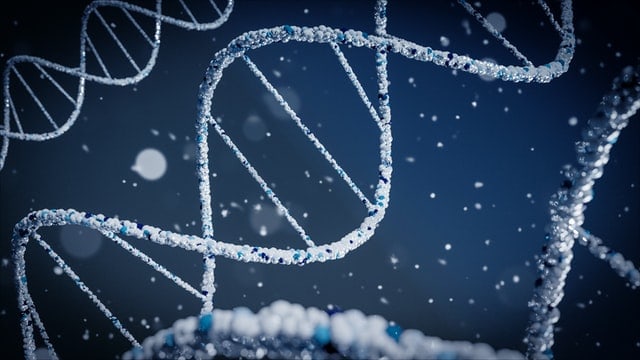
The HbS mutation originated de novo not only much faster than expected from random mutation, but also much faster in the population (in sub-Saharan Africans as opposed to Europeans) and in the gene.