
How Historical Satellite Images Are Used to Understand Environmental Change
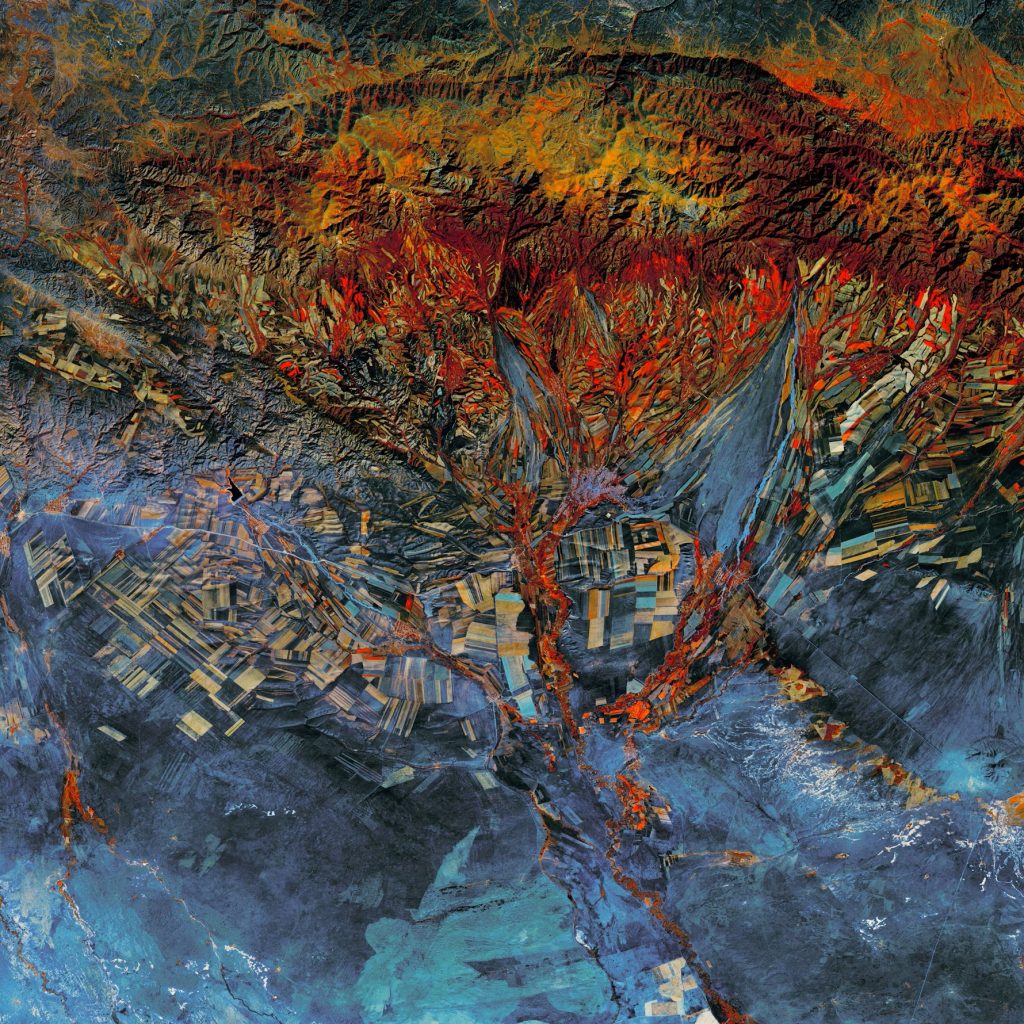
Historical satellite images are used to understand environmental change by using photographs of Earth’s surface from satellites over an extended period and comparing them over time.
Podcast Episode 95 l How many moons does the Earth have?
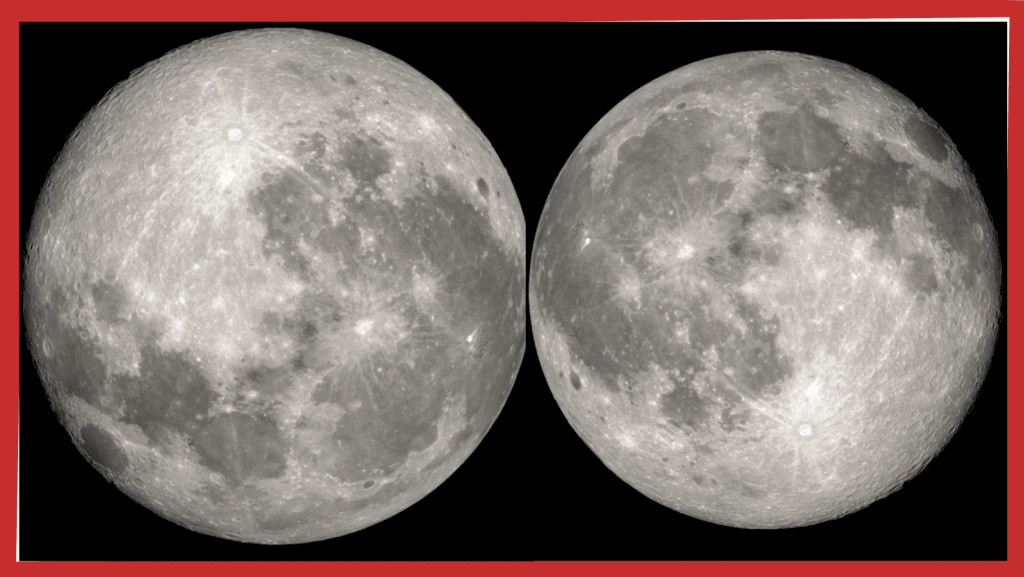
Technically, Earth has only one Moon. But here is the interesting thing. Over millions of years, the number of moons has varied. We talk about their story in this episode.
Does the Earth have more than one Moon?

We wonder if the Earth has more than one Moon in this new 360 on History blog post discussing the number of satellites that have orbited our planet & considered “moons”.
Podcast Episode 84 l When it rained for two million years: Carnian Pluvial Event

Podcast Episode 84 is on When it rained for two million years, known as the Carnian Pluvial Event
The Carnian Pluvial Event
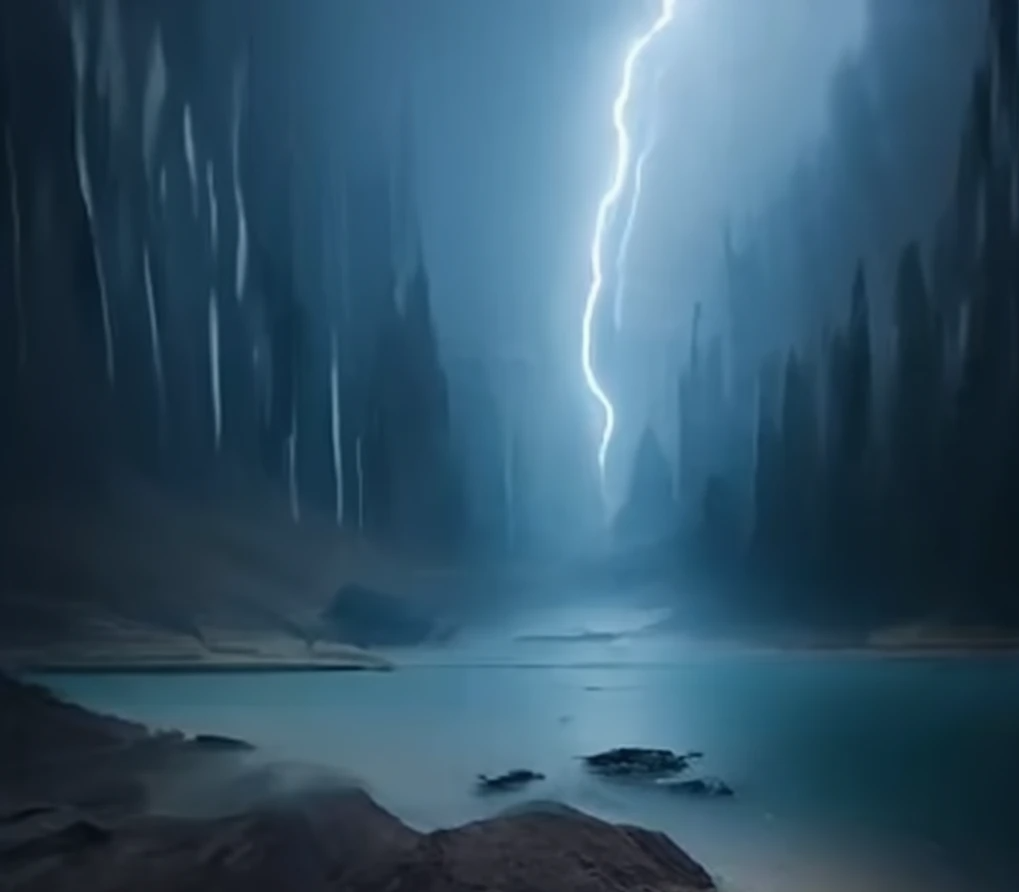
The Carnian Pluvial Event – A 2-Million-Year Period of Rain that Shaped Earth’s History and may have facilitated the rise of the dinosaurs.
New Fossil Whale Challenges Record as Heaviest Animal in History

Scientists have unveiled a new species of early whale that could potentially hold the title as the heaviest animal to have ever lived. Found in Peru, the fossils of this ancient cetacean, named Perucetus colossus, are rewriting the history of whale evolution.
Earth’s population could start falling after 2050

Earth’s population could start falling after 2050 according to a new report that says that it will peak at 9 billion. Equal distribution of resources is key for people to escape extreme poverty.
An ancient ocean floor is wrapped around the Earth’s core

The geology of Earth’s Southern Hemisphere has bee mapped in extremely high-resolution by scientists. It reveals a previously undiscovered ancient ocean floor 2,900 km (1,800 miles) below the surface, at the Core Mantle Boundary (CMB), that may wrap around the core. Seismic waves from earthquakes in the southern hemisphere were used to sample the structure […]
Video Episode 21 | Earth’s Mass Extinctions
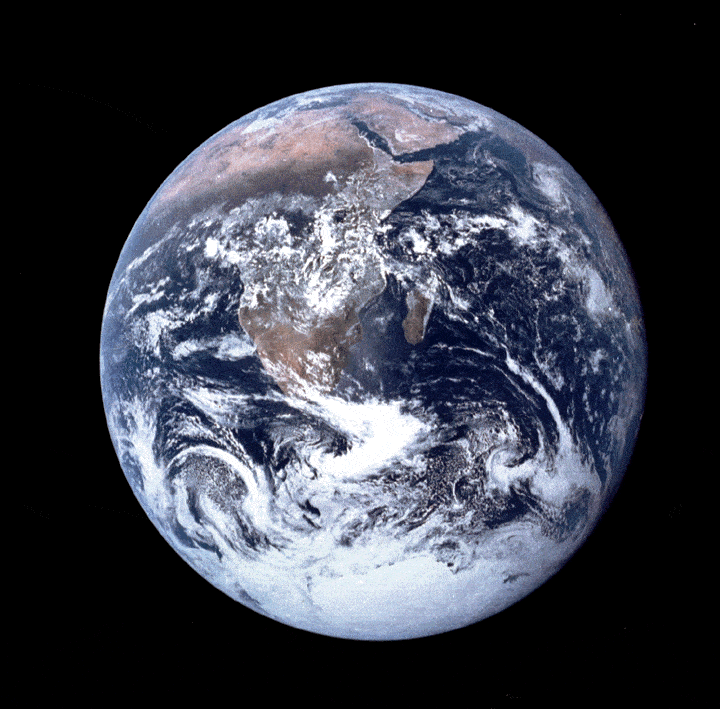
Earth’s mass extinctions were Ordovician, Devonian, Permian, Triassic & Cretaceous which killed the dinosaurs. Now we are on to the 6th one called the Holocene.
Our planet just just had its shortest day
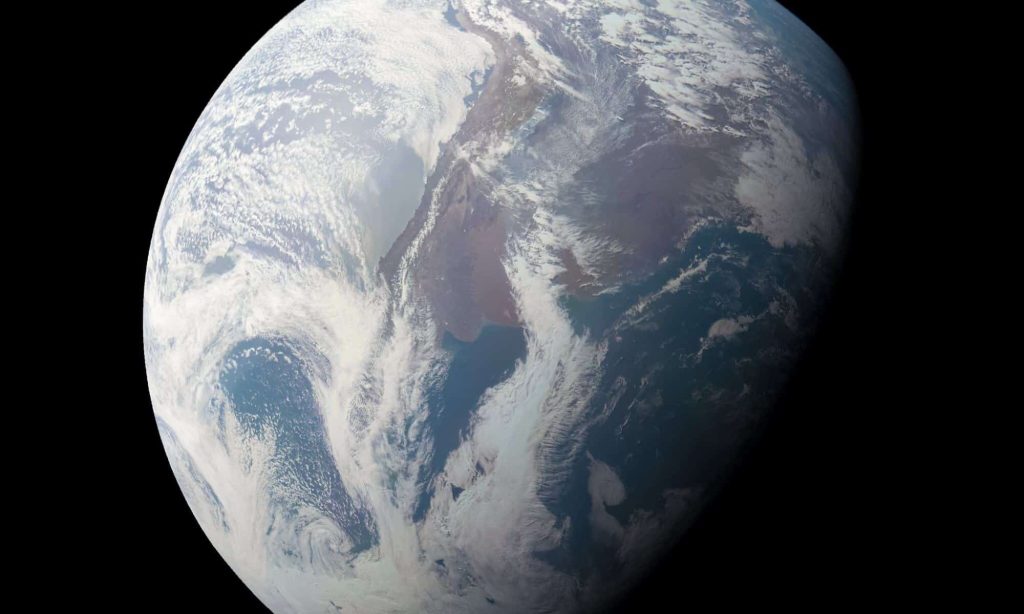
Our planet just just had its shortest day. It was in June 2022 and was the shortest since accurate daily measurements using atomic clocks began in the 1960s.