
James Webb Telescope Spots Swirling, Gritty Clouds on Exoplanet
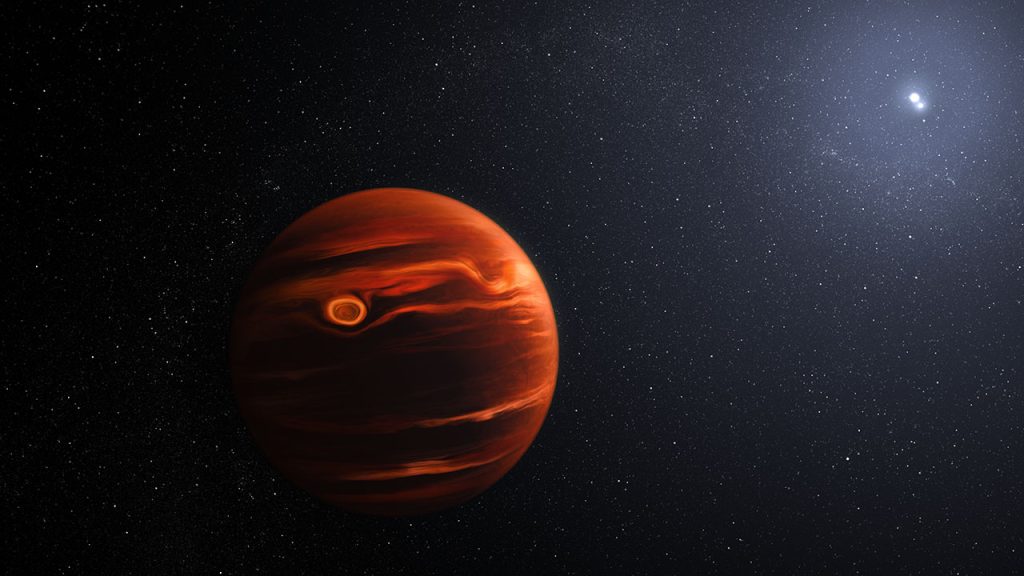
Researchers observing with NASA’s James Webb Space Telescope have pinpointed silicate cloud features in a distant planet’s atmosphere. The team also made extraordinarily clear detections of water, methane, and carbon monoxide with Webb’s data, and found evidence of carbon dioxide. This is the largest number of molecules ever identified all at once on a planet outside our solar system.
Meet Saturn’s Spongy Moon Hyperion
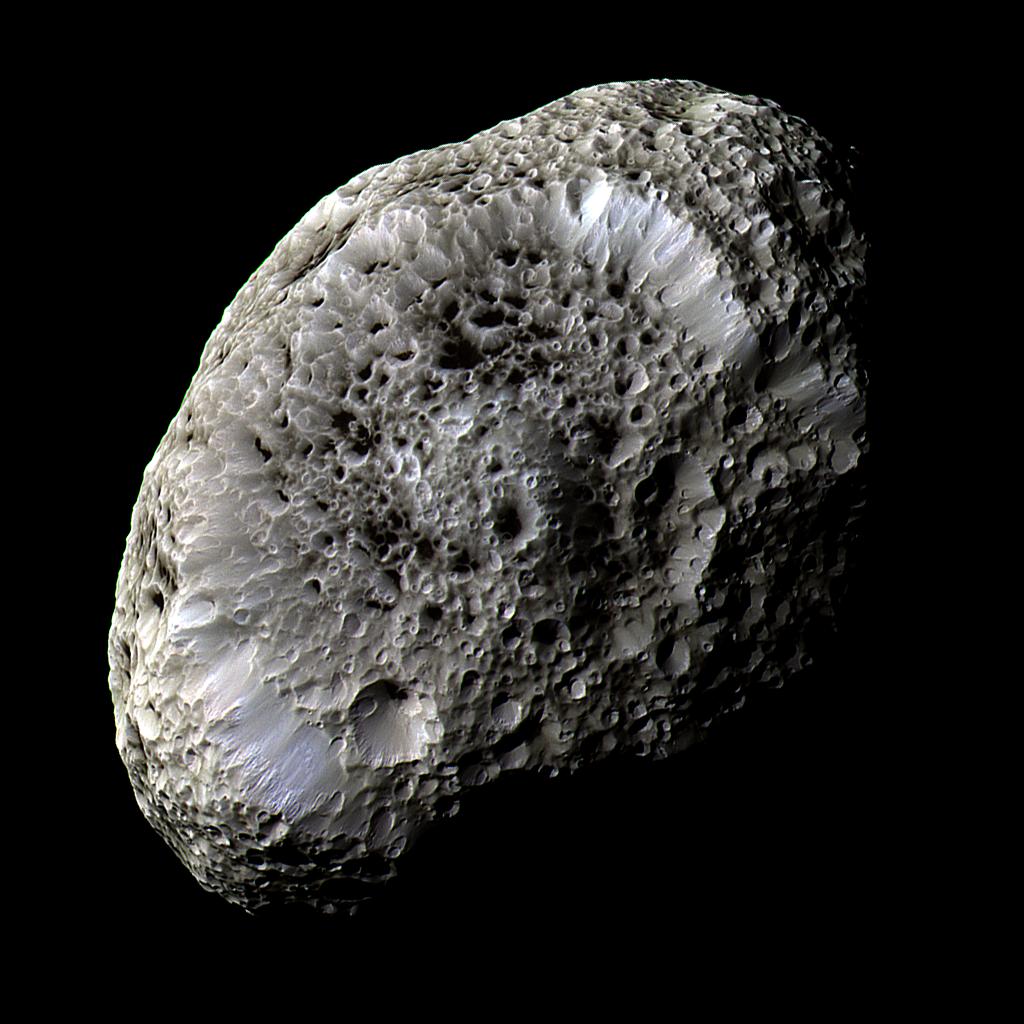
Meet Saturn’s Spongy Moon Hyperion, discovered in 1848 by William Lassell. It is the largest of Saturn’s irregular, nonspherical moons.
Is there another planet in our solar system?

Is there another planet in our solar system? New science post on 360 On History about the possibility of a ninth planet that we are yet to discover.
12 years of far away exoplanets orbiting their star – Time Lapse Video

12 years of far away exoplanets orbiting their star – Time Lapse Video of 4 jupiter sized planets circling their star. The system is HR8799.
Neptune in a new light – James Webb Space Telescope
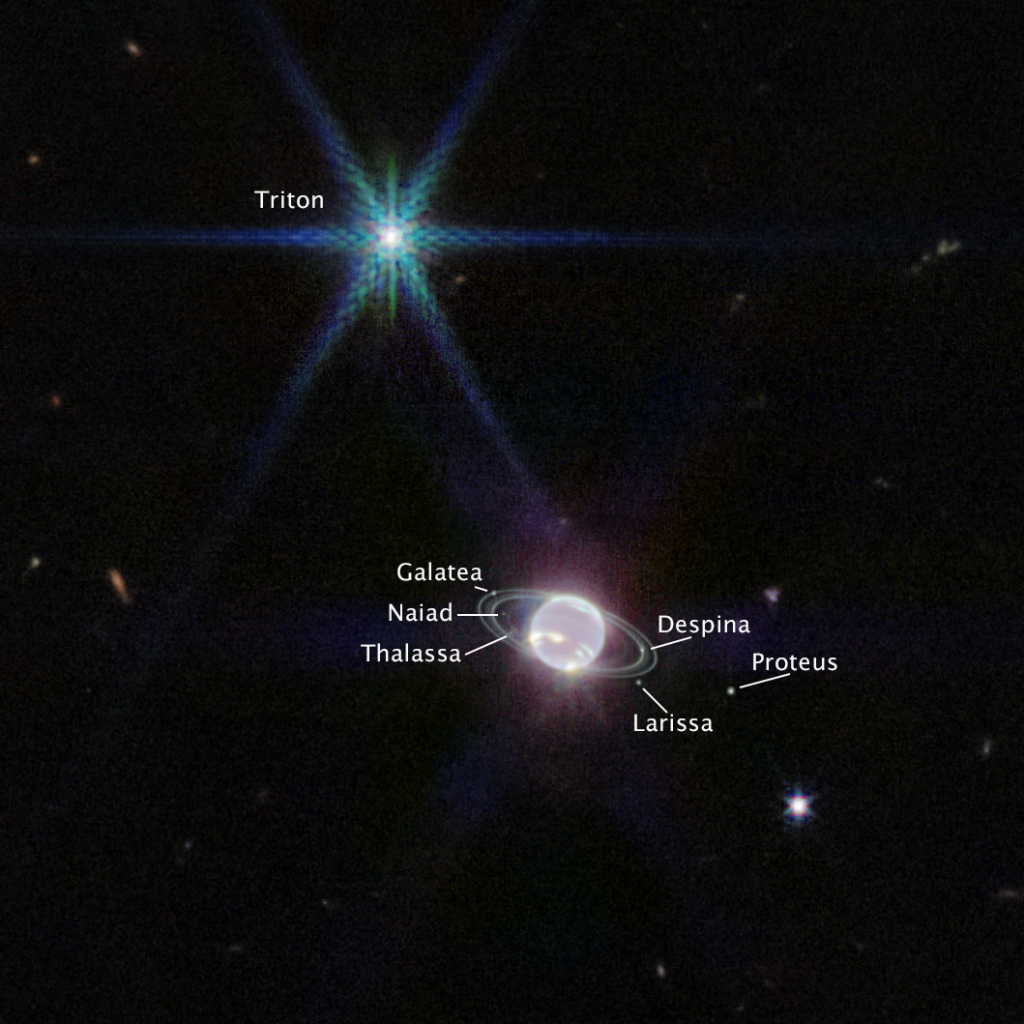
NASA’s James Webb Telescope captured this latest image of Neptune in near infrared on September 21, 2022. It is the clearest view of the ice giant in 30 years and provides a view of Neptune’s rings, some of which have not been detected since NASA’s Voyager 2 became the first spacecraft to observe Neptune during its flyby in 1989.
Ingenuity Mars Helicopter’s Record Breaking Flight

This video imagery was acquired by the navigation camera aboard NASA’s Ingenuity Mars Helicopter during its 25th flight on April 8, 2022. Covering a distance of 2,310 feet (704 meters) and at a speed of 12 mph (5.5 meters per second), it was the Red Planet rotorcraft’s longest and fastest flight to date.
Venus – Earth’s Evil Twin has New Images
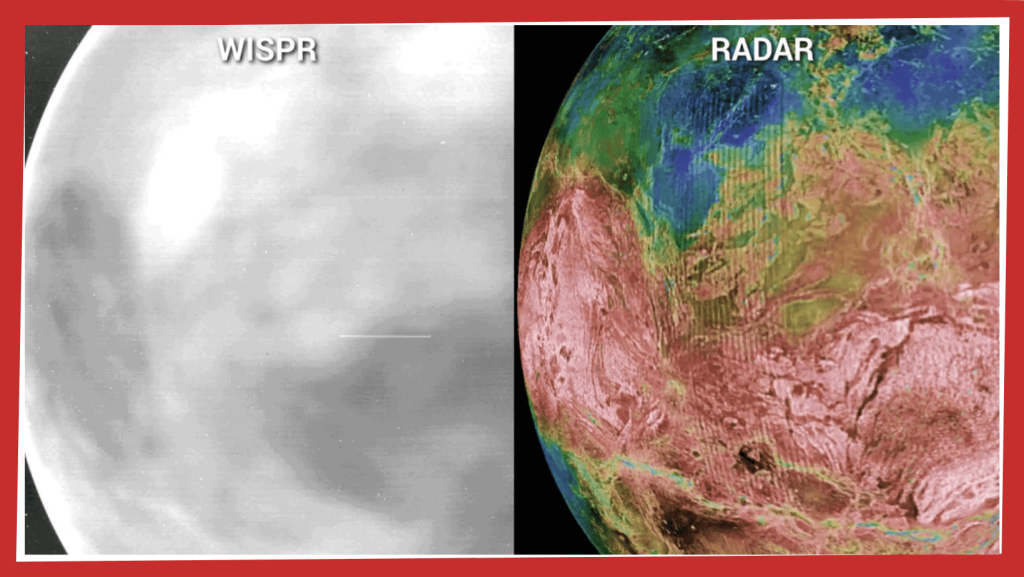
Venus is known as Earth’s Evil Twin and it has New Images taken by NASA’s Parker Solar Probe as it flew by the planet. Venus is inhospitable for life as we know it but Phosphine, possible indicator of microbial life, has been found high in its clouds.
ESO’s Very Large Telescope images planet around most massive star pair to date

ESO’s Very Large Telescope images a planet around most massive star pair to date. The b Centauri star system is 6 times the mass of the Sun.
Hubble finds long term presence of water vapour on Jupiter’s moon Europa
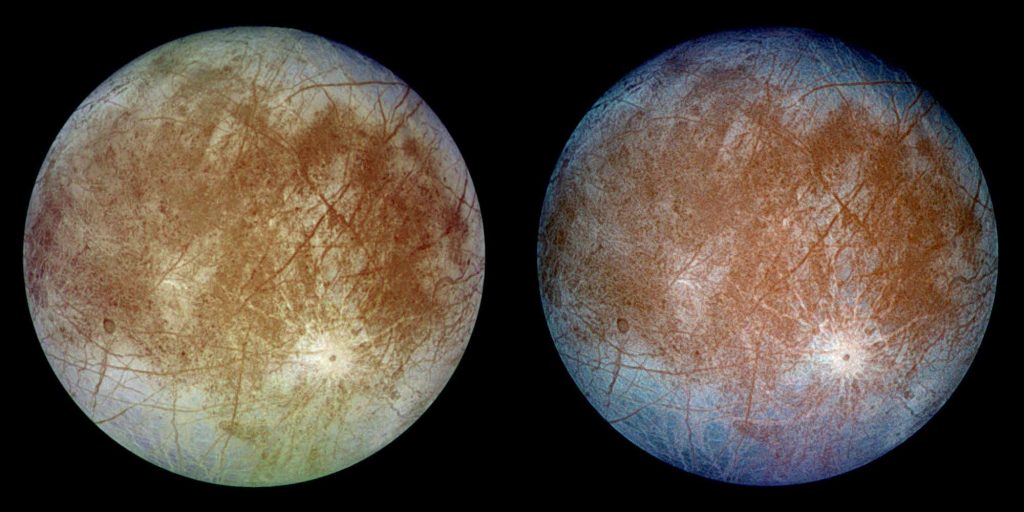
The Hubble Space Telescope has found long term presence of water vapour on Jupiter’s moon Europa, which also has an ocean under its icy surface.
A Planet in another Galaxy
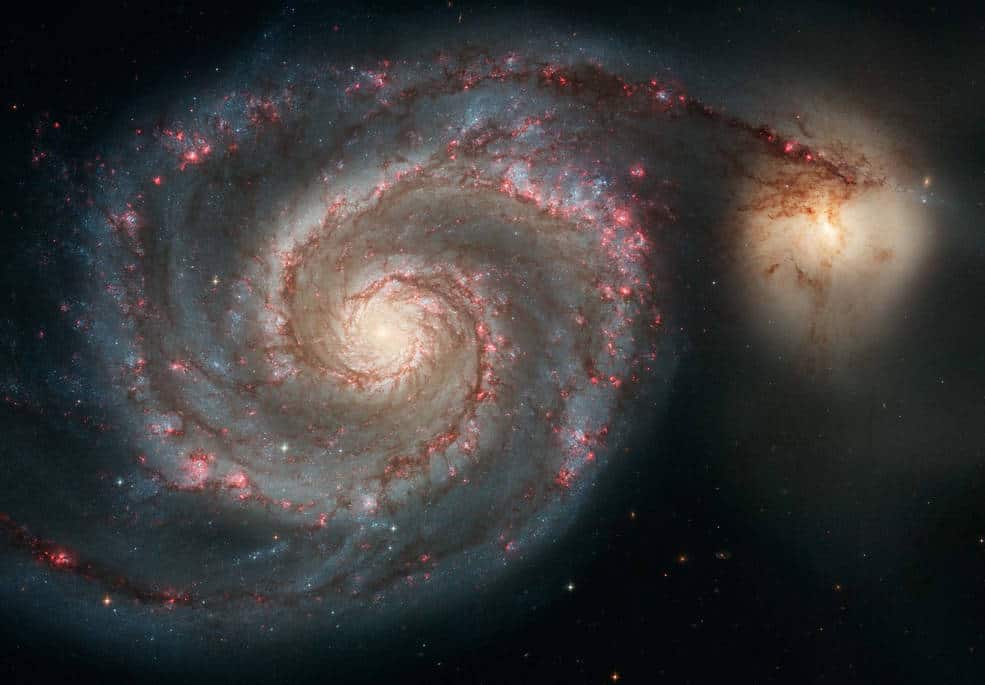
A Planet has been found in Galaxy M51 also known as the Whirlpool Galaxy. This is the first time such a planet has been found outside the Milky Way.