
Podcast Episode 116 l Saturn’s Irregular Moon, Phoebe
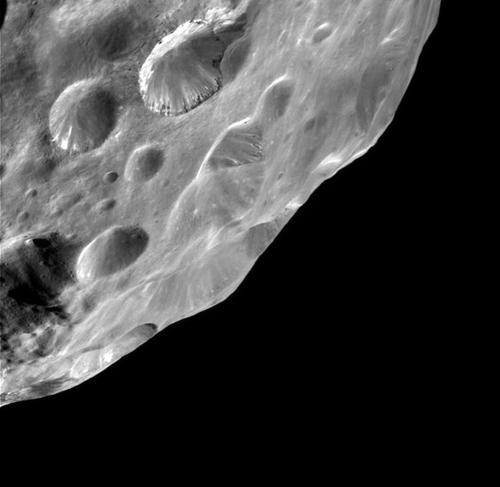
Phoebe, Saturn’s largest irregular moon, was discovered in 1899. Orbiting in the opposite direction of Saturn’s rotation, Phoebe is believed to be a captured icy body from the Kuiper Belt. Cassini’s 2004 flyby revealed its dark surface and icy layers. Phoebe also contributes to Saturn’s Phoebe Ring and Iapetus’ two-tone appearance.
Podcast Episode 115 l Women Led Societies and Origin of Indo European Languages
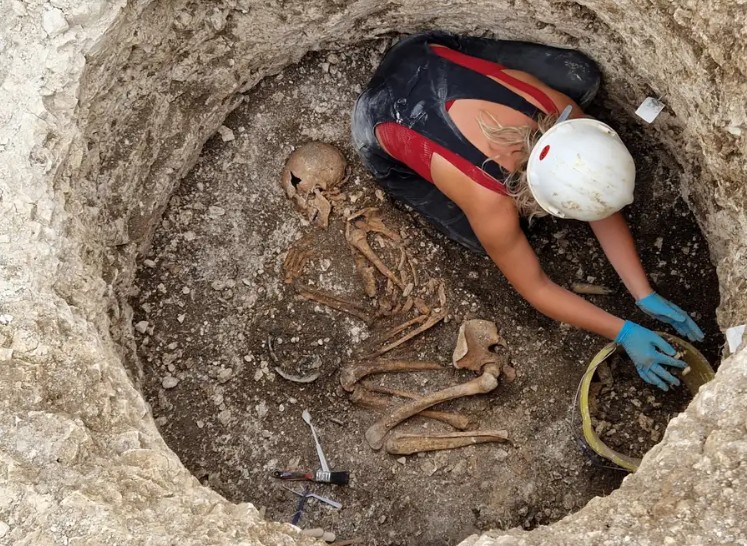
A two part podcast episode on Women Led Societies in Britain and Origin of Indo European Languages, which are the fore-runners of most known in the world.
Podcast Episode 114 l First Ever Witch Burned in UK Trials
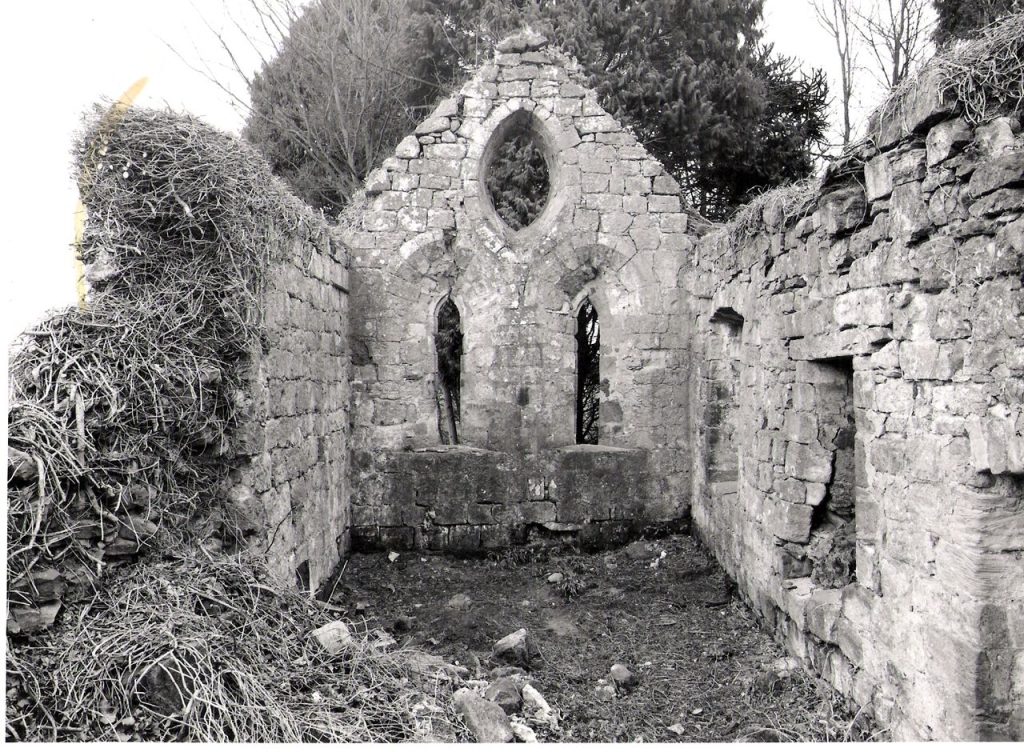
Agnes Sampson was a Scottish woman accused of witchcraft during the infamous North Berwick witch trials in the late 16th century. Known as the “Wise Woman of Keith,” she was a healer and midwife, which made her a target for suspicion. In 1591, Sampson was arrested, tortured, and ultimately confessed to practicing witchcraft, including allegedly attempting to murder King James VI through sorcery.
Podcast Episode 112 I Artemisia Gentileschi l Exceptional Baroque Artist

Artemisia Gentileschi was was one of the most accomplished and influential artists of the Baroque period (Baroque painting often dramatizes scenes using chiaroscuro light effects). Despite facing numerous challenges in a male-dominated society, she managed to carve out a successful career and leave an indelible mark on the art world.
Podcast Episode 111 l Tattoos on Mummies & Building Block of Life From Space
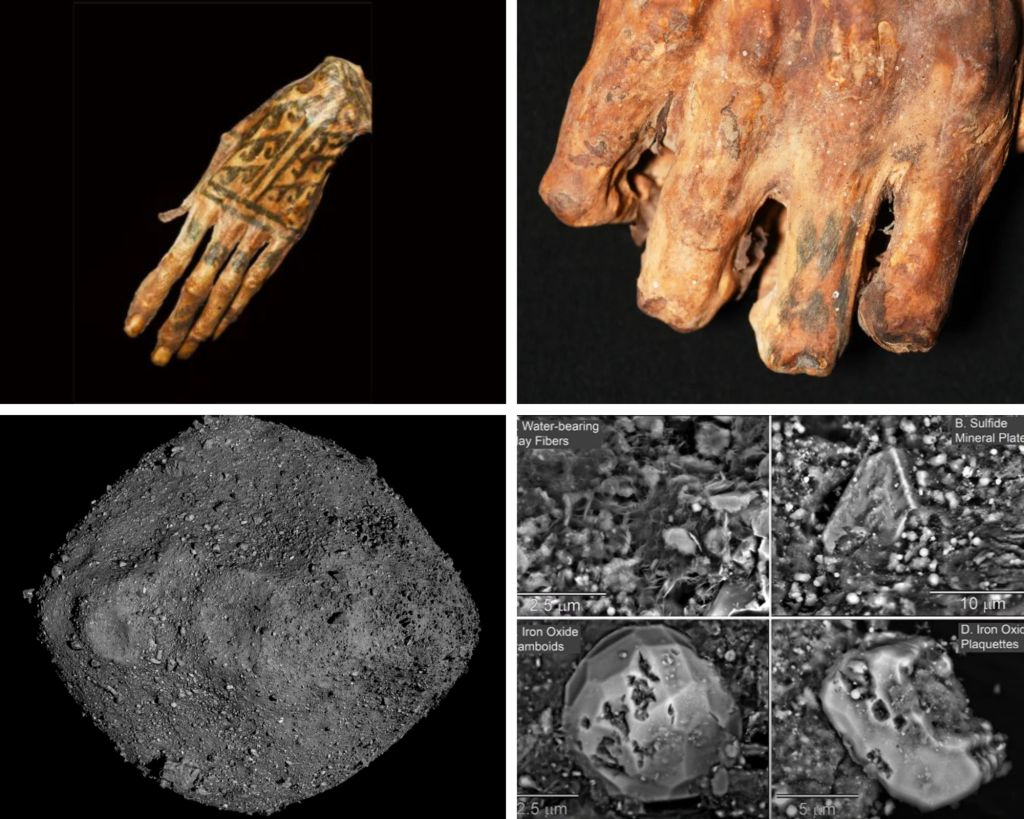
We’ve got two fascinating stories—one from deep space and the other from deep within history. firts about building blocks of life found in soil samples from asteroid Bennu. The next item is about scientists using lasers to reveal tattoos on mummies from the Chancay culture that existed on the Peruvian coast between roughly 900 and 1500 C.E.
Podcast Episode 109 l An Old Fort in Pakistan I Kot Diji
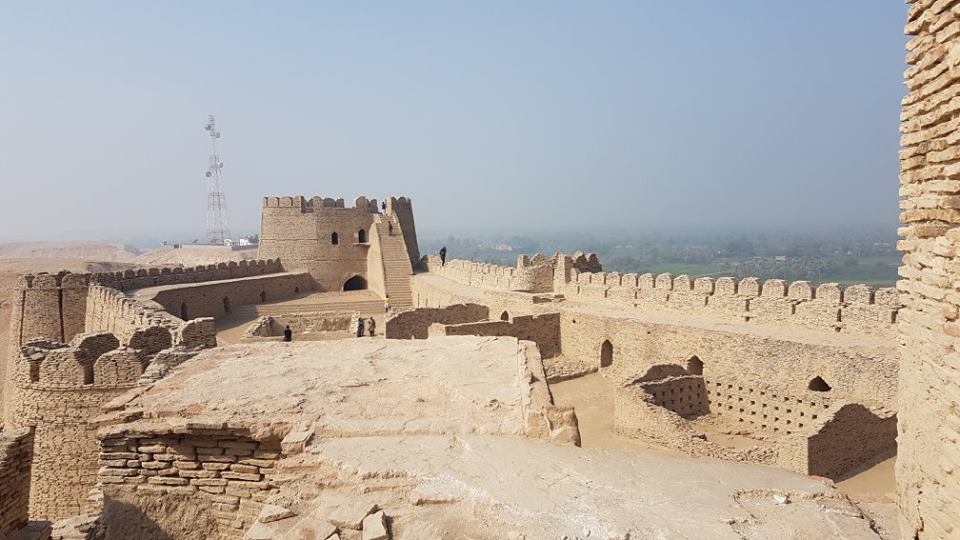
This podcast episode is on Kot Diji Fort, an 18th century fort in Sindh province, Pakistan. It is built upon an ancient Harappan site.
Podcast Episode 108 l Do stupendously large black holes exist?
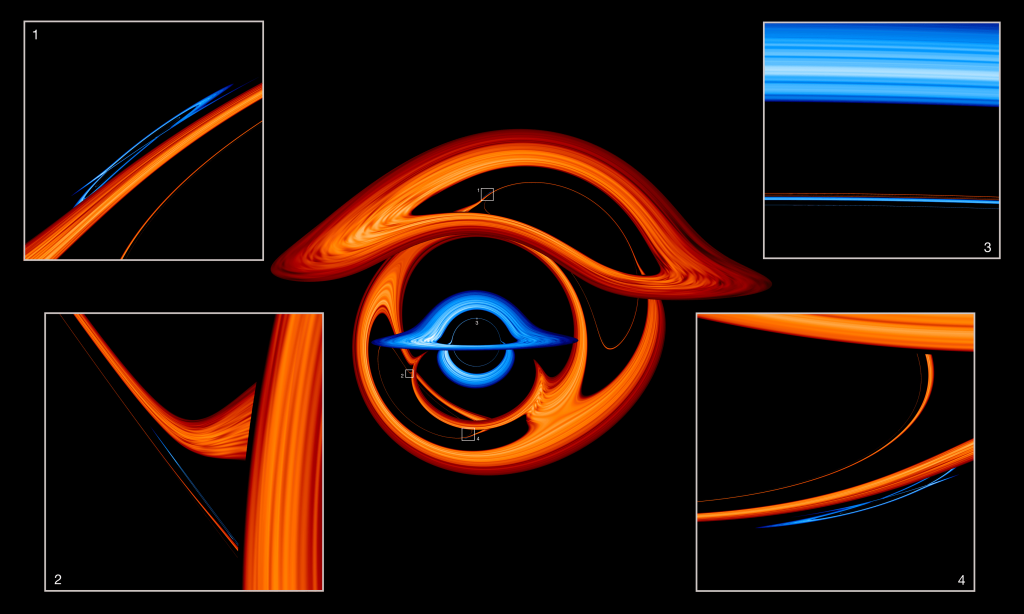
Stupendously large black holes (SLABs) are theoretical cosmic giants, potentially reaching trillions of solar masses with radii about a light-year wide. Though unobserved, they could exist if black holes grew at extraordinary rates, possibly lurking in the centres of distant galaxies.
Podcast Episode 107 I Queen of the Waves Gertrude Ederle l Swimmer
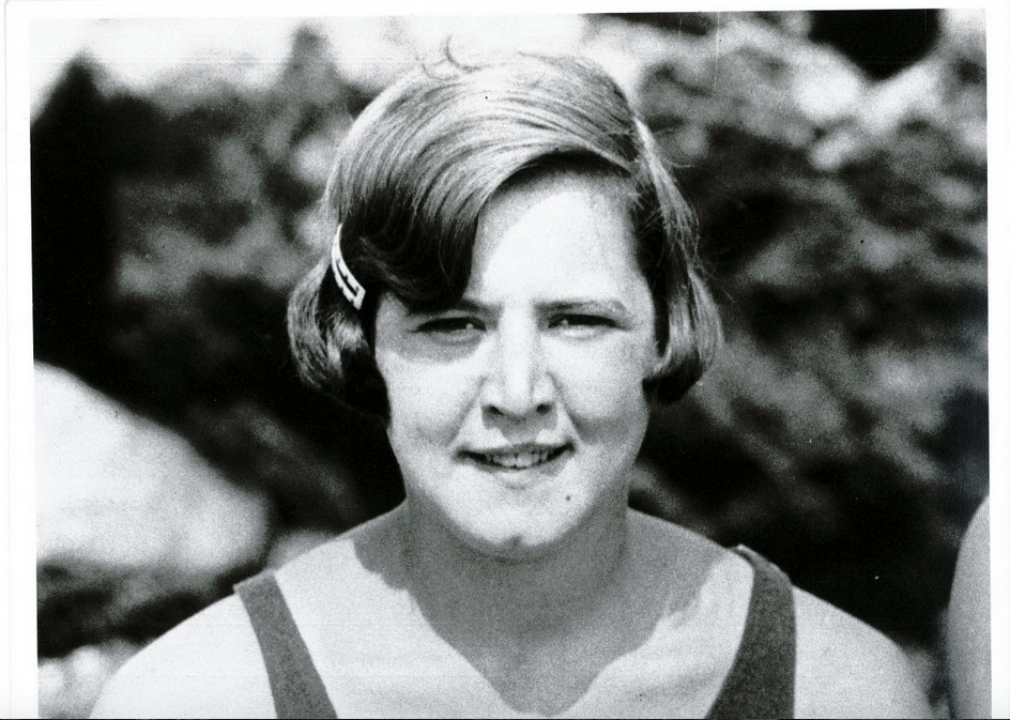
Gertrude Ederle was an American Olympic champion and record-breaking swimmer. On August 6, 1926, she became the first woman to swim the English Channel beating the record of one of only five men who had done it before.
Podcast Episode 105 l Brown Dwarfs – Planets, stars, or something entirely different?

Brown Dwarfs – Planets, stars, or something entirely different? Scientists think they lie between the two and can’t fuse hydrogen.
Podcast Episode 103 I Kent’s Cavern: A Journey Through Time
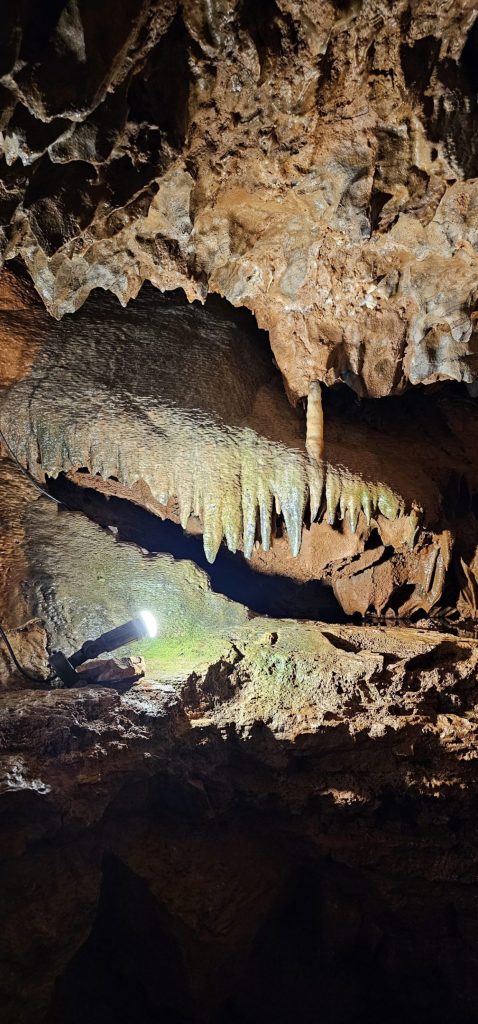
Welcome to Podcast Episode 103 on Kent’s Cavern: A Journey Through Time, a fascinating cave system in Torquay, Devon, on England’s southern coast.