
Podcast Episode 70 l Sound of brainwaves listening to Pink Floyd
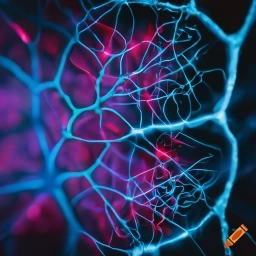
Scientists used artificial intelligence or AI to guess what Pink Floyd’s ‘Another Brick in the Wall’ sounds like based on patterns of brain activity recorded while people were listening to it. This is extremely cool and you can listen to it here!
Podcast Episode 69 l What exactly is a super blue moon?

Stargazers were able to Witness Rare Blue Super Moon in August 2023. The next blue super moon will be in 2037, so this one was a very rare sighting. But what exactly is a super blue moon? And what is our fascination with our only satellite?
Stargazers Witness Rare Blue Super Moon
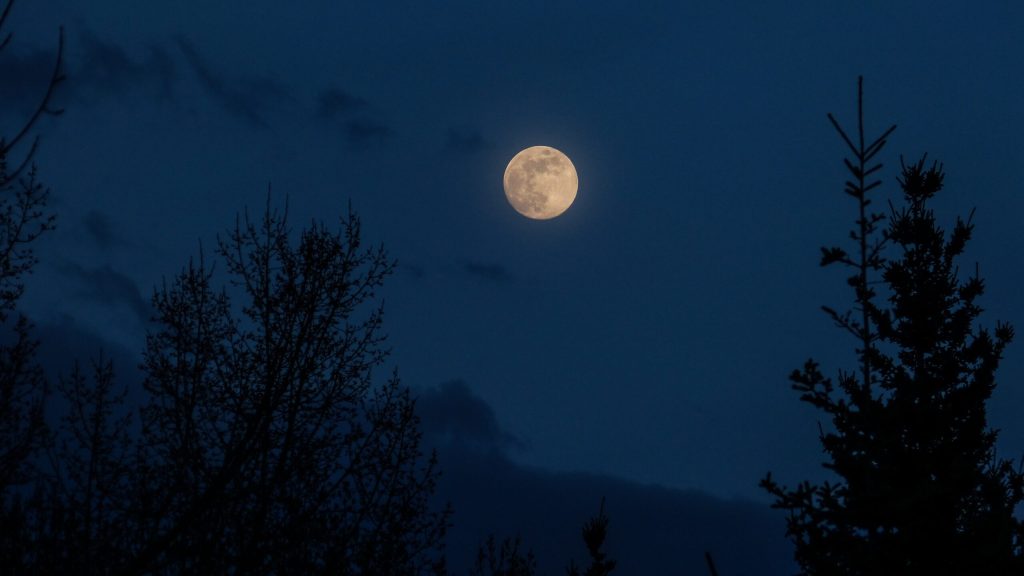
Stargazers were able to Witness Rare Blue Super Moon in August 2023. The next blue super moon will be in 2037, so this one was a very rare sighting.
Ötzi the Iceman looks very different from what we thought

Ötzi the Iceman looks very different from what we thought. The over 5,000 year old mummy was darker and had Anatolean ancestory.
Scientists created robots using living cells…then they started reproducing

Meet the Xenobots: entirely new lifeforms that were created in the lab in 2020. Using stem-cells from frogs, scientists created the world’s first living, self-healing robots. They are less than a millimetre wide — which makes them small enough to travel inside the human body. They can walk, swim, work in groups and survive without […]
James Webb Telescope and the images it has taken l Video
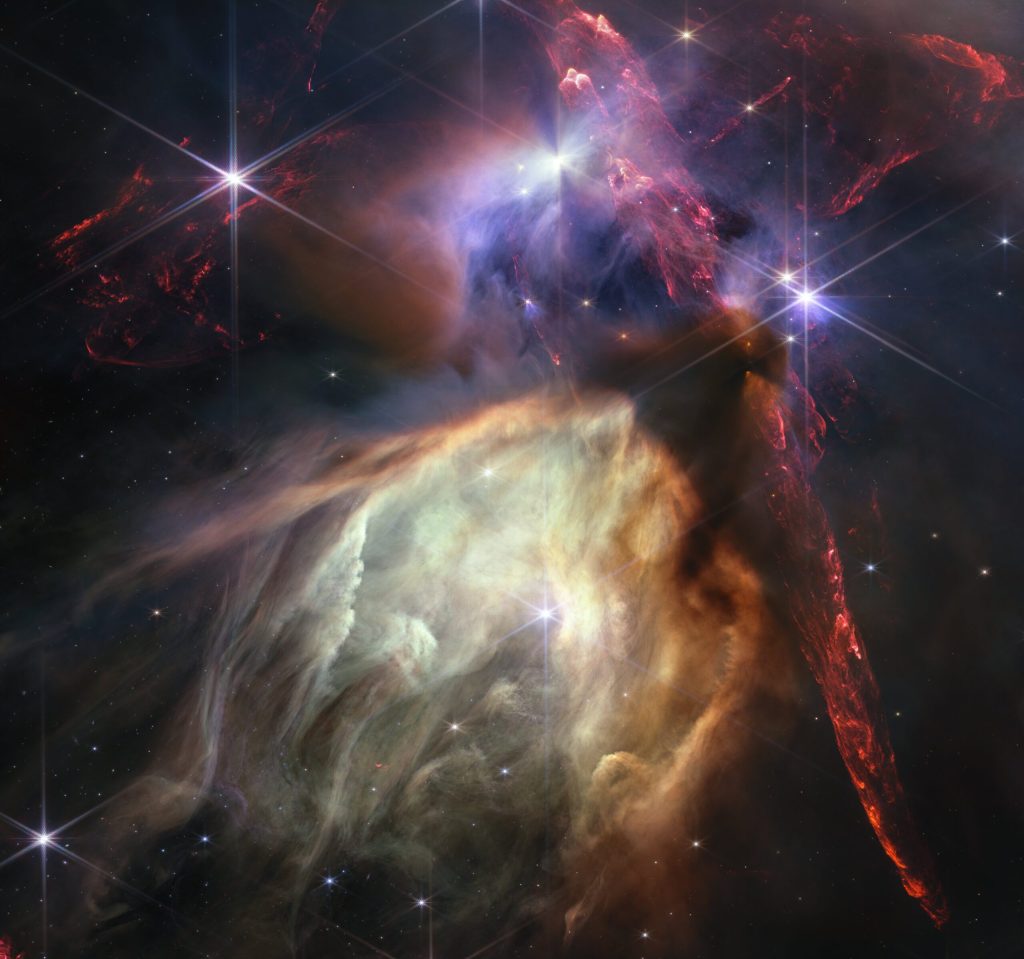
Here is the James Webb Telescope orbiting the Sun about 1 million miles from Earth and some of the iconic images it has taken in this Video.
What makes the Sun’s atmosphere hotter than its surface?
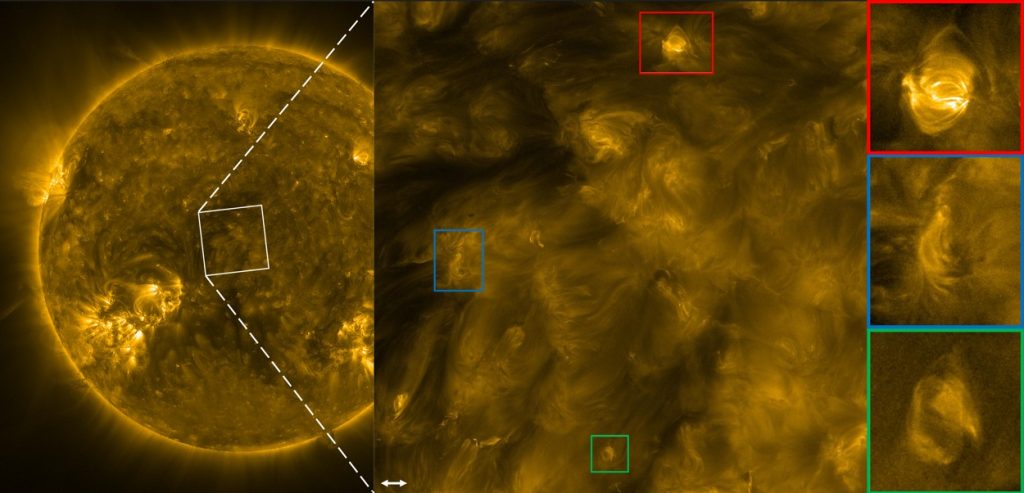
A joint team of scientists from the Royal Observatory of Belgium (ROB) and KU Leuven have found that high-frequency magnetic waves may play a key role in heating the sun’s atmosphere to millions of degrees. This finding provides new insights into one of the most puzzling mysteries of the sun: why its atmosphere is hotter than its surface.
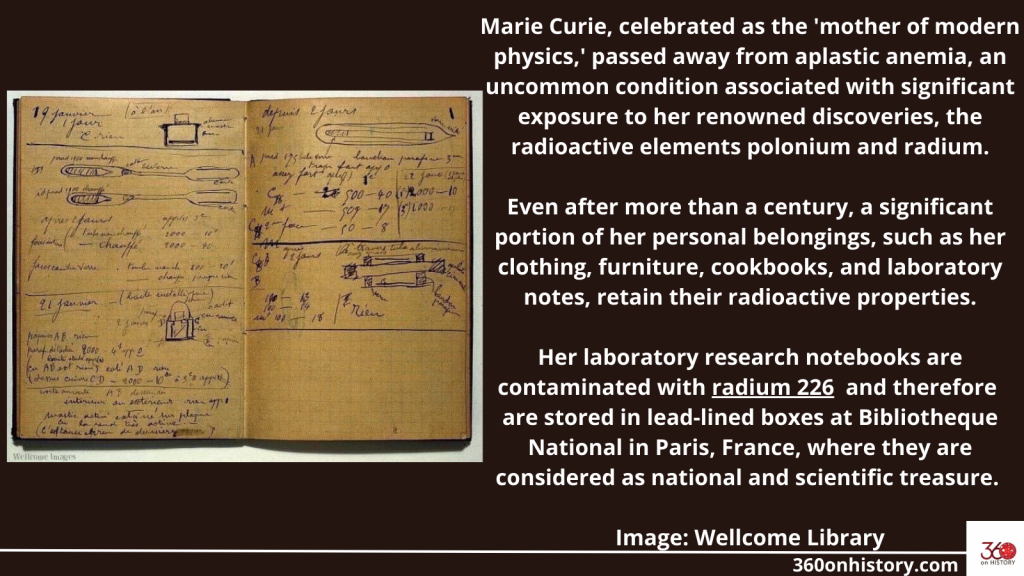
Marie Curie’s Notebooks Are Still Radioactive
This is the radio arc at the centre of our Milky Way Galaxy

This is the Galactic Center Radio Arc, a long, curving structure of parallel rays that points out from the Galactic plane at the top of the featured image. It is connected to the Galactic Center of our Milky Way galaxy, by strange curving filaments known as the Arches.
James Webb Telescope celebrates its first year with stunning image
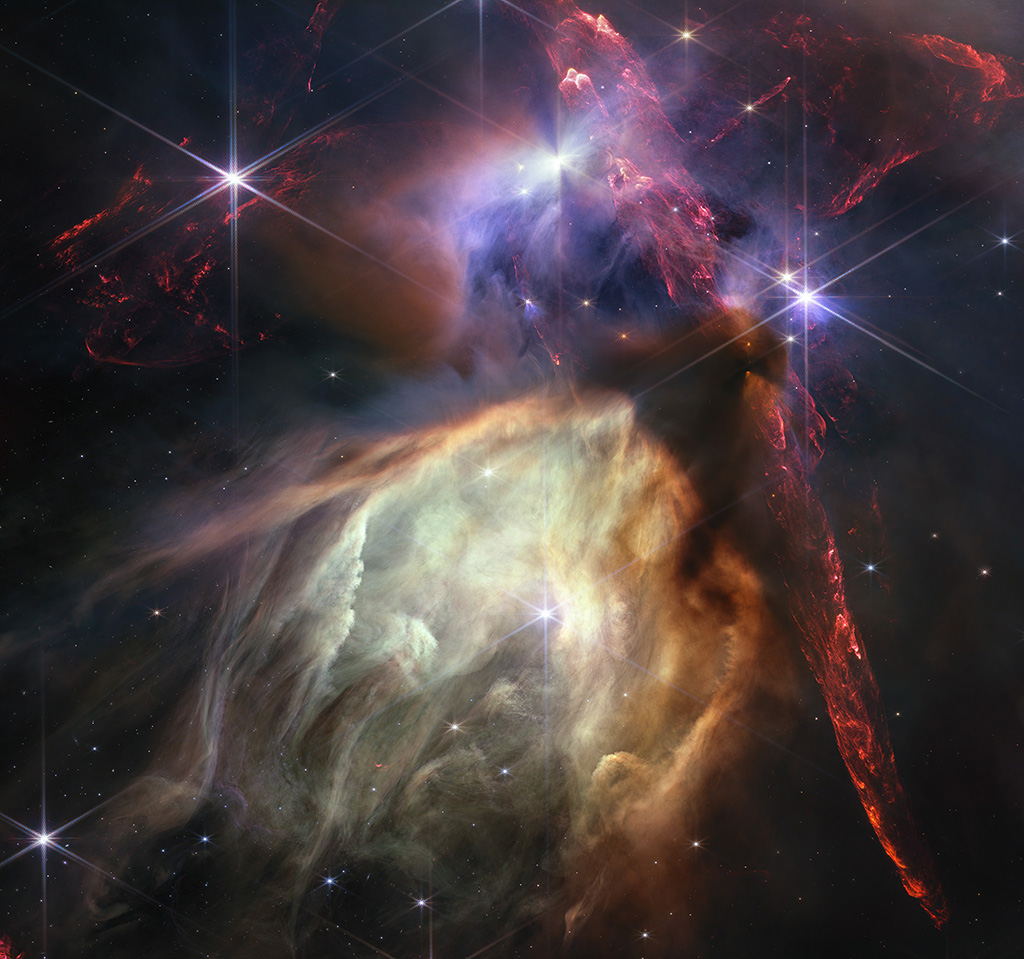
James Webb Telescope celebrates its first year with stunning image that has been released by NASA. It shows a star-forming region in Rho Ophiuchi cloud complex