An amazing monument has been discovered in France, which archaeologists are calling an “unprecedented” discovery. The monument was discovered by France’s National Institute for Preventive Archaeological Research (Inrap).
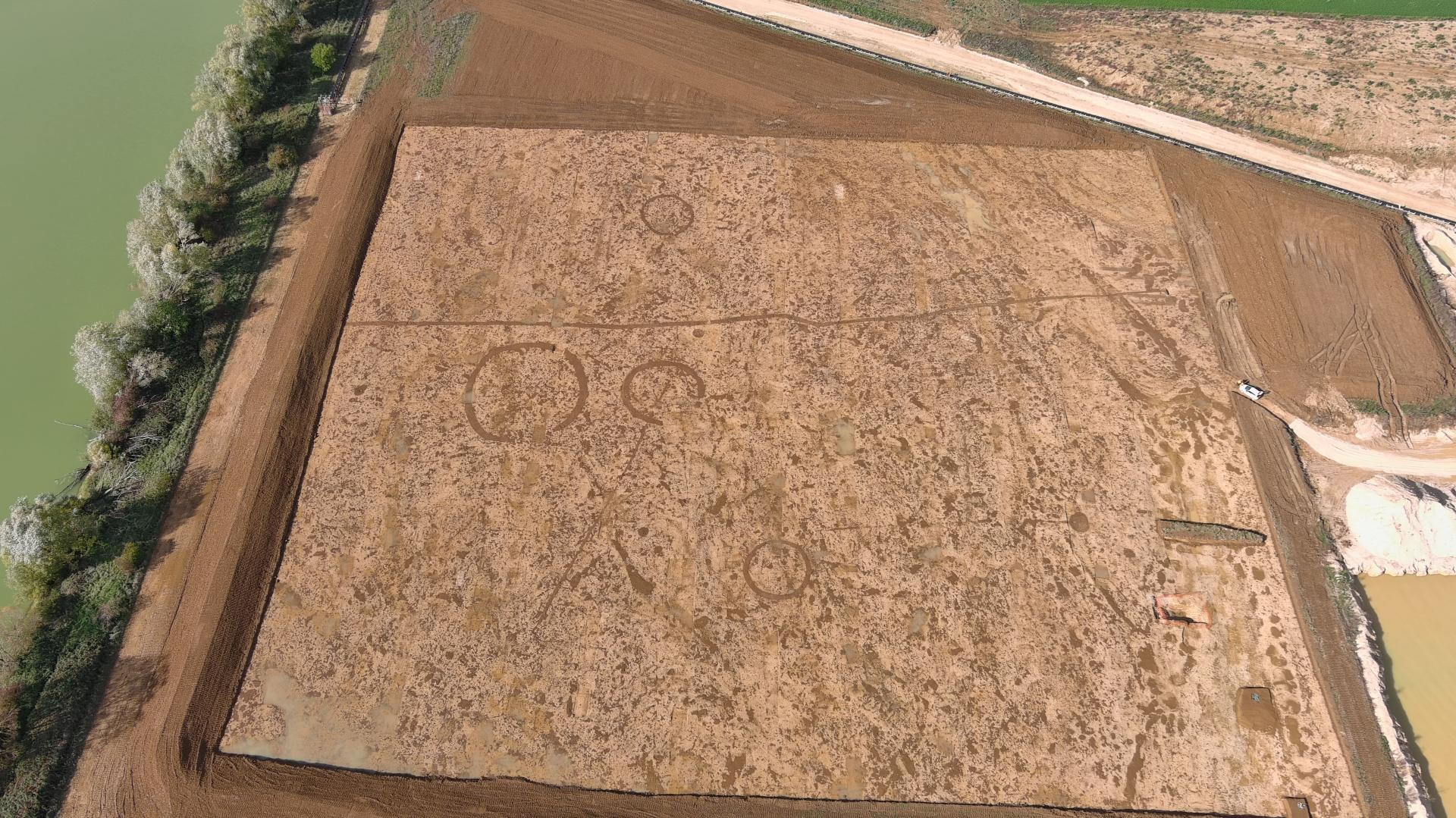
The institute’s was excavating an area of Marliens, about 20km east of Dijon, when they found the remains of settlements covering the period from the Neolithic Age (between 10000BC and 2200BC) and the Iron Age (1200BC to 550BC).
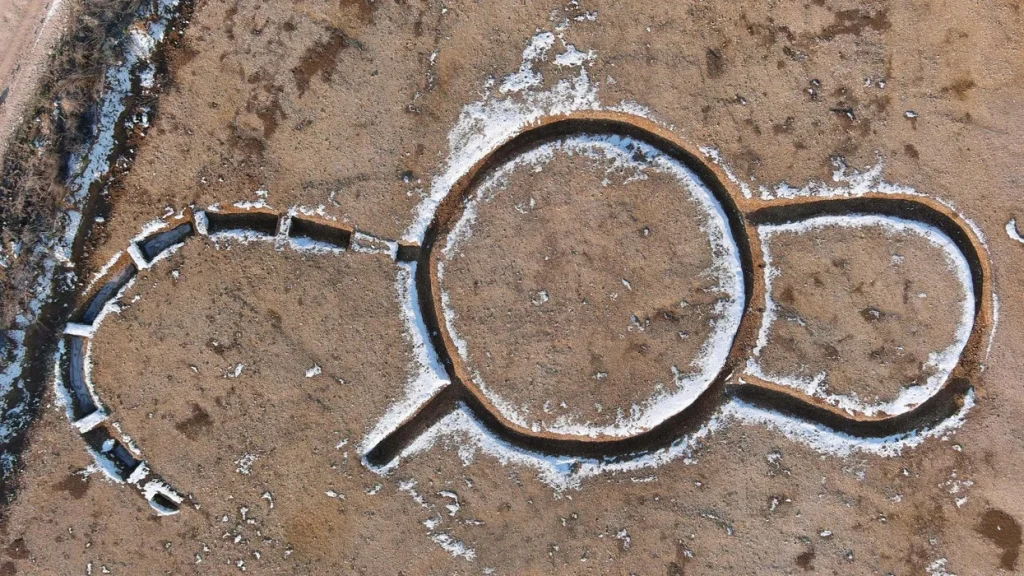
The oldest remains left by a single culture features an eight metre (26-foot)-long “horseshoe” enclosure attached to a circular structure measuring 11 metres (36 feet) in diameter, with another open enclosure beside that.
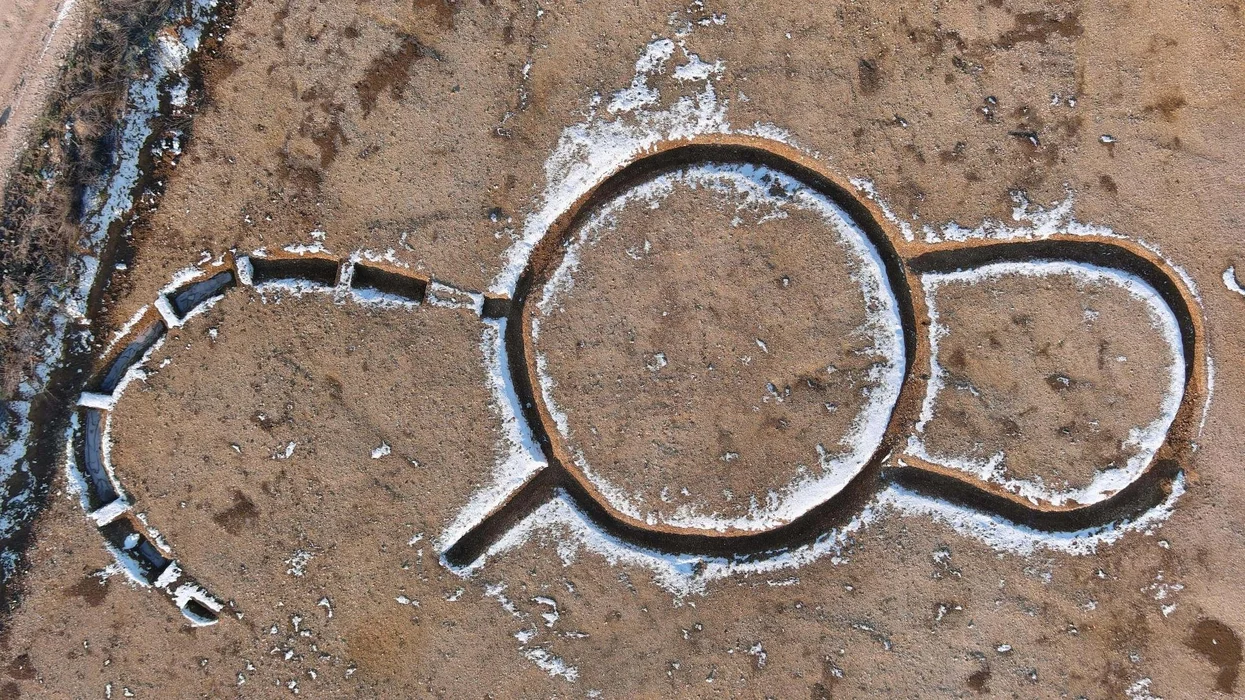
Researchers believe that all of these structures are from the same time period. Furthermore, a layer of gravel in the eclosures to the side indicate that a fence had stood here once. Beyond that, not much has been gleaned about the structures.
“This type of monument seems unprecedented and currently no comparison [with other sites has been possible],” the researchers wrote in a press release (in French).
“The dating still remains uncertain, however, the only artefacts discovered [on the site] correspond to cut flints which would suggest [they came from] the Neolithic period,” they further say.
“Radiocarbon analyses are now underway to clarify the chronology of this monument.”
The whole excavation areas measures 60,000 square metres (nearly 200,000 square feet), and the team also found several objects underneath a level of topsoil. These included seven flint arrowheads, two archer’s arm guards, a flint lighter, and a copper alloy dagger. One of the arm guards had traces of iron oxide or pyrite, an element used in lighting fires.
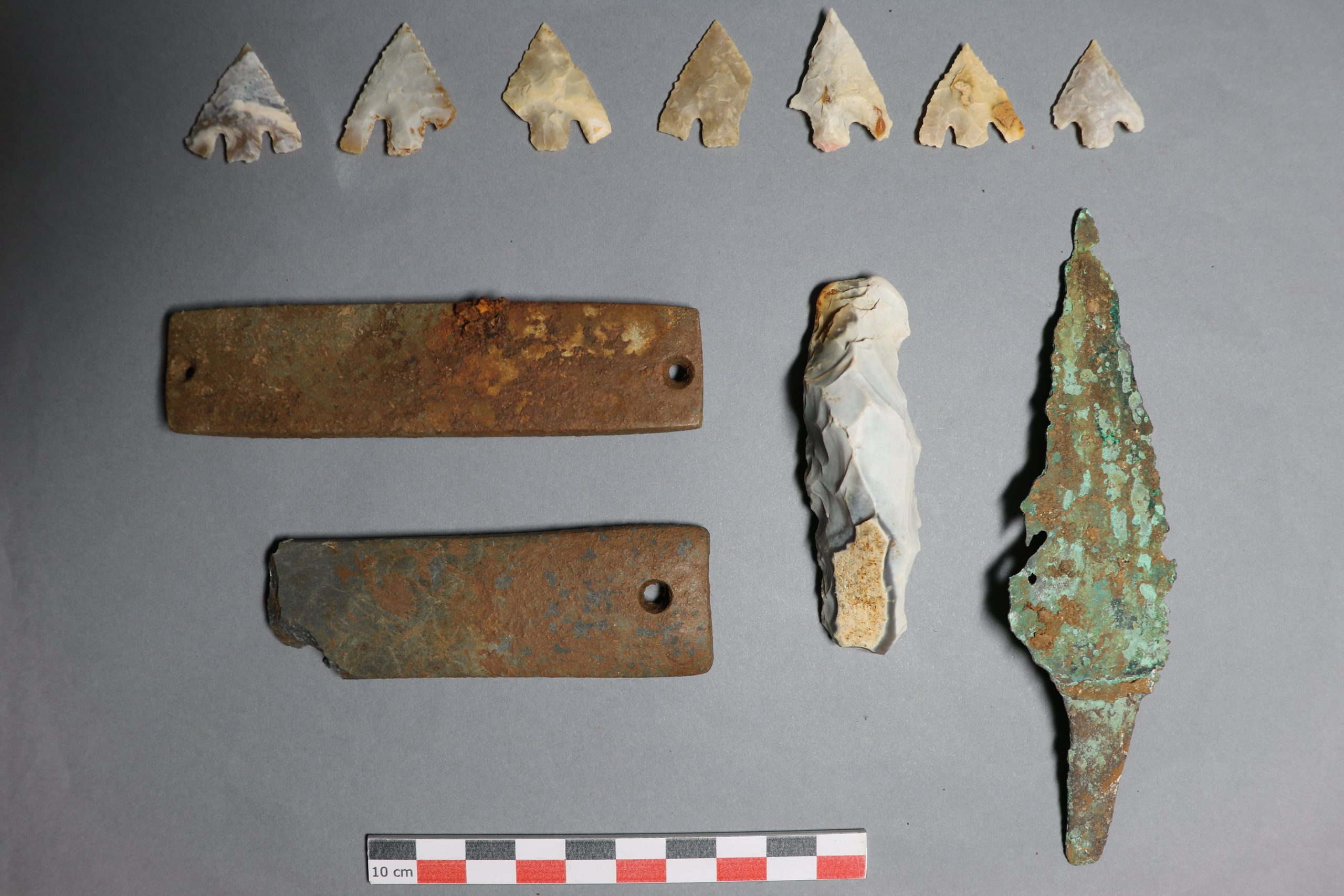
© Pauline Rostollan, Inrap
They noted that this series of objects most often accompanies a burial, however, they have not yet been able to confirm whether this was indeed such a site.
“Analyses of the composition of the copper alloy of the dagger should make it possible to establish its origin and provide us with information on commercial exchanges at that time,” they noted.
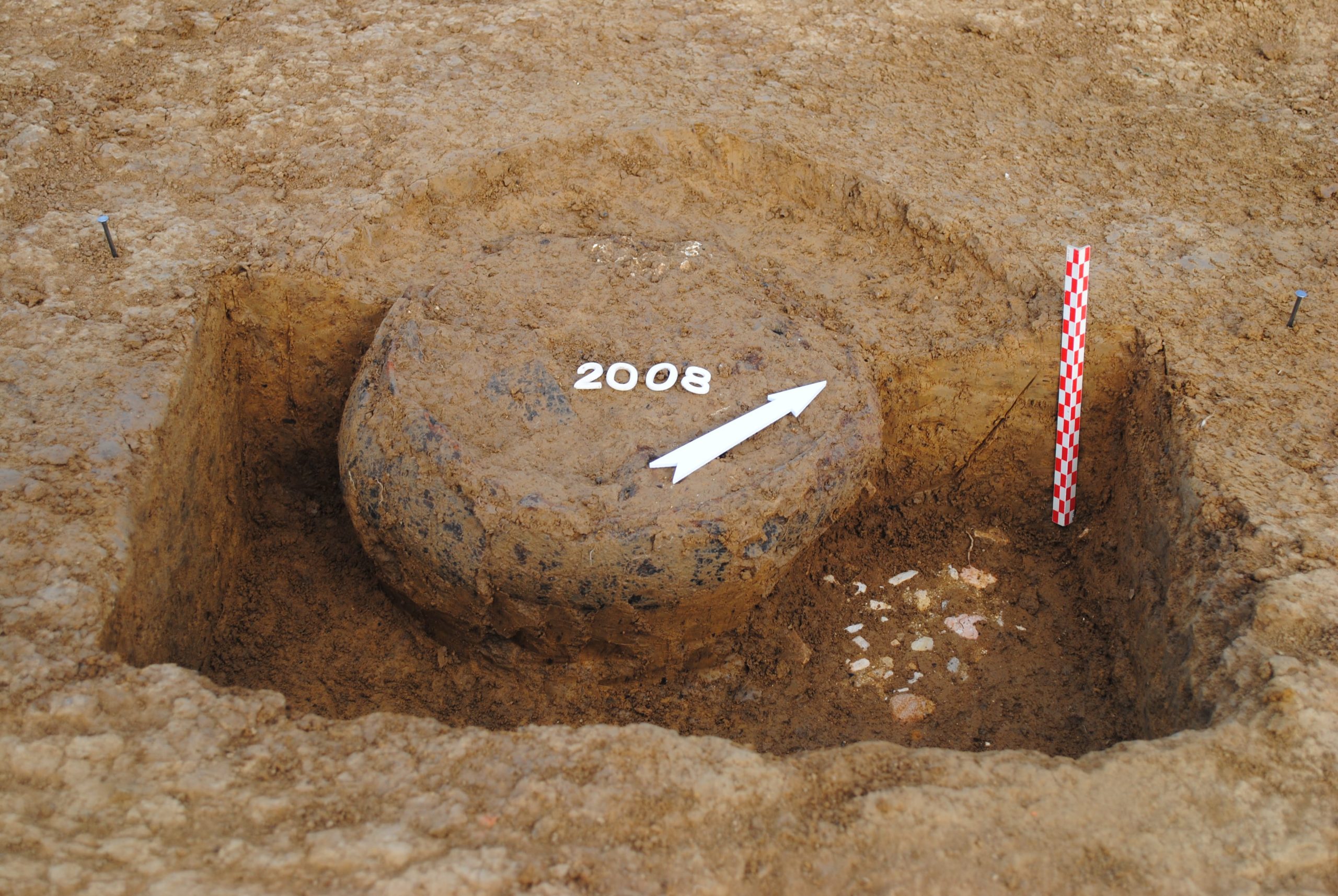
A number of wells from the early Bronze Age (3000 BC) have also been uncovered, as well as an ancient cemetary “characterised by the discovery of six cremations dating from the First Iron Age”.
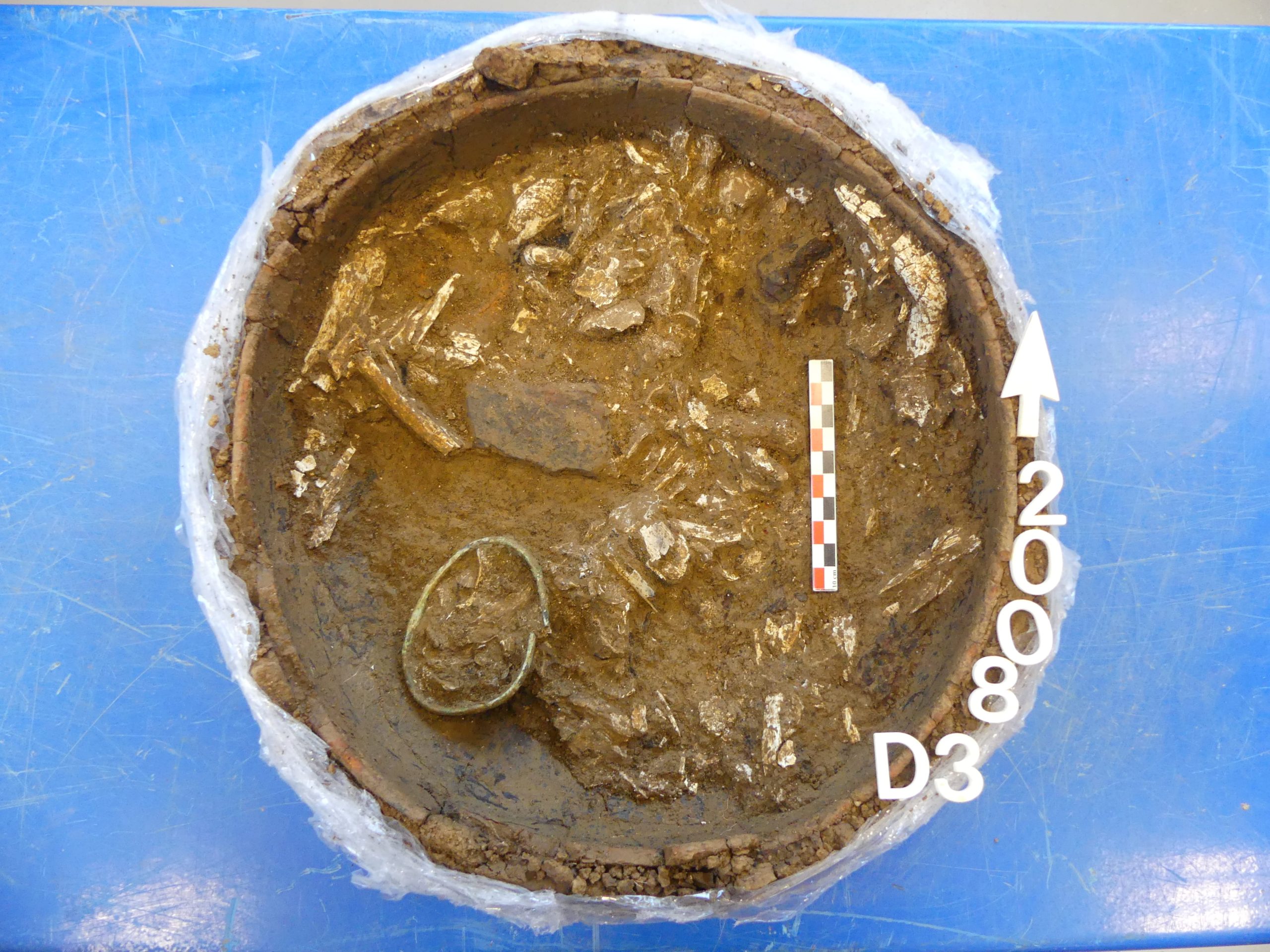
“The urns, covered by a lid, contained a single bone deposit sometimes accompanied by ornaments (bracelets and/or rings in copper alloy and iron),” the archaeologists said.
According to Inrap, analysis of the cremated bones has begun to determine funerary practices at the time of the burials.
While there are still a lot of questions about this sprawling site, it is still a very important find and hopefully will give up its secrets with more analysis.
Here is the Press Release