
A Rock With An Engraved Message
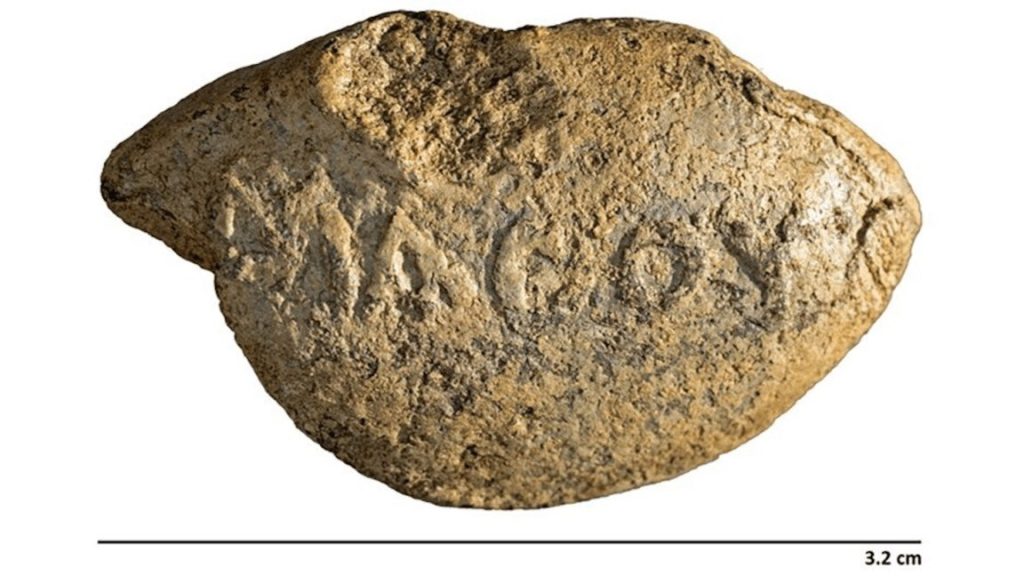
Inscribed sling bullet (B19655) found at Hippos with the inscription ΜΑΘΟΥ, meaning “Learn your lesson!”
Podcast Episode 124 l The Ancient Windmills of Iran
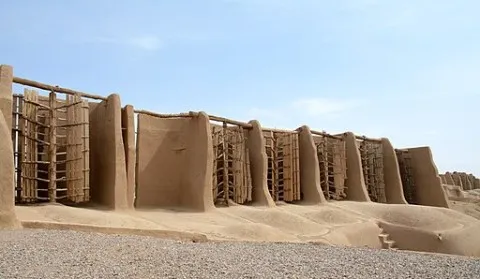
The Nashtifan windmills, also known as Asban, are located in eastern Iran. They are among the oldest windmills in the world. Made of clay, wood, and straw, these vertical-axis windmills have harnessed strong desert winds for centuries to grind grain, showcasing an ingenious example of ancient sustainable technology.
The Great Windmills of Nashtifan Iran That Still Function
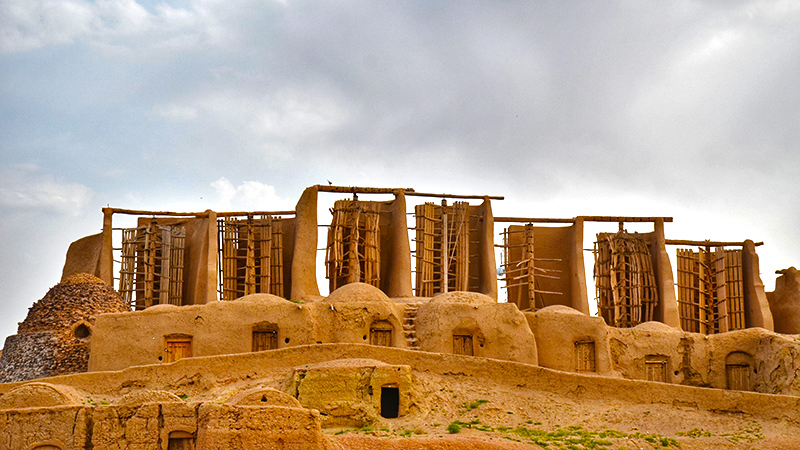
The Nashtifan windmills, located in eastern Iran, are among the oldest windmills in the world. Made of clay, wood, and straw, these vertical-axis windmills have harnessed strong desert winds for centuries to grind grain, showcasing an ingenious example of ancient sustainable technology.
Podcast Episode 122 l Africa’s Kingdom of Aksum
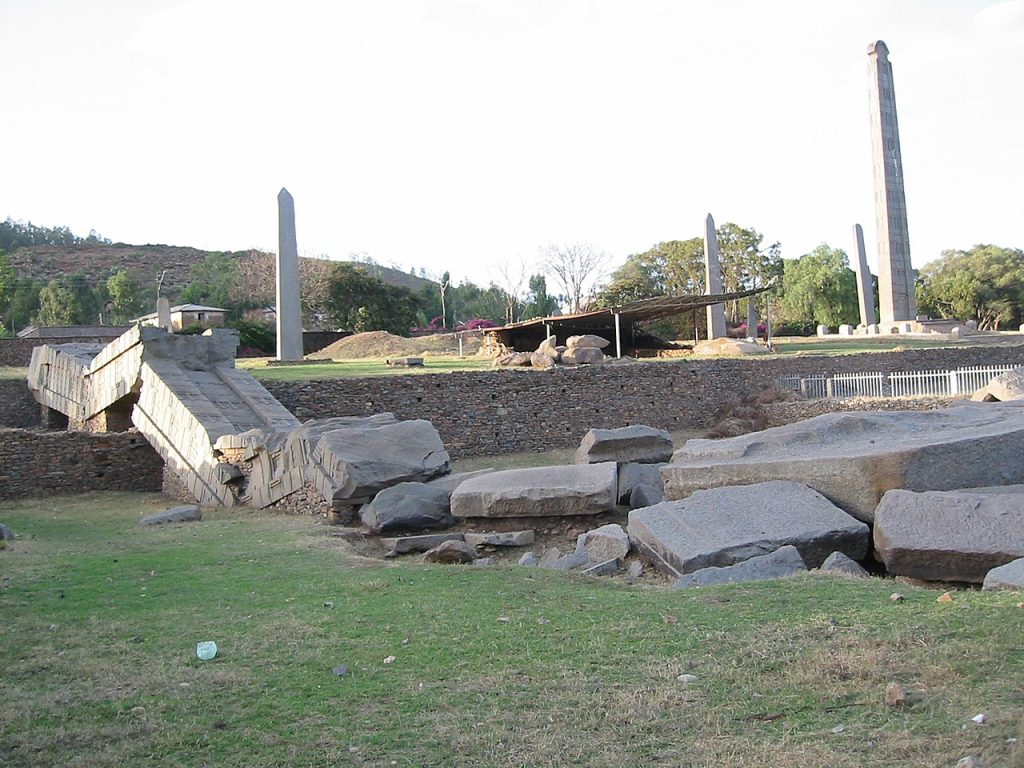
There was an ancient Kingdom in the Horn of Africa. It was called the Kingdom of Aksum and its was an important maritime hub and cultural centre, trading globally. It was also one of the first regions to adopt Christianity.
Origin of Indo-European Languages Spoken by Half the World Revealed Via 6,500 Year Old DNA
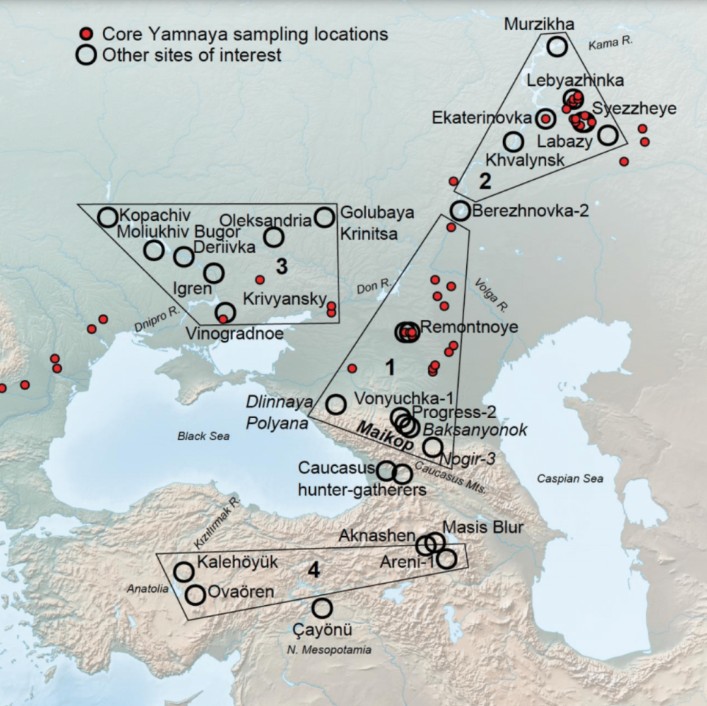
A pair of landmark studies, published in the journal Nature, has finally identified the originators of the Indo-European family of 400-plus languages, spoken today by more than 40 percent of the world’s population.
Kot Diji- An old Fort in Pakistan
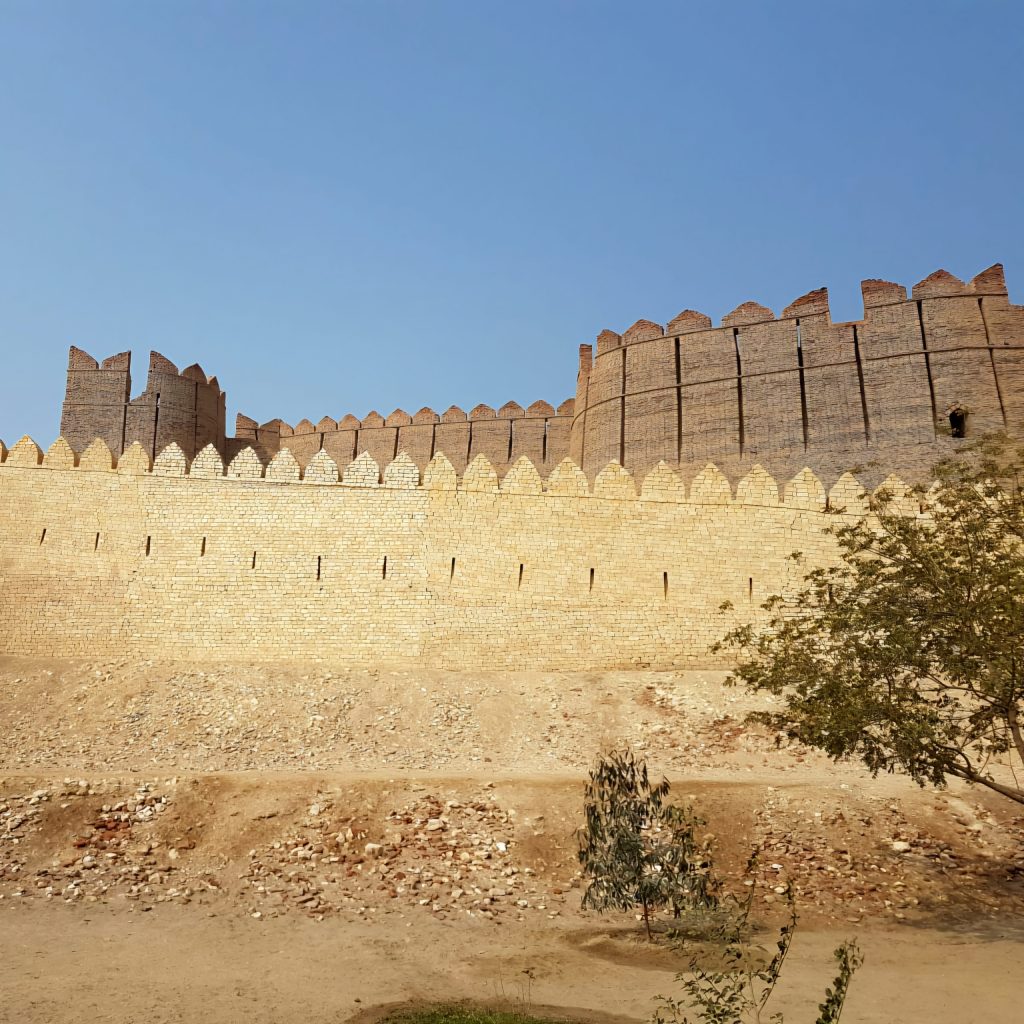
A short video graphic on and images of Kot Diji Fort, an 18th century fort in Sindh province, Pakistan. It is built upon an ancient Harappan site.
Why do we call it “mummy”?
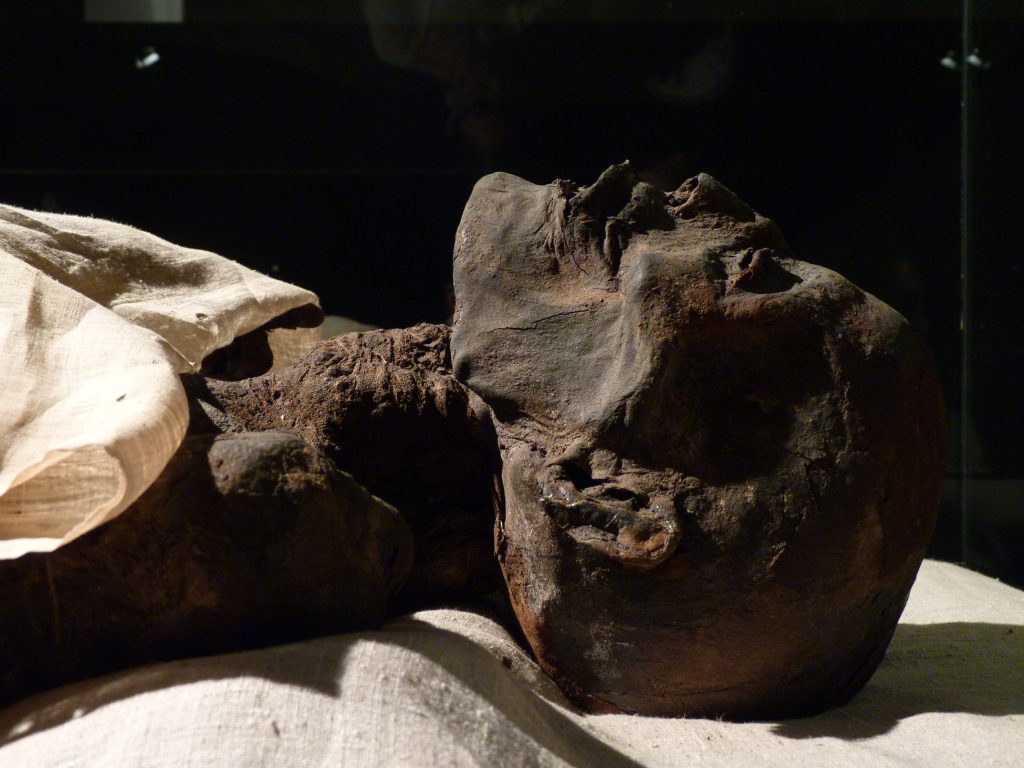
The word mummy is derived from Latin, Arabic and Persian (moom).
The Largest Fort in the World – Rannikot Fort
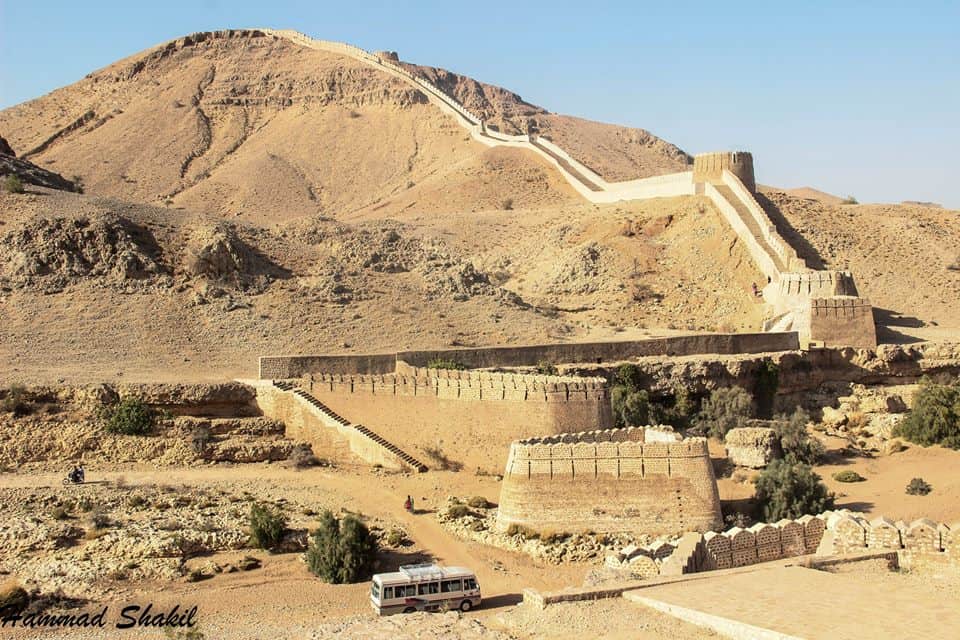
This is a history photoblog about Rannikot an ancient wall in Sindh, Pakistan. No one knows who originally built it. It’s called the Great Wall of Pakistan and is the largest fort by area in the world
Podcast Episode 106 l The Nazca Lines
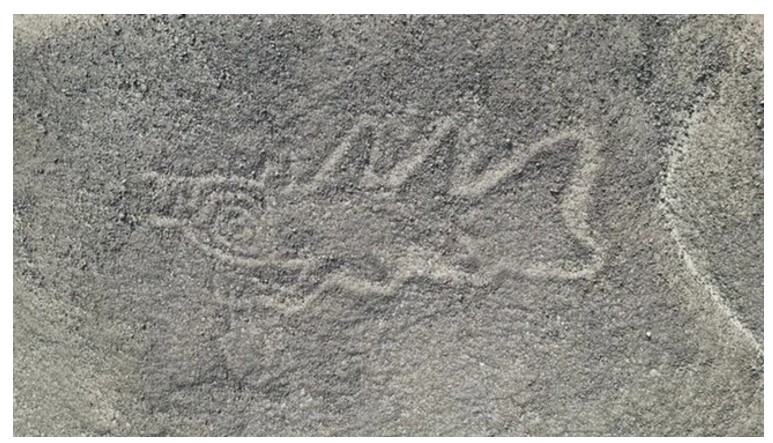
This podcast episode is on the the Nazca Lines, ancient lines carved on to the desert floor in Peru created over 2000 years ago.
The history of the Nazca lines and the discovery of new ones
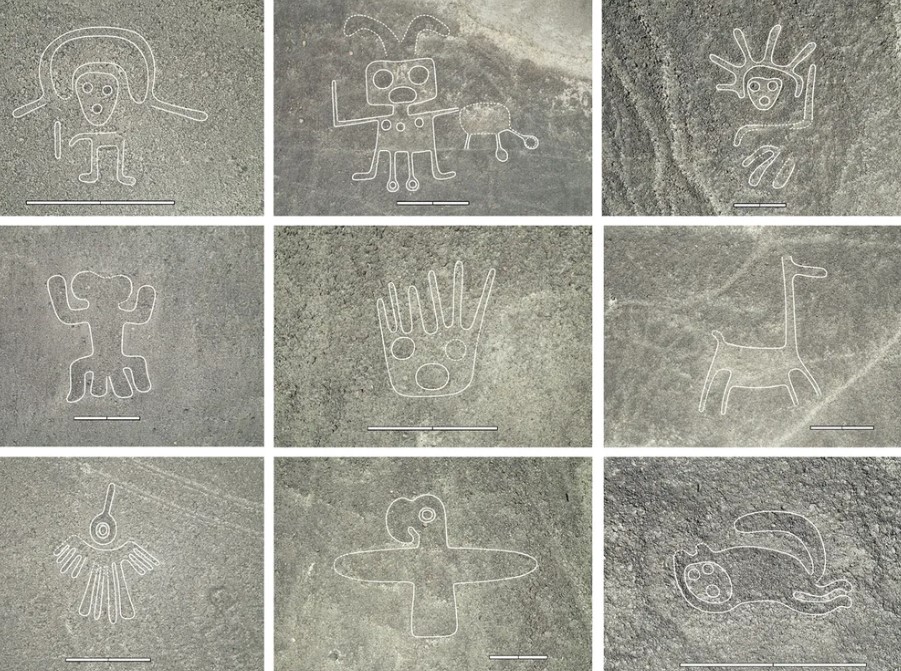
This is the history of the Nazca lines and some news about new ones recently discoverd by researchers using an A.I. model. Around 303 new ones were identified.