It is that time of the year (or at least every four years) when we are all hooked to our TVs watching excellence in sports and athletics. This time, we are in Paris for the 2024 Olympics. What better opportunity than this to talk about the history of these games? So, here we go!
The Olympic Games, are a global celebration of athletic prowess and unity, with a rich history that stretches back over two millennia. The journey from their ancient origins to the modern spectacle we witness today is a tale of transformation, resilience, and international cooperation.
The Ancient Olympics
Did you know that the ancient Olympics trace their origins to 776 BCE in Olympia, Greece? Back then they were deeply rooted in Greek mythology and religious festivals, dedicated to Zeus, the king of the gods. They were held every four years, and were a crucial part of Greek culture, featuring events such as running, wrestling, boxing, pankration (a brutal blend of wrestling and boxing), and chariot racing. Athletes from various Greek city-states competed for honour, glory, and the symbolic olive wreath crown.
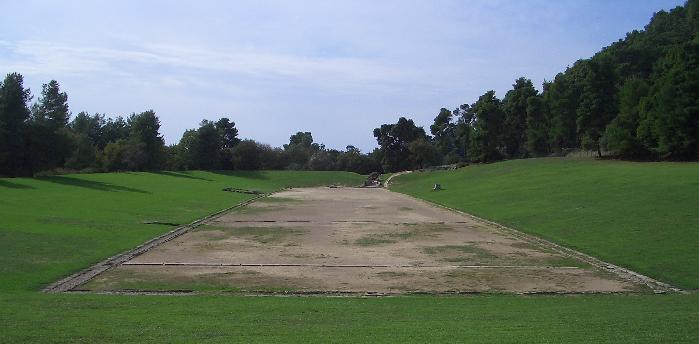

These ancient games flourished for nearly 12 centuries. However, in 393 CE, Roman Emperor Theodosius I, a devout Christian, abolished the games as part of his efforts to suppress pagan practices. This marked the end of the ancient Olympic era.
The Revival of the Olympics
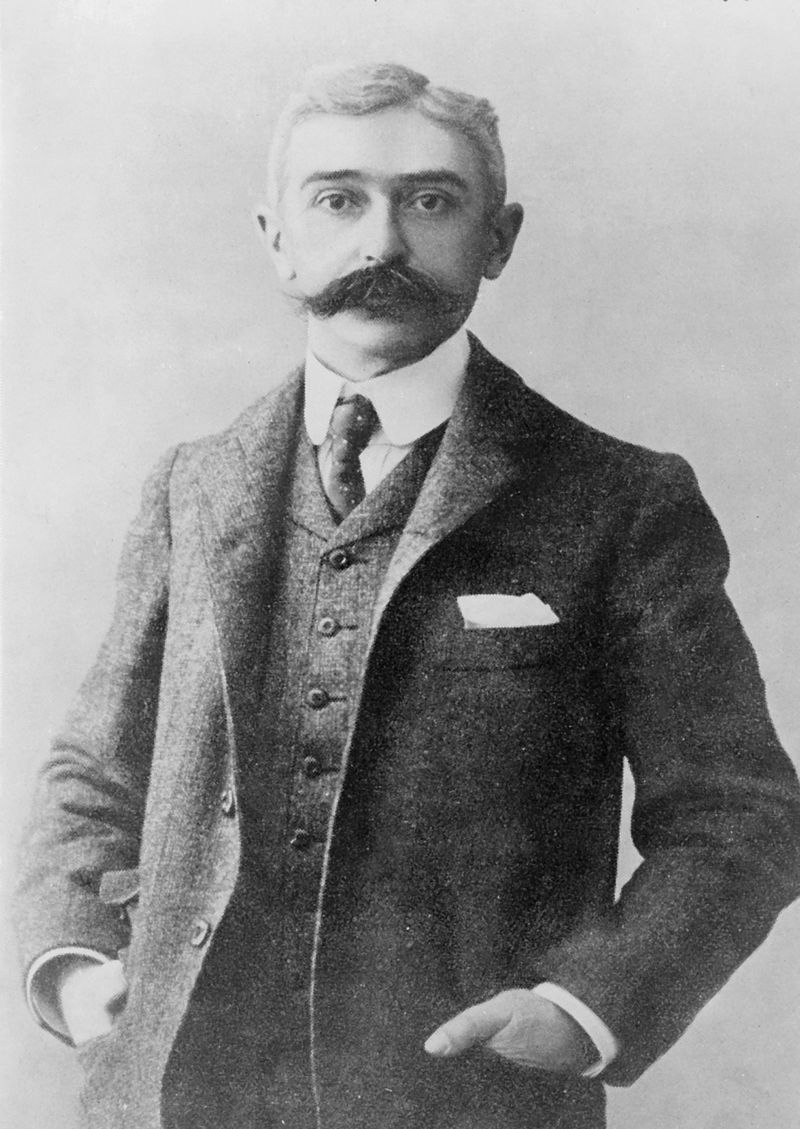
For over 1,500 years the spirit of the Olympics lay dormant, until the late 19th century, when they were revived by Pierre de Coubertin, a French educator and historian. Inspired by the ancient games and motivated by a vision of promoting international peace and physical education, Coubertin founded the International Olympic Committee (IOC) in 1894.
The iconic Olympic Rings appeared for the first time in 1913 at the top of a letter written by Coubertin, who had drawn and coloured them by hand.
He said of the Olympic symbol of five rings: “These five rings represent the five parts of the world now won over to the cause of olympism and ready to accept its fecund rivalries.”
To maintain the link with ancient tradition the first modern Olympic Games were held in Athens, Greece, in 1896. This historic event saw the participation of 14 countries and 241 athletes, who competed in 43 events. The modern Olympics had begun, rekindling the ancient flame of competitive sports and international camaraderie.
The Olympic flame is ignited in Olympia under the authority of the International Olympic Committee (IOC) a few months before the start of the Games. In the context of the modern Olympics, the flame symbolises the positive values historically associated with fire, serving as a bridge between the ancient and modern Games.
Key Milestones in Modern Olympic History
- 1900 Paris Olympics: The second modern Olympics introduced female athletes, with women competing in tennis and golf for the first time.
- 1936 Berlin Olympics: These games, held under Nazi rule, were marked by political tension. African American athlete Jesse Owens famously won four gold medals, challenging Hitler’s propaganda of Aryan supremacy. The International Olympic COmmittee gave Germany an ultimatum to either allow qualified Jewish athletes to join the national team or the Olympics would not be held in Berlin. Only Helene Mayer, a fencer was allowed to compete. She had a Jewish father and a Christian mother. She won silver.
- 1960 Rome Olympics: Ethiopian runner Abebe Bikila won the marathon running barefoot, becoming the first sub-Saharan African to win an Olympic gold medal.
- 1972 Munich Olympics: A tragic chapter in Olympic history, the Munich Games were overshadowed by a terrorist attack that resulted in the deaths of 11 Israeli athletes and coaches.
- 1980 and 1984 Boycotts: The Moscow Olympics (1980) and Los Angeles Olympics (1984) were marred by Cold War tensions, leading to significant boycotts by the United States and Soviet Union, respectively.
- 1992 Barcelona Olympics: These games were notable for the “Dream Team,” the U.S. basketball team featuring NBA stars like Michael Jordan and Magic Johnson, who dominated the competition.
- 2008 Beijing Olympics: A spectacular showcase of China’s rise as a global power, these games featured remarkable performances and awe-inspiring opening and closing ceremonies.
The controversial practice of sex testing for women athletes
Ever since women have started competing in sports, there have been questions about who qualifies to compete in women’s sports categories.
This issue has become particularly contentious in recent years, especially for elite female runners who have been disqualified from competing as women due to their natural biology. Although it may seem pretty straight forward, in reality, sex testing is more complicated than just checking sex chromosomes or hormone levels. Human biology is not simple and includes variations. Not everyone is unambiguously female or male.
The history of sex testing in sports dates back to the 1930s, not the 1960s as commonly believed. In fact, it began in the 1940s with ‘femininity certificates’ provided by a physician. The methods employed included visual inspections, physical examinations, chromosome testing, and later testosterone level testing.
Sports organisations have long relied on medical professionals to make “objective” judgments about athletes’ eligibility for women’s events. These tests have evolved significantly over time, reflecting changing cultural and social attitudes.
However, early methods of sex verification were often invasive and humiliating. In the 1960s, female athletes were subjected to practices like visual examinations of their genitals and secondary sexual characteristics by panels of doctors. Some events even implemented “naked parades” or manual examinations. These practices were deeply unpopular among athletes who found them degrading and unnecessary.
As technology advanced, genetic testing became the preferred method. From 1968 to 1998, the International Olympic Committee (IOC) used various forms of genetic testing, including the Barr body test and later SRY gene testing. However, these methods were not without controversy either because they sometimes failed to correctly identify female athletes or flagged those with intersex conditions.
The high cost of testing, potential false positives, and growing awareness of the complexity of biological sex compelled the IOC to abandon comprehensive sex verification testing in 1999.
Currently, World Athletics (formerly IAAF) enforces regulations that focus on testosterone levels in female athletes. These rules have been criticised for discriminating against women based on their natural biology, particularly targeting those with intersex conditions or differences of sexual development (DSD). Critics argue that these policies violate fundamental human rights, including privacy, dignity, and non-discrimination. The case of two-time Olympic champion, South Africa’s Caster Semenya is an example. She had to take testosterone-reducing medication in order to compete internationally. This practice still goes on, even though the science of high testosterone providing an unfair advantage to some women athletes is not conclusive.
The ongoing debate surrounding sex verification in sports highlights the complex interplay between biology, gender identity, and fairness in competition. Affected athletes still face difficult choices: they can either take medication to lower their natural testosterone levels, abandon their sport, or fight against these regulations like Caster Semenya did (and lost).
While there is no clear resolution in sight for this contentious issue, it does raise important questions about the nature of sex and gender in sports, the limits of “fairness,” and the rights of athletes to compete in their identified gender category without invasive scrutiny or medical intervention.
The Olympics Today
Meanwhile, the Olympics have continued to evolve in many other ways embracing new sports and technologies while maintaining their core values of excellence, friendship, and respect. They have also catered to the different types of people competing in the games, such as nursing mothers.
Tokyo 2020, delayed to 2021 due to the COVID-19 pandemic, demonstrated the resilience and adaptability of the Olympic movement, with athletes competing under unprecedented conditions.
The Paralympic Games or Paralympics, also known as the Games of the Paralympiad have also been around for decades. This series of international multisport events involves athletes with a range of disabilities and began as a small gathering of British World War II veterans in 1948. Paralympians strive for equal treatment with non-disabled Olympic athletes, but there is still a large funding gap between Olympic and Paralympic athletes.
The next chapter in Olympic history is being written in Paris in 2024, with the world eagerly watching the stories of triumph, unity, and inspiration that these games undoubtedly bring. Who can deny the epic performance of Simone Biles, who got her 5th gold medal and at 27 is the oldest Olympic gymnast to win a gold medal since 1964? How glorious it is to watch her, and indeed the whole American gymnast team!
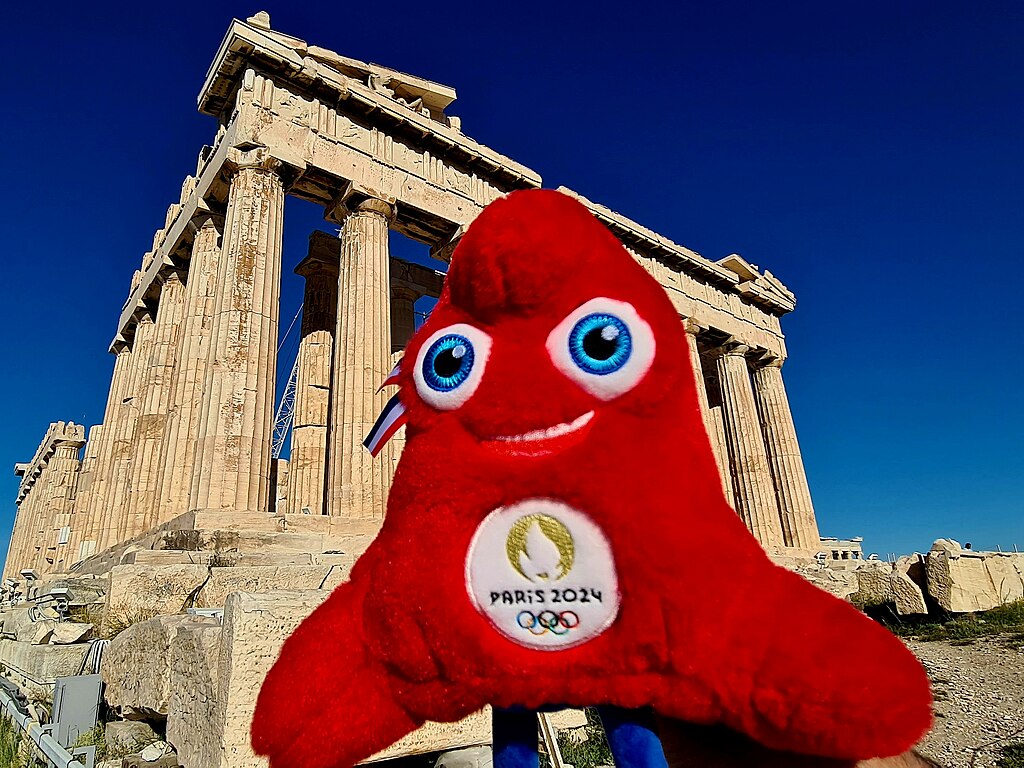
From the ancient stadiums of Olympia to the grand arenas of the modern world, the Olympics remain a powerful symbol of human potential and the enduring quest for greatness.