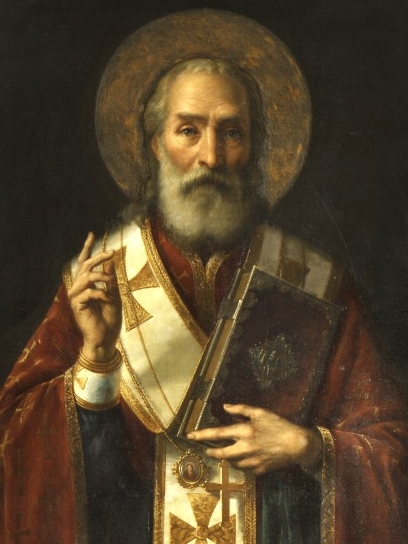
Santa is based on a 5th century AD saint from Myra, Turkey, called St Nicholas who was known for his generous gift giving. This gace rise to Santa Claus through the Dutch Sinterklaas. But Santa was not always the jolly red figure we know and love.
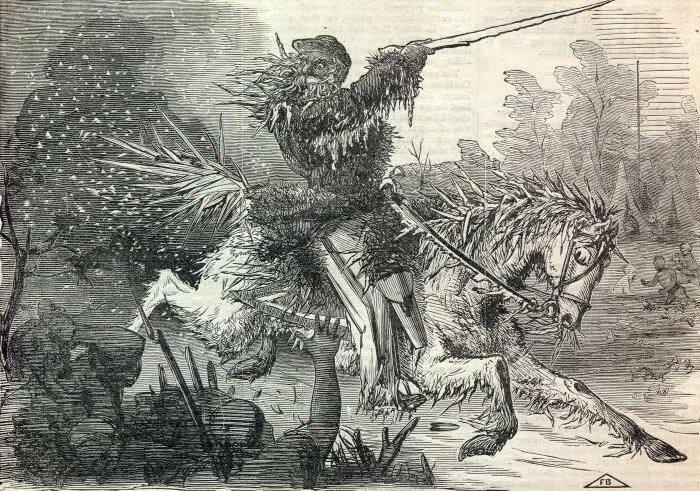
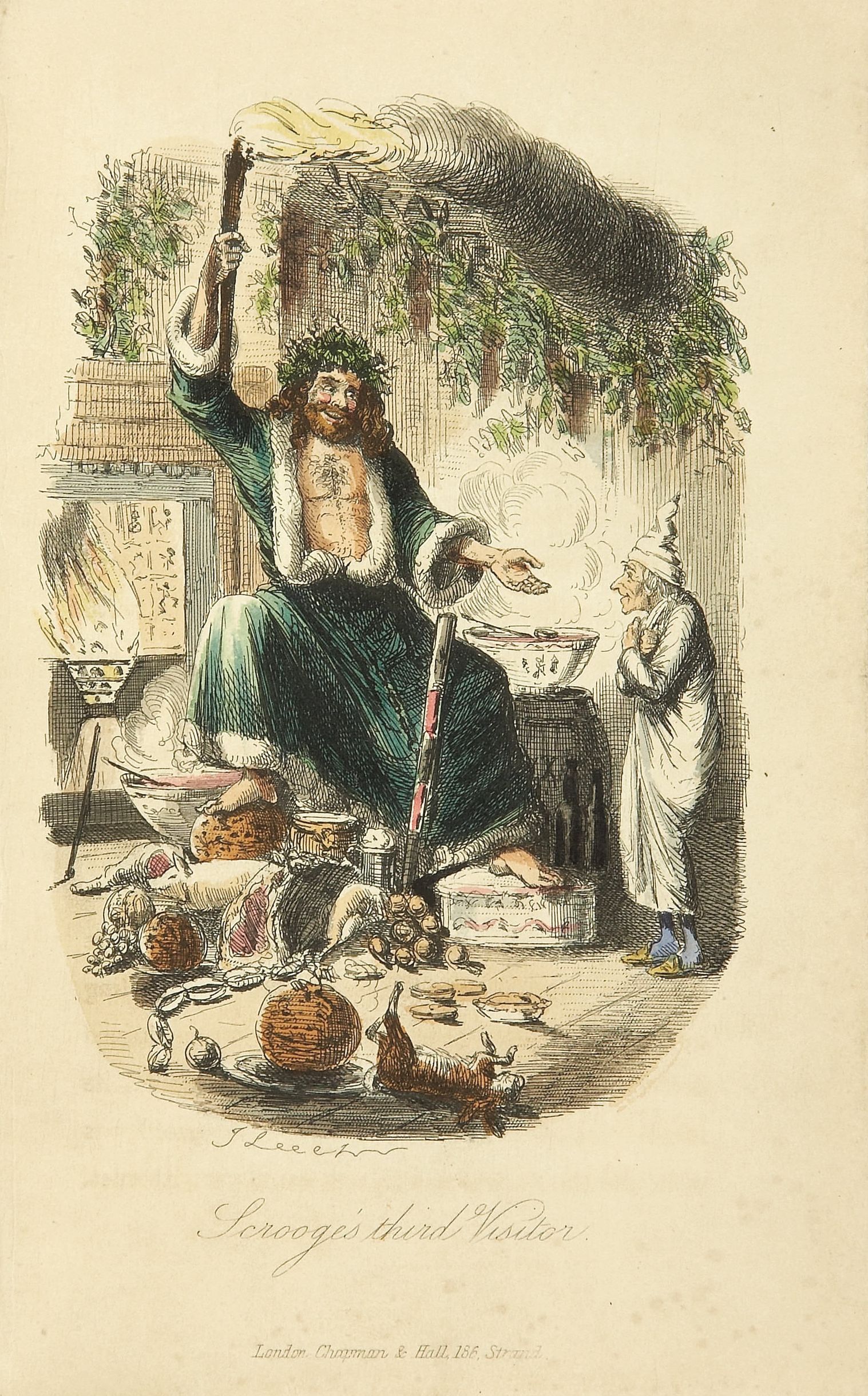
In Northern Europe there was a seasonal figure known as the frost king or winter king. In Anglo Saxon England there was old man winter or Father Christmas, again a seasonal figure and one of many such others. His main role was to organise mummers’ plays (folk plays). Father Christmas was not recorded as a main figure until 1646 according to the Oxford Dictionary. There was another figure known as the Lord of Misrule who presided over festivities in a household. There were other seasonal figures, some gift givers, others punished children, all over Europe. There was not one central figure however, until the modern era, when America provided one.
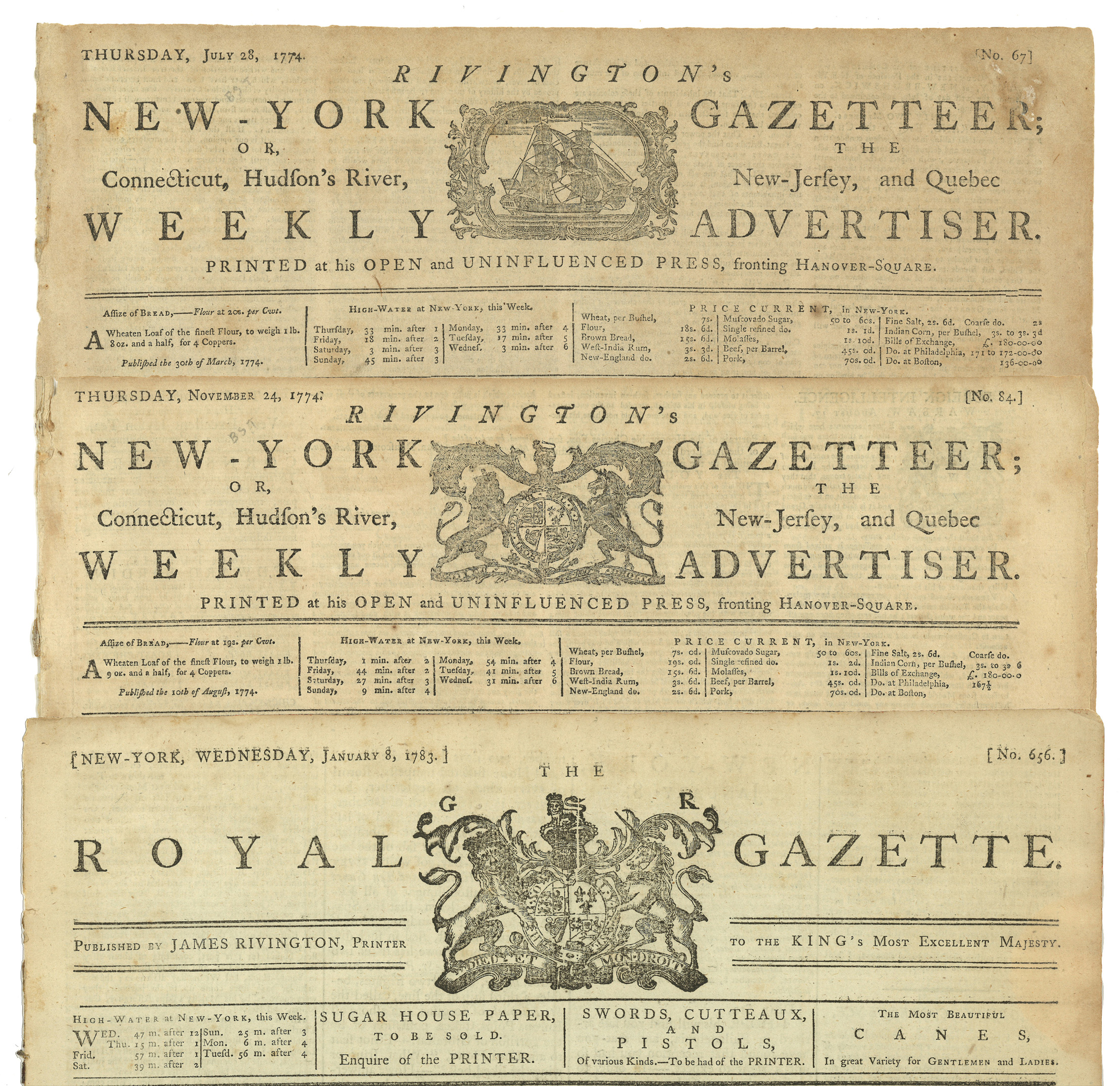
In the winter of 1773, the same week as Boston Tea Party, a newspaper called the Rivington’s New York Gazetteer published an article celebrating the birth of St Nicholas, (calling him Santa Claus) at a Protestant church. They published one more the next year and then there was no mention of Santa for 47 years. Then in 1821 Santa is mentioned in a children’s book called A New Year’s Present to the Little Ones.
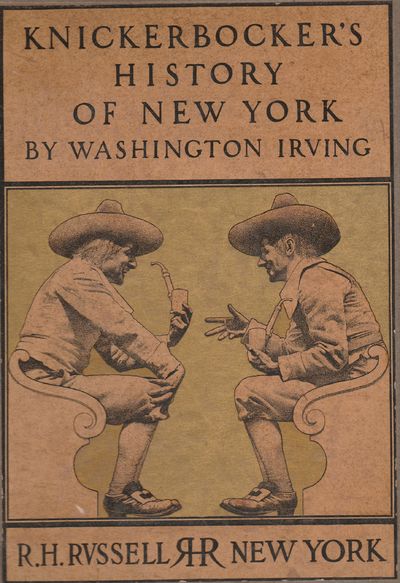
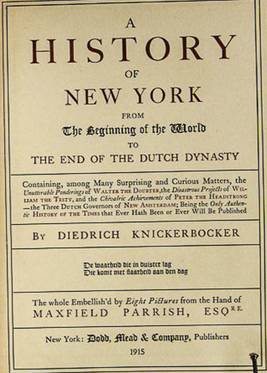
Santa started becoming who he is in 1809, in a book called Knickerbocker History of New York by Washingtong Irving. He was writing about the time when New York was a Dutch Colony in the mid 17th century. However, his account was wildly imaginative and he invented many things, not least a figure of St Nicholas, who not only helped the Dutch sail to New York, settle there, and watched over them but who visited them every year on his feast day on his flying wagon pulled by horses and dropped presents down chimneys. He did this during the day when people could see him but later became annoyed with the adults due to their bad ways and only came down at night dropping presents only for children in stockings hung by the fireplace. This established Santa Claus.
In 1821, he wrote what he thought an old fashioned English Christmas was like, once again inventing things. In The Sketch Book he wrote an account of Christmas at Bracebride Hall. This was another completely imaginary account but which became popular and was read by Charles Dickens. Dickens was a huge fan of Irving and even met him in America. A year later Dickens wrote A Christmas Carol.
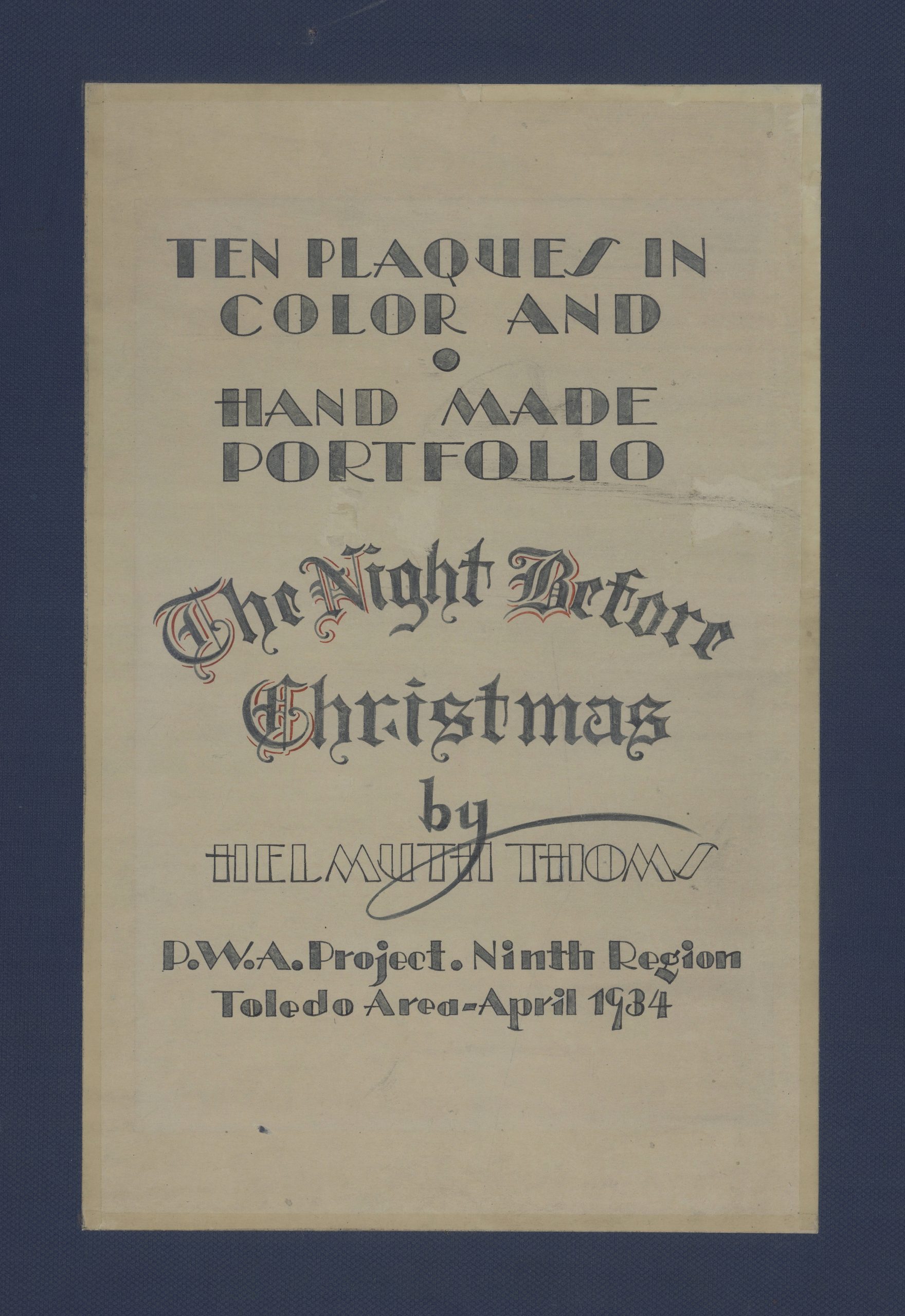
Santa became who he is by 1822 when Clement Clark Moore, friend of Irving, wrote A Visit from St Nicholas or as we know it T’was The Night Before Christmas. Santa was called St Nick in this and not Santa Claus. He was the size of an elf but his description of fat and jolly was what we know today. By the way Henry Livingston Jr. did not write it as many believe.
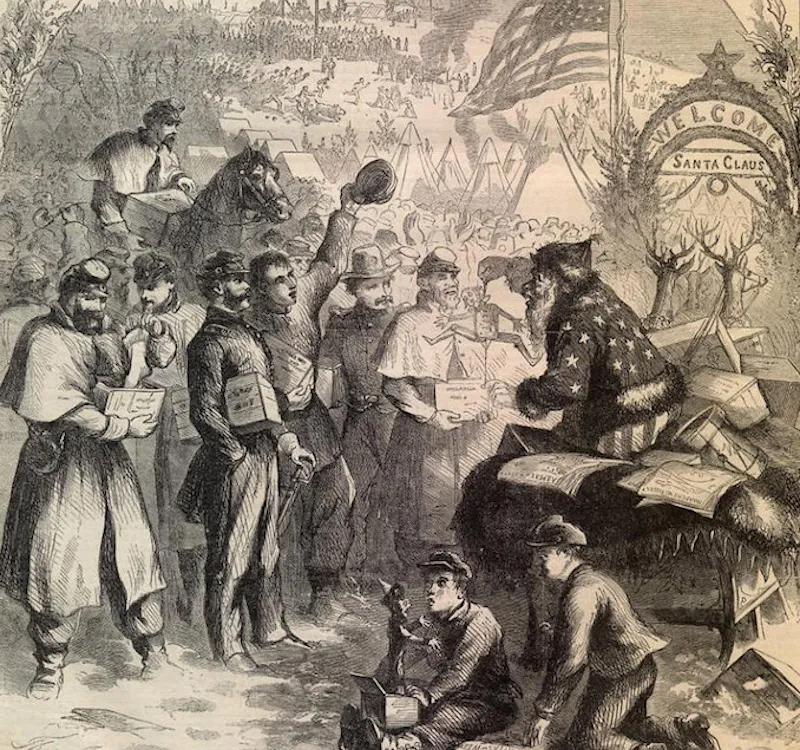
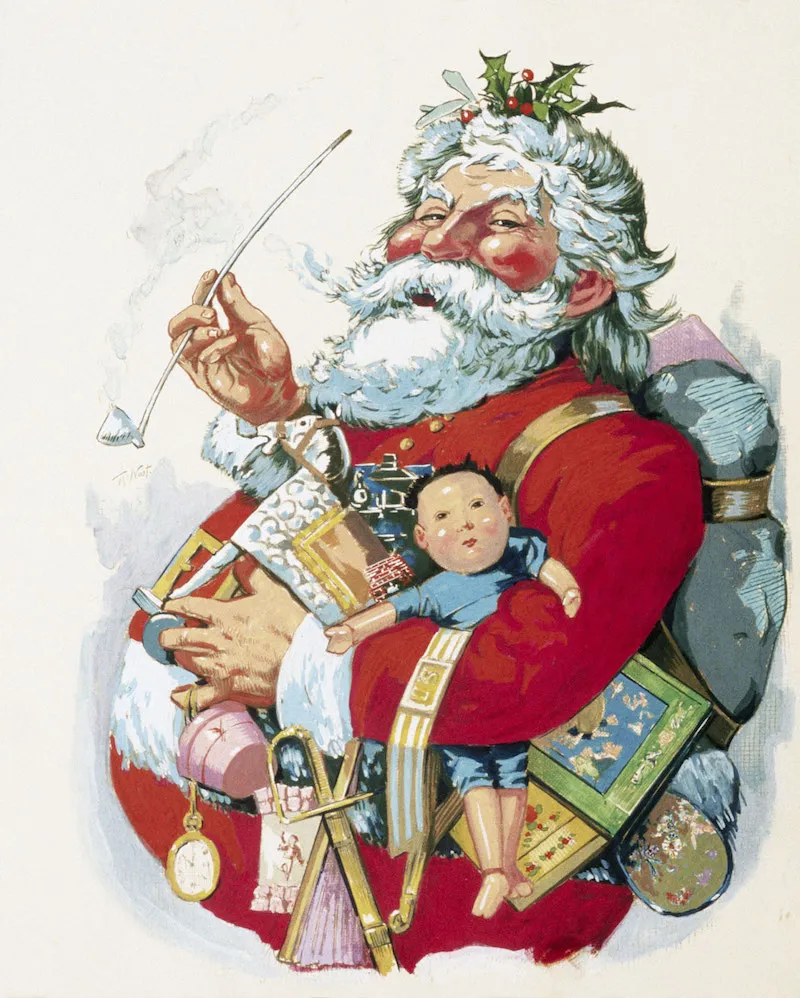
Santa’s depiction became further established by illustrator Thomas Nast who drew Santa for the cover of Harper’s Weekly every year from the 1860s to 1880s. Originally, he also drew him as small and elfin but made him plump and jolly. He also gave him a home in the North Pole. Because the illustrations were monochrome there was no red suit however.
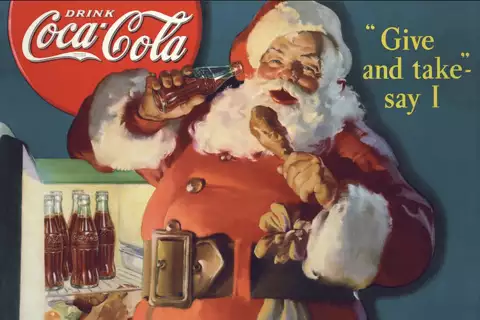
That was done by Cocoa Cola. They did not invent Santa but did give him his red suit. Early depictions had him in various colours like green or brown. The red suit became popularised in the 1930s through Coca-Cola’s holiday advertising, where Santa was shown happily drinking a coke that the kids left for him by the fireplace. The ads were inspired by Clement Moore’s description of Santa in his poem.
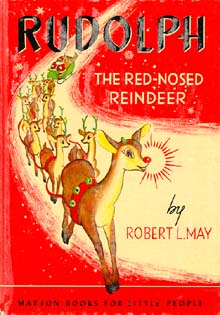
And finally, Rudolph appeared in 1939 as a character in a free children’s book by the department store chain called Montgomery Ward. He was created by Jewish copywriter Robert L May. His brother in law Johnny Marks (also Jewish), 10 years later, wrote Rudolf the Red Nosed Reindeer (as well as Have a Holly Jolly Christmas and others).
Did you know that Christmas Crackers Were Invented in London? In 1847, Tom Smith, a London confectioner, created the Christmas cracker as a way to market sweets. Over time, he added small gifts, paper hats, and jokes. Originally, they were used for many different occasions until WWI, after which they were relegated to just Christmas.