
Podcast Episode 125 l Whistlestop History of Music

A whistlestop tour of the history of music. Starting from our ancient ancestors beating drums and creating flutes to the lyres of greece, the Gregorian chants of the medieval period, Mozart, Beethoven, jazz, blues and rock and roll. Till today when we are using AI to help us in our creations.
Both genders in Hunter-gatherer societies had remarkable physical abilities

Meta-analysis of hunter-gatherer societies shows remarkable physical abilities of both genders. They found that gender has not historically played much of a role in physical activities—women ran, swam, climbed trees and dived for food, just as much as men did. The only bias they could find was against women climbing tall trees, and even these instances were rare.
Podcast Episode 111 l Tattoos on Mummies & Building Block of Life From Space
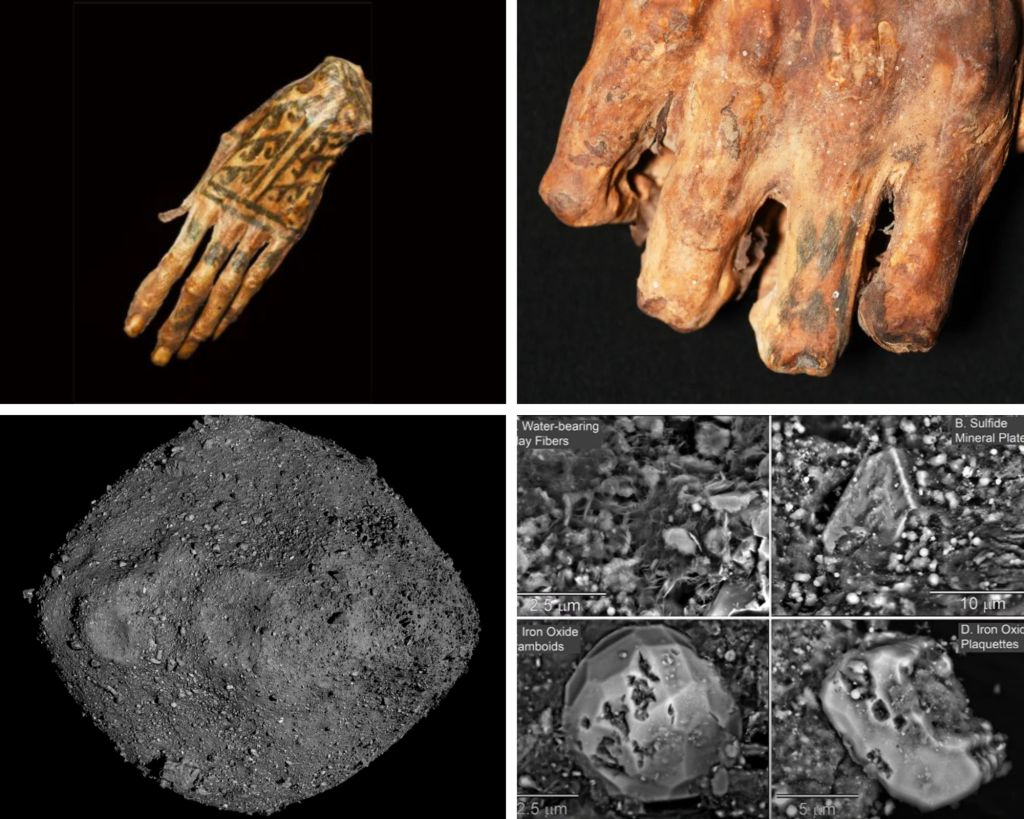
We’ve got two fascinating stories—one from deep space and the other from deep within history. firts about building blocks of life found in soil samples from asteroid Bennu. The next item is about scientists using lasers to reveal tattoos on mummies from the Chancay culture that existed on the Peruvian coast between roughly 900 and 1500 C.E.
Tiny humans known as Hobbits were even shorter

Tiny humans known as Hobbits were even shorter and they lived 700,000 years ago according to a new analysis.
The Role of Ice Ages in Human Evolution: How Glacial Cycles Shaped Our Ancestors’ Journey
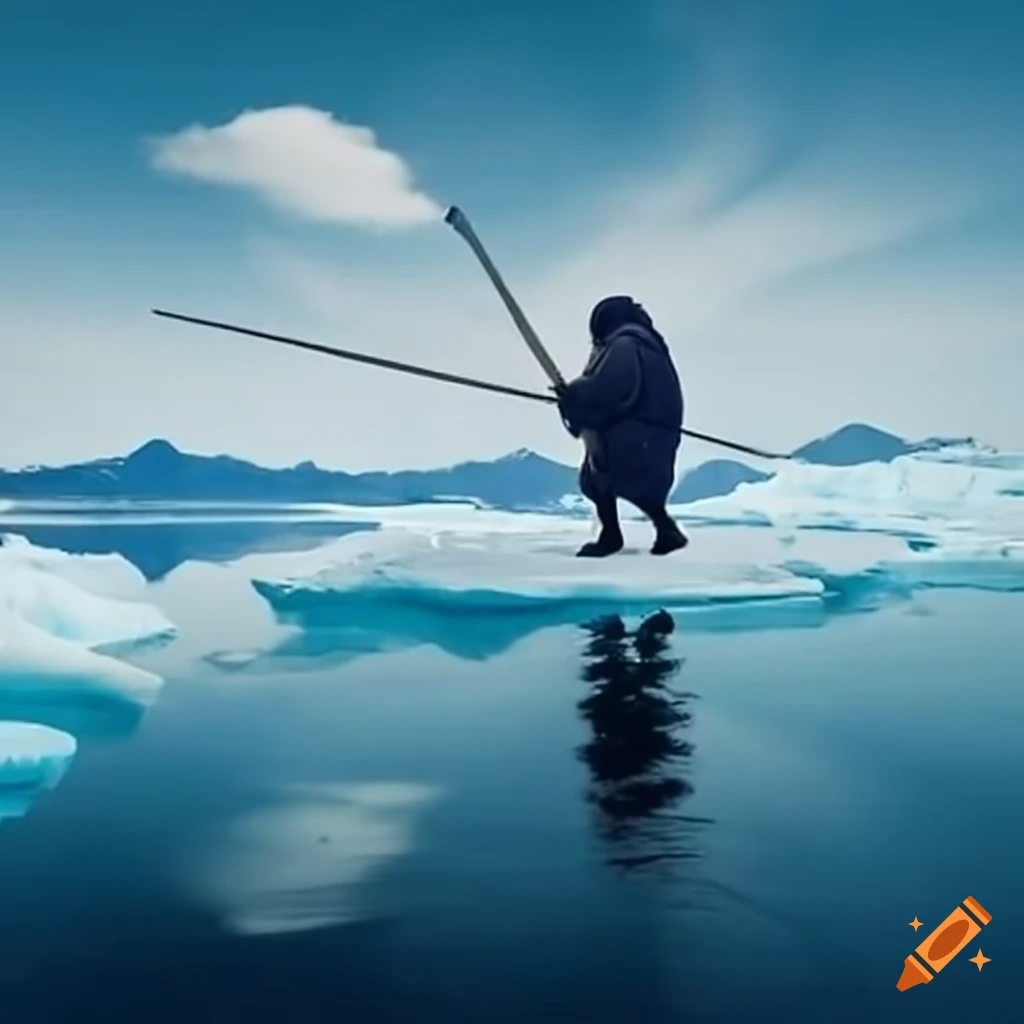
Human evolution has been impacted by so many events over millenia; events that have shaped our physical, cognitive, and cultural development. Our species has had to deal with the pressures of surviving in all manner of harsh environments and climates, which drove them to innovate, migrate, and cooperate in ways that laid the foundation for modern human societies. We can gain a deeper understanding of our evolutionay history by understanding the role that ice ages played on our species.
Podcast Episode 90 l Our two cousins: A neanderthal and an orangutan
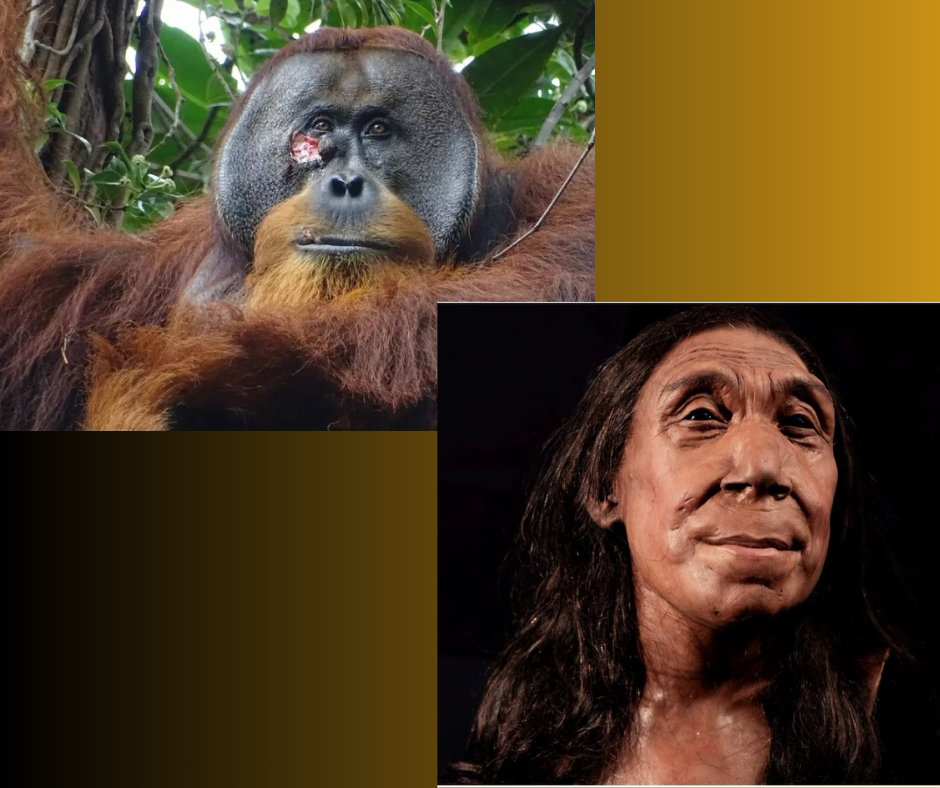
We are discussing two different amazing news items in today’s podcast. We have the reconstruction of the face of a 75,000-year-old female Neanderthal and then we learn about an orangutan who healed itself with a medicinal plant.
The first Europeans were in Ukraine 1.4 million years ago
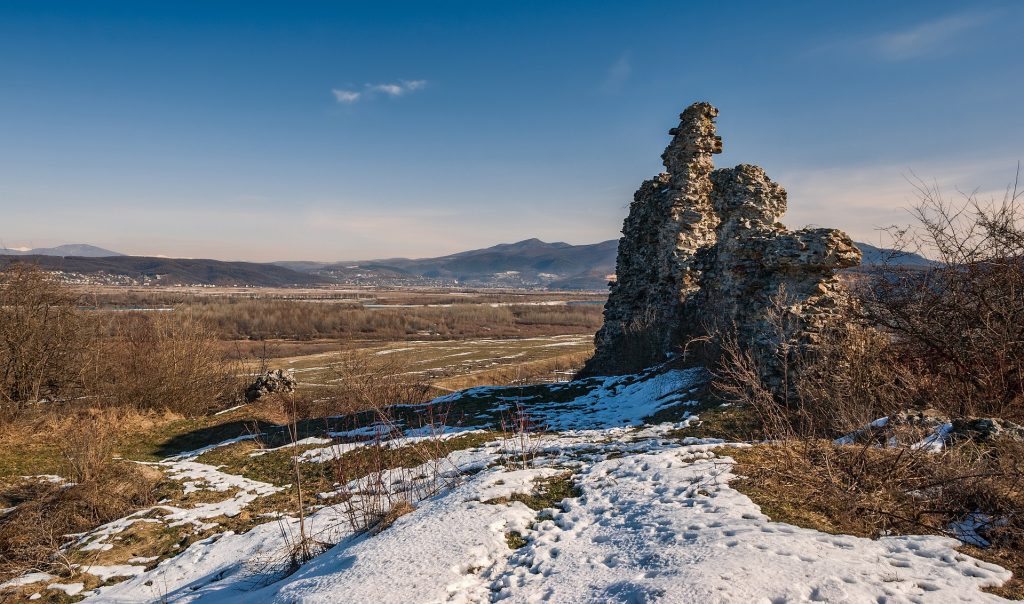
The first Europeans were in Ukraine 1.4 million years ago, at a site on the Tysa River in western Ukraine known as Korolevo. according to a new analysis.
New fossil dating techniques change human evolution timeline
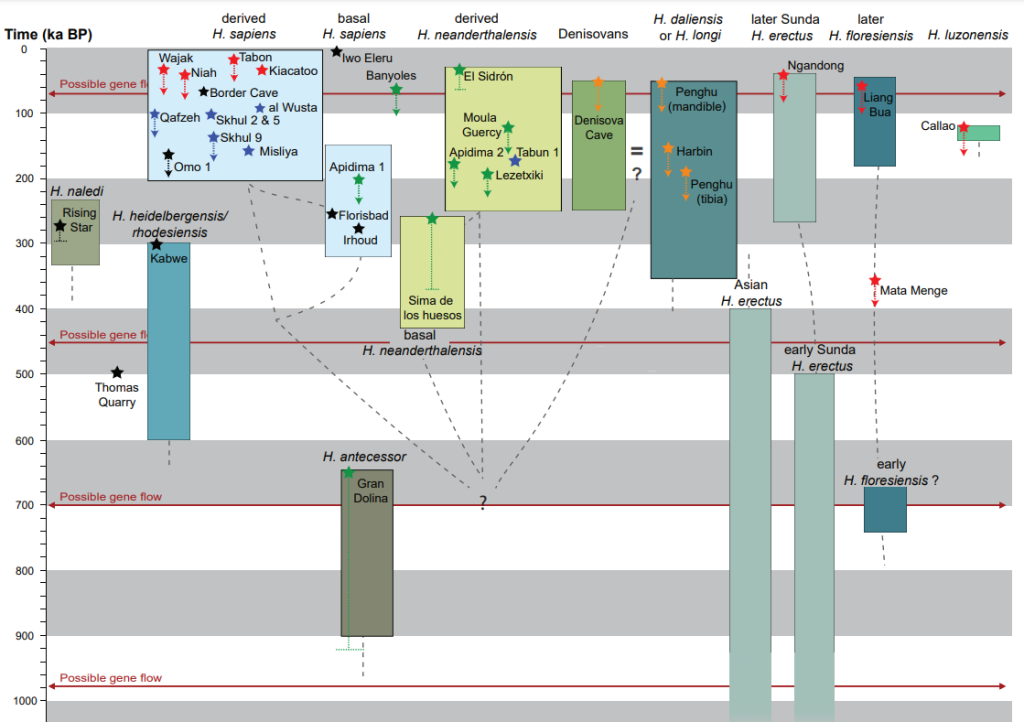
New fossil dating techniques have been used that have changed the human evolution timeline from what we had previously thought.
A new name for an ancient human l Homo bodoensis

Scientists have recently given a new name to one of our ancient direct human ancestors calling it Homo bodoensis. This species of hominin lived during the Middle Pleistocene (now called Chibanian) between 774,000-129,000 years ago. The scientists reassessed existing fossils of Homo rhodesiensis and Homo heidelbergensis from Africa and Eurasia from this period.
Podcast Episode 37 l Ancient Humans and Ancient Stars
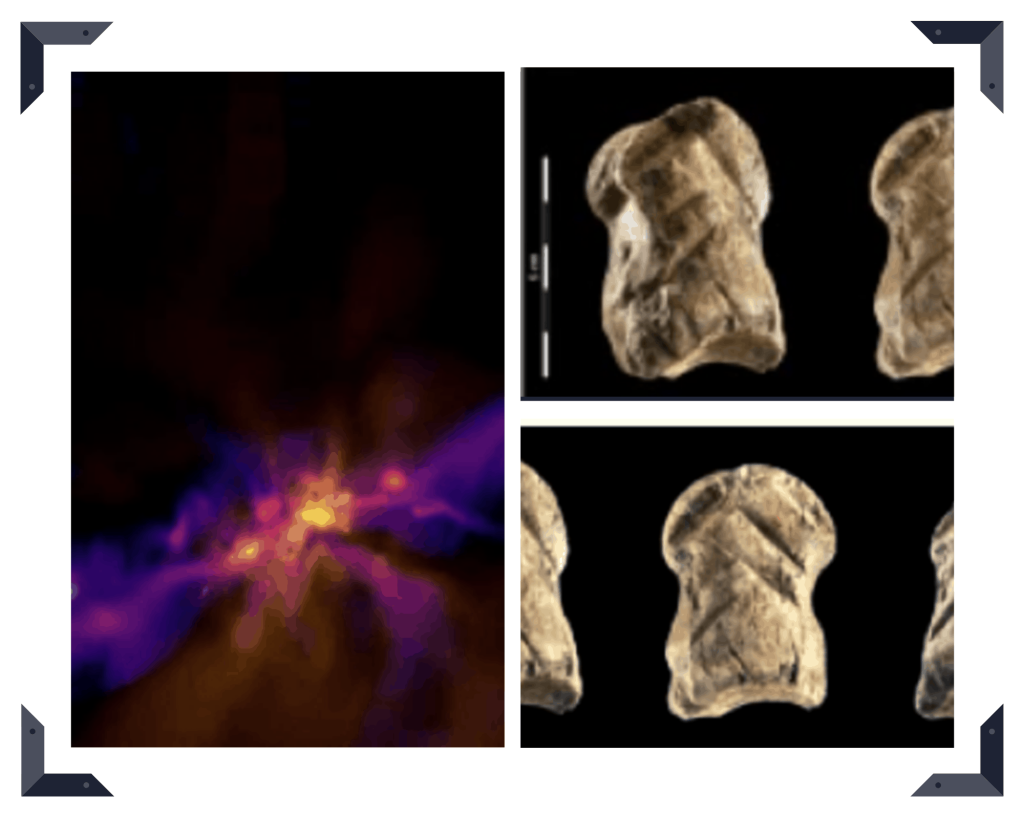
We are talking about two things today, one from thousands of years ago and the other millions of years. First we talk about ancient carvings made by Neanderthals, and then about the age of the oldest stars in the Universe.