
Podcast Episode 95 l How many moons does the Earth have?
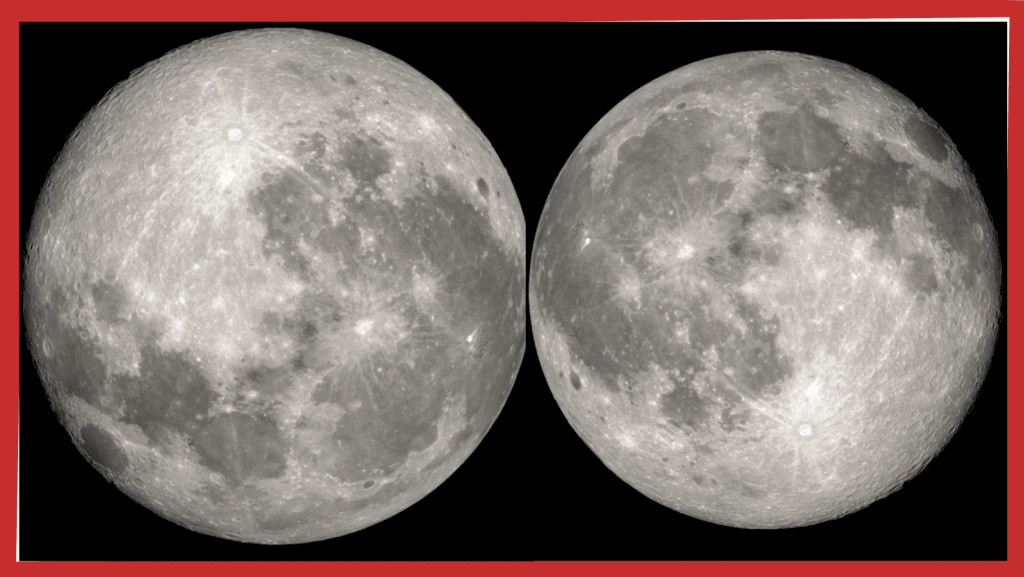
Technically, Earth has only one Moon. But here is the interesting thing. Over millions of years, the number of moons has varied. We talk about their story in this episode.
Does the Earth have more than one Moon?

We wonder if the Earth has more than one Moon in this new 360 on History blog post discussing the number of satellites that have orbited our planet & considered “moons”.
Podcast Episode 87 l How the moon was formed
Scientists have now answered the questions of how the moon was made in this New Simulation, showing that it formed very quickly after impact with another body called Theia. In this podcast we talk about the Moon, its structure and our fascination with it, as well as the new study.
How the moon was made l New Simulation

Scientists have now answered the questions of how the moon was made in this New Simulation, showing that it formed very quickly after impact with another body called Theia.
Podcast Episode 69 l What exactly is a super blue moon?

Stargazers were able to Witness Rare Blue Super Moon in August 2023. The next blue super moon will be in 2037, so this one was a very rare sighting. But what exactly is a super blue moon? And what is our fascination with our only satellite?
This 2,000 year old mechanism is the first computer ever
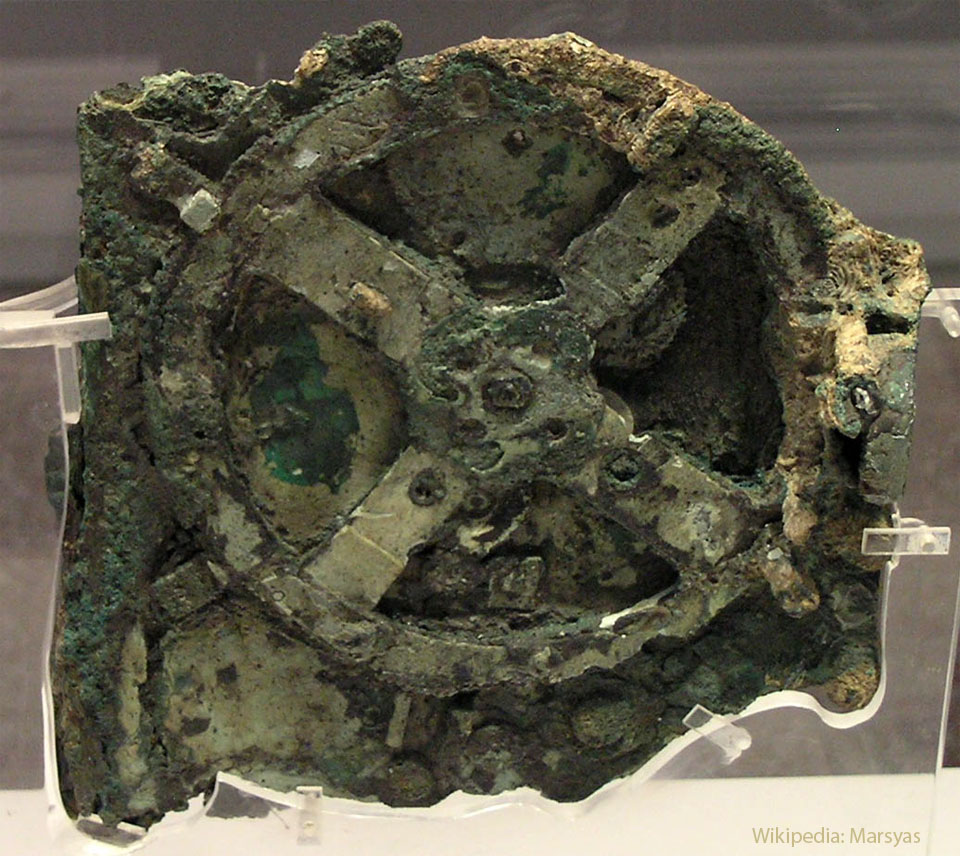
This 2,000 year old mechanism is the first computer ever and it is known as the Antikythera Mechanism found on an ancient Greek ship in 1901
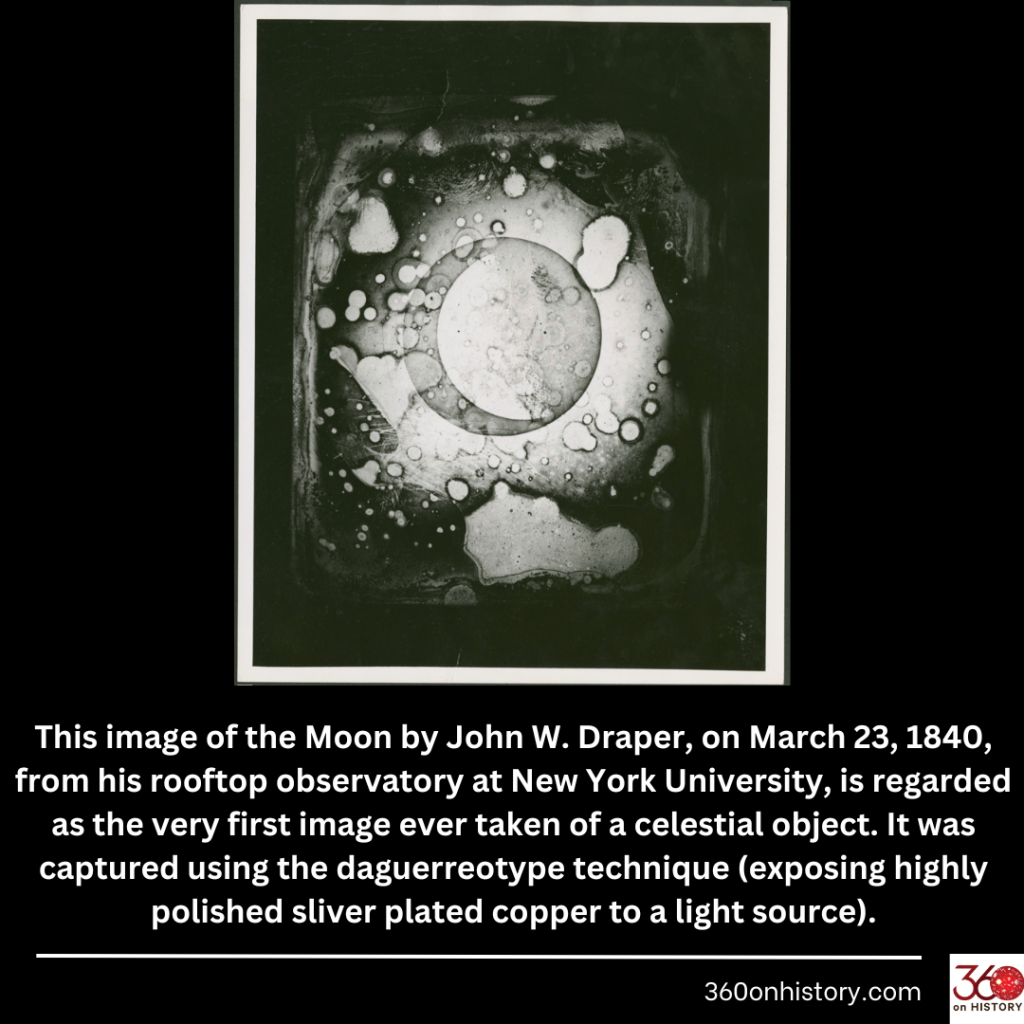
First Ever Image of the Moon
Meet Saturn’s Spongy Moon Hyperion
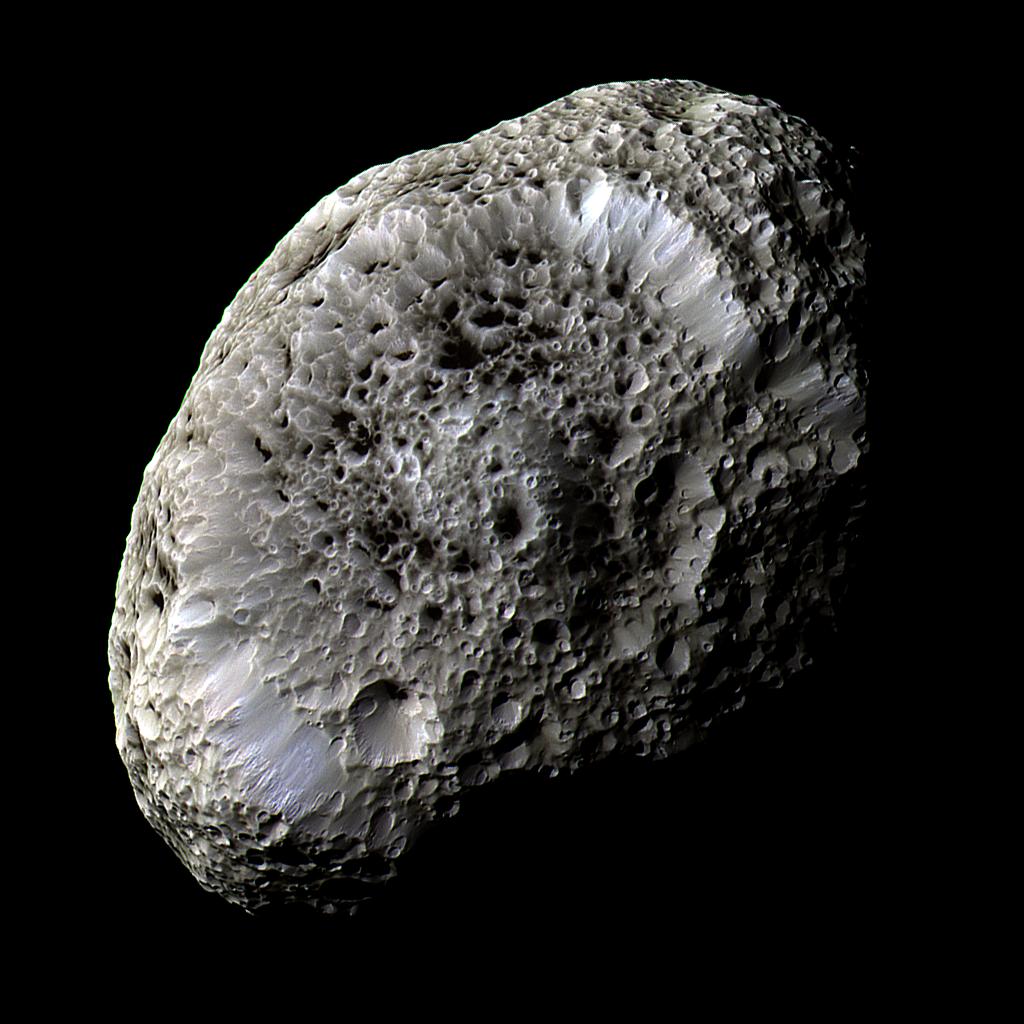
Meet Saturn’s Spongy Moon Hyperion, discovered in 1848 by William Lassell. It is the largest of Saturn’s irregular, nonspherical moons.
They say we know more about the Moon than about the deep sea. They’re wrong
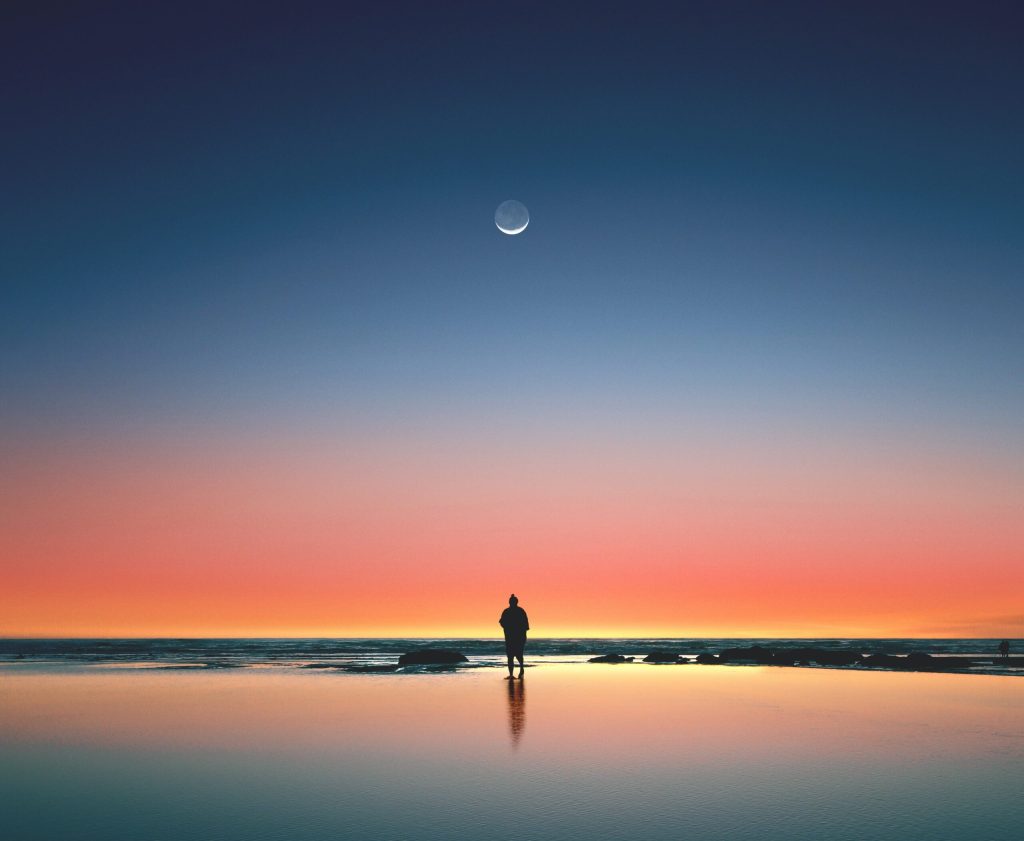
They say we know more about the Moon than about the deep sea. They’re wrong, 23.5 percent of the ocean has been explore, 3 times the surface of the moon.
Our planet just just had its shortest day
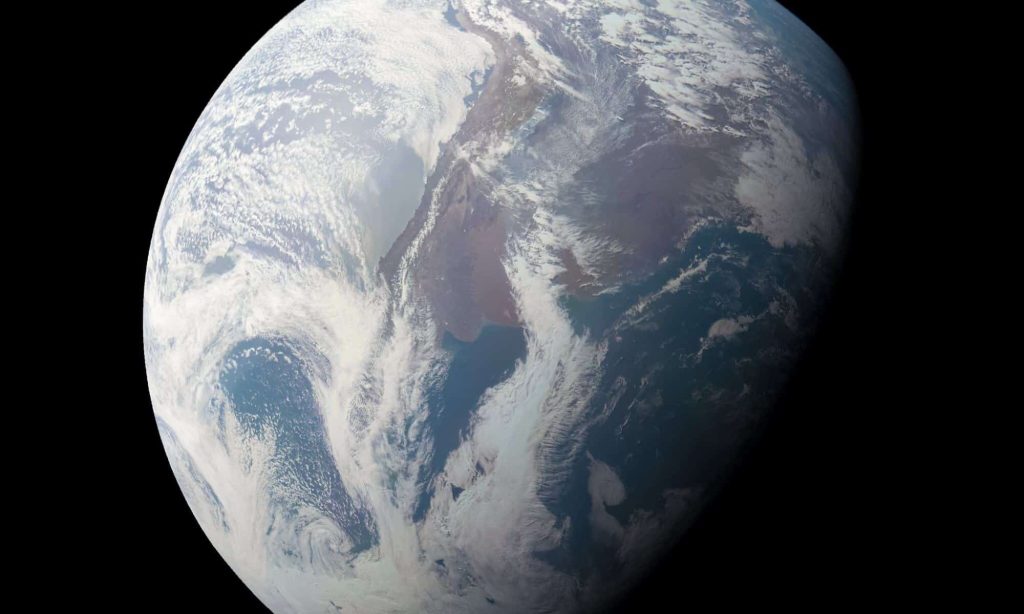
Our planet just just had its shortest day. It was in June 2022 and was the shortest since accurate daily measurements using atomic clocks began in the 1960s.