
Two Images of A Hidden Sun
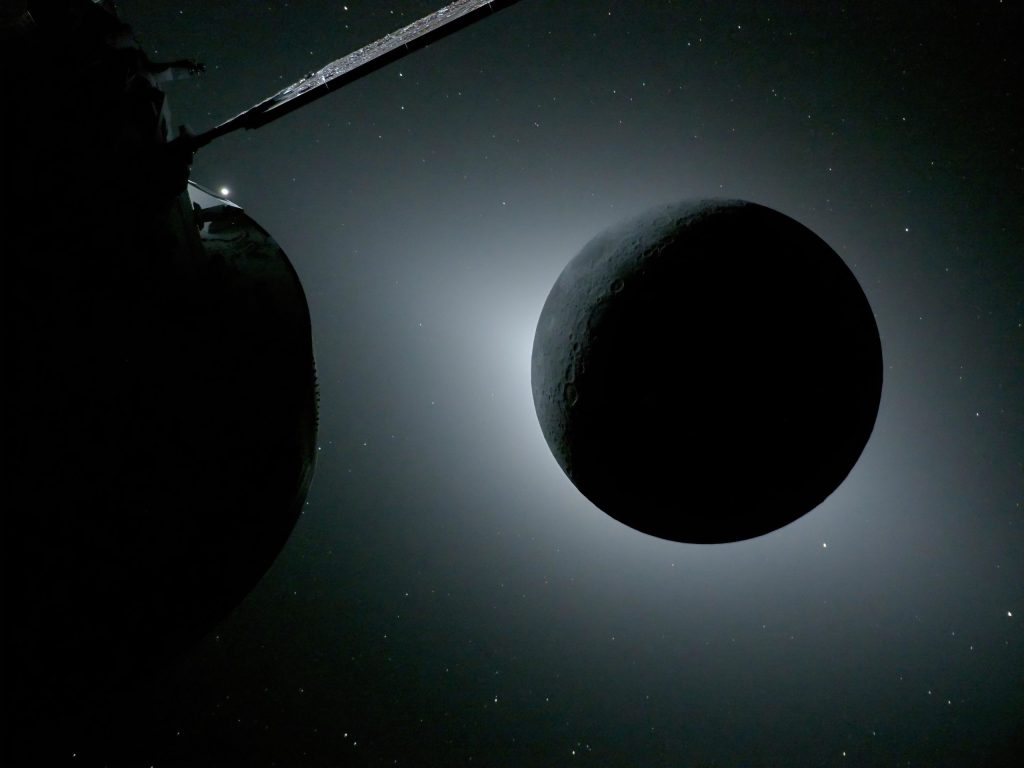
Two Images of A Hidden Sun, one with the Earth hiding it and the other with the Moon.
Meet the far side of the Moon
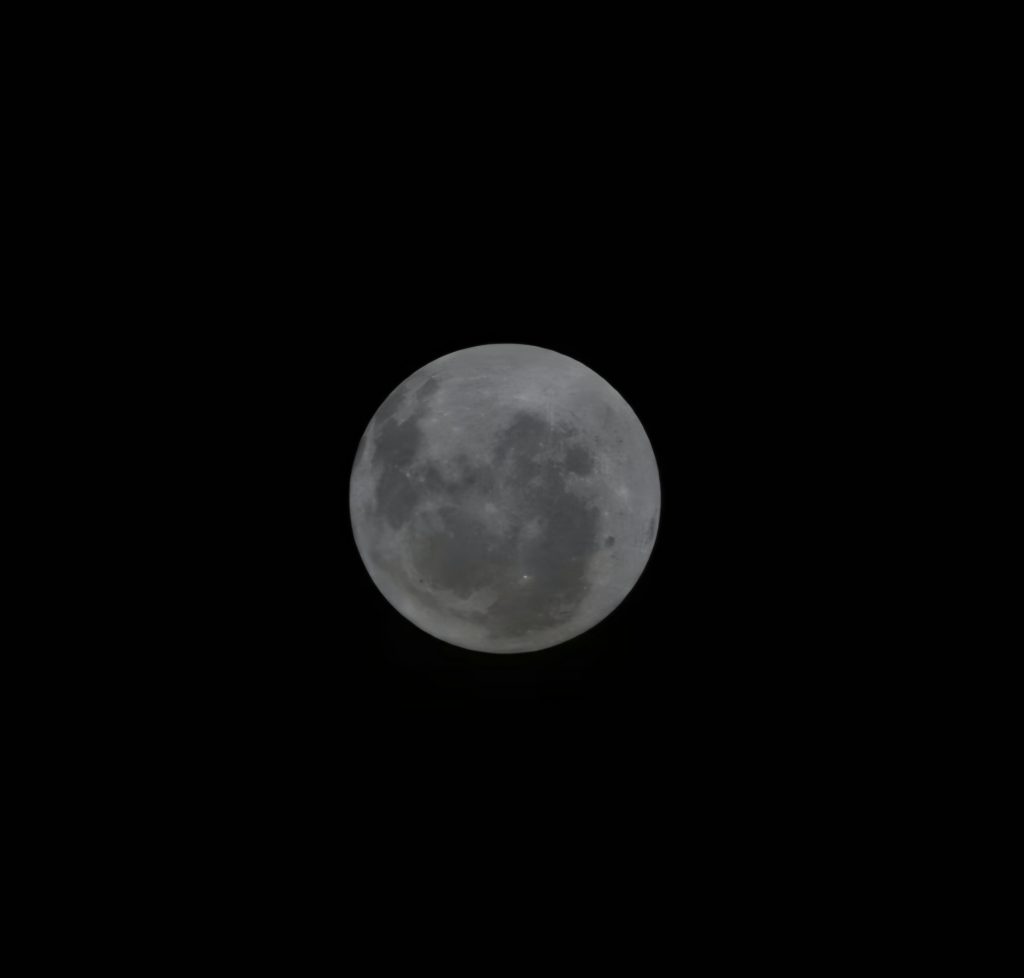
Meet the far side of the Moon, captured in this image by humans on the Artemis II IN April 2026
Back to the Moon: Artemis II Launch
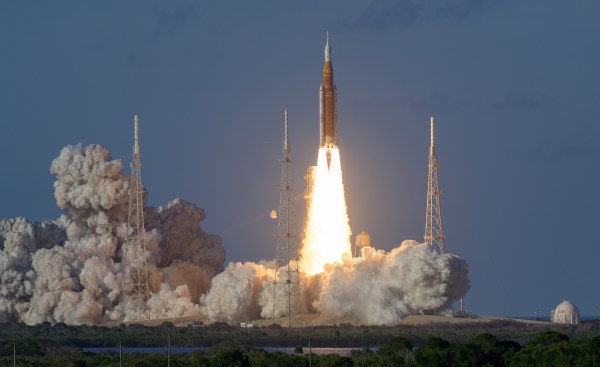
NASA has launched four astronauts on a pioneering journey around the moon—the Artemis II mission.
Rare Images of Mars’ Moon Deimos

Hera spacecraft made a remarkable achievement by capturing rare images of Deimos, one of Mars’ two moons.
Podcast Episode 116 l Saturn’s Irregular Moon, Phoebe
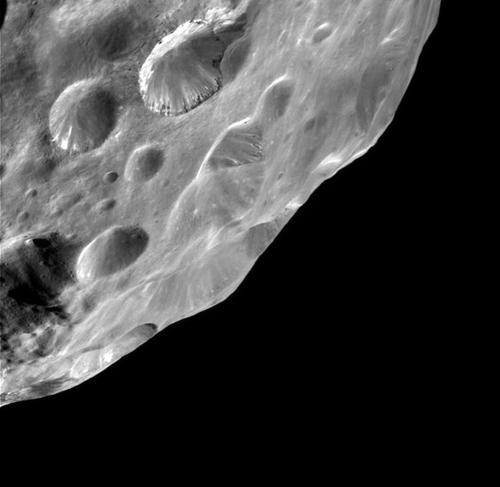
Phoebe, Saturn’s largest irregular moon, was discovered in 1899. Orbiting in the opposite direction of Saturn’s rotation, Phoebe is believed to be a captured icy body from the Kuiper Belt. Cassini’s 2004 flyby revealed its dark surface and icy layers. Phoebe also contributes to Saturn’s Phoebe Ring and Iapetus’ two-tone appearance.
Phoebe: Saturn’s Unusual Moon
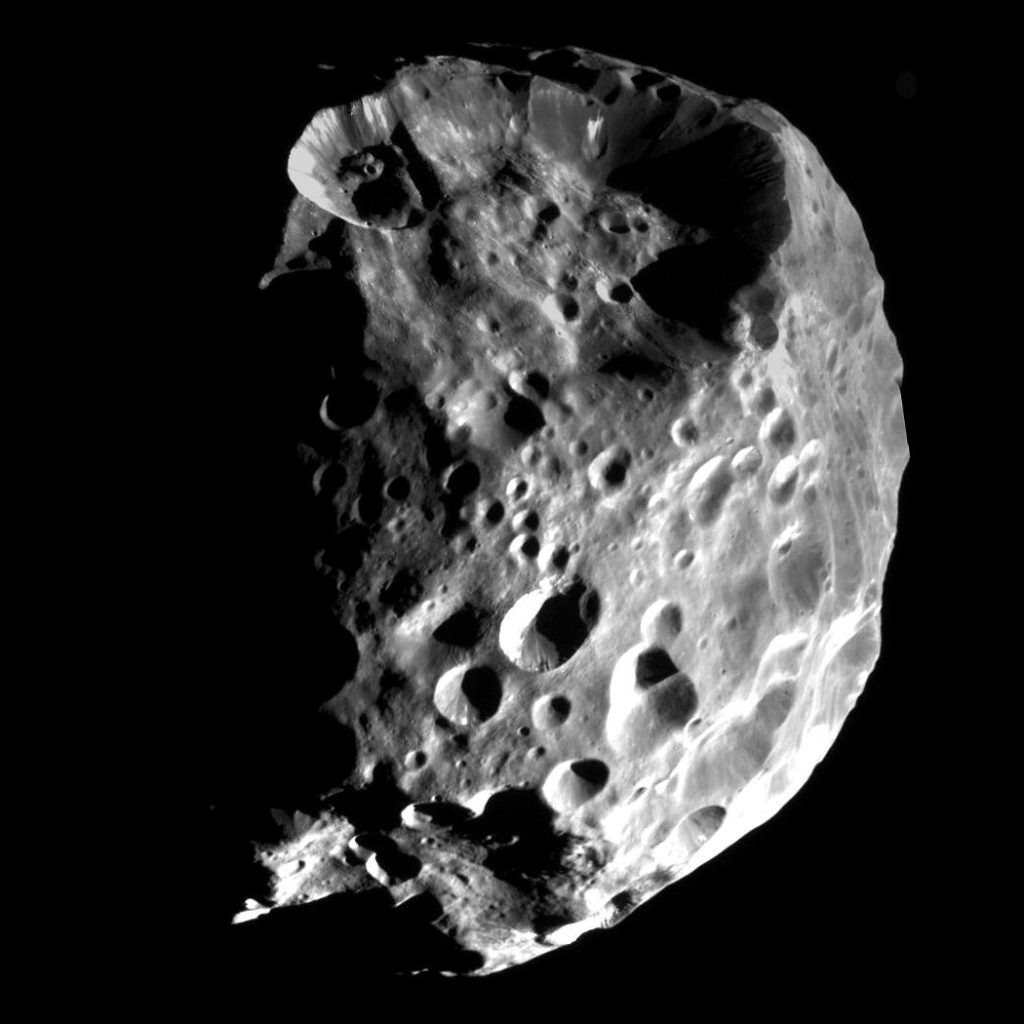
Phoebe, Saturn’s most massive irregular moon, was discovered in 1899. Likely a captured centaur from the Kuiper Belt, it has a dark surface with ice beneath. Phoebe contributes debris to Saturn’s rings and affects Iapetus’ two-tone coloring.
Iapetus – Saturn’s Moon of Two Colours

Iapetus is one of Saturn’s most intriguing moons, known for its striking two-tone appearance, with one hemisphere dark and the other bright. It has a highly inclined and slightly eccentric orbit, making it stand out among Saturn’s moons. The moon also features a unique equatorial ridge, giving it the appearance of a walnut.
Earth will get a new mini moon this month

Earth will get a new mini moon this month, which will join us on September 29 and stay for around two months.
China’s Chang e rover detects water molecules on the Moon

China’s Chang e rover detects water molecules on the Moon, in a sample of rock retrieved in 2020 and brought back to Earth
Scientists found lava caves on the Moon
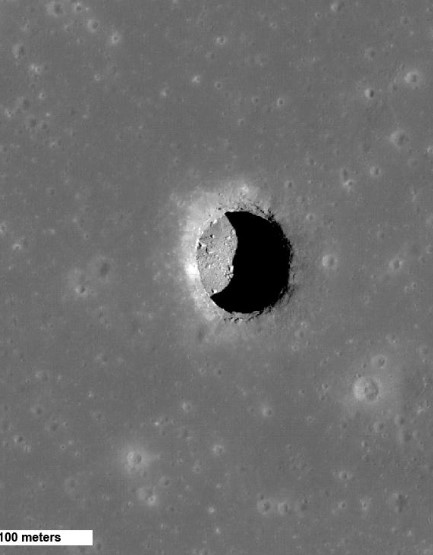
Scientists found lava caves on the Moon, a milestone in lunar research and with important implication for future lunar exploration by humans