
2023 was the warmest year on record – NASA Analysis

2023 was the warmest year on record according to a NASA Analysis that also says that the past 10 consecutive years have been the warmest 10 on record.
Webb finds the smallest free-floating brown dwarf
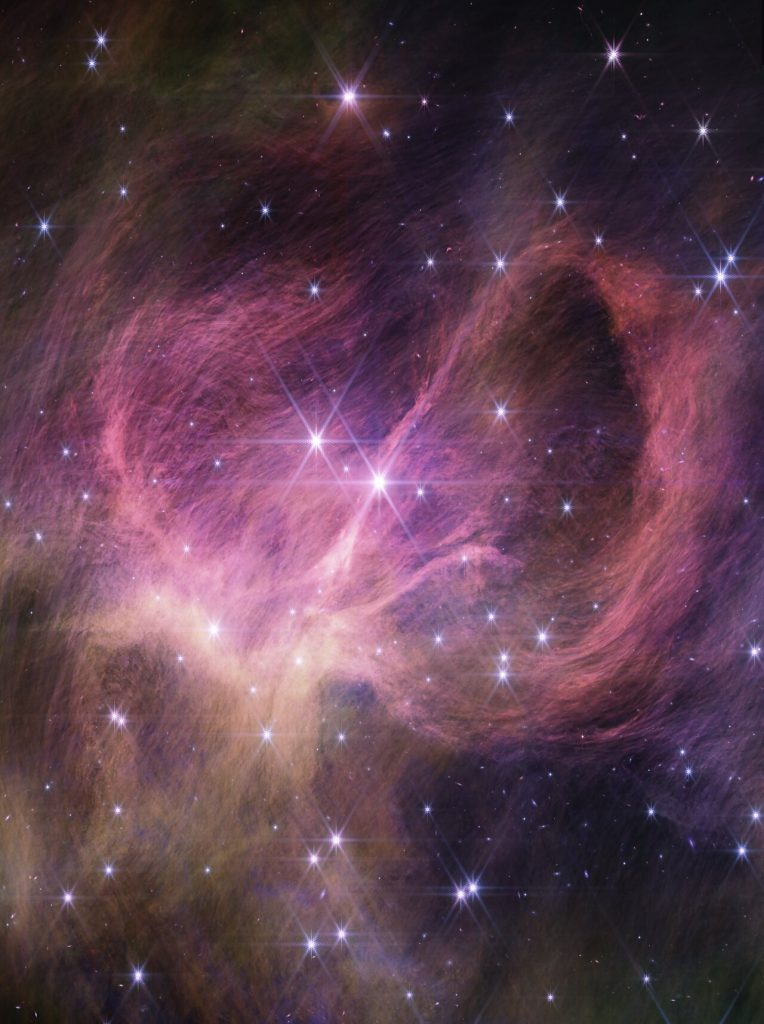
Webb finds the smallest free-floating brown dwarf, which are also known as failed stars. Scientists imaged the centre of a cluster using Webb’s NIRCam and find three brown dwarfs.
Nasa’s Lucy spacecraft discovers asteroid and its tiny moon during flyby
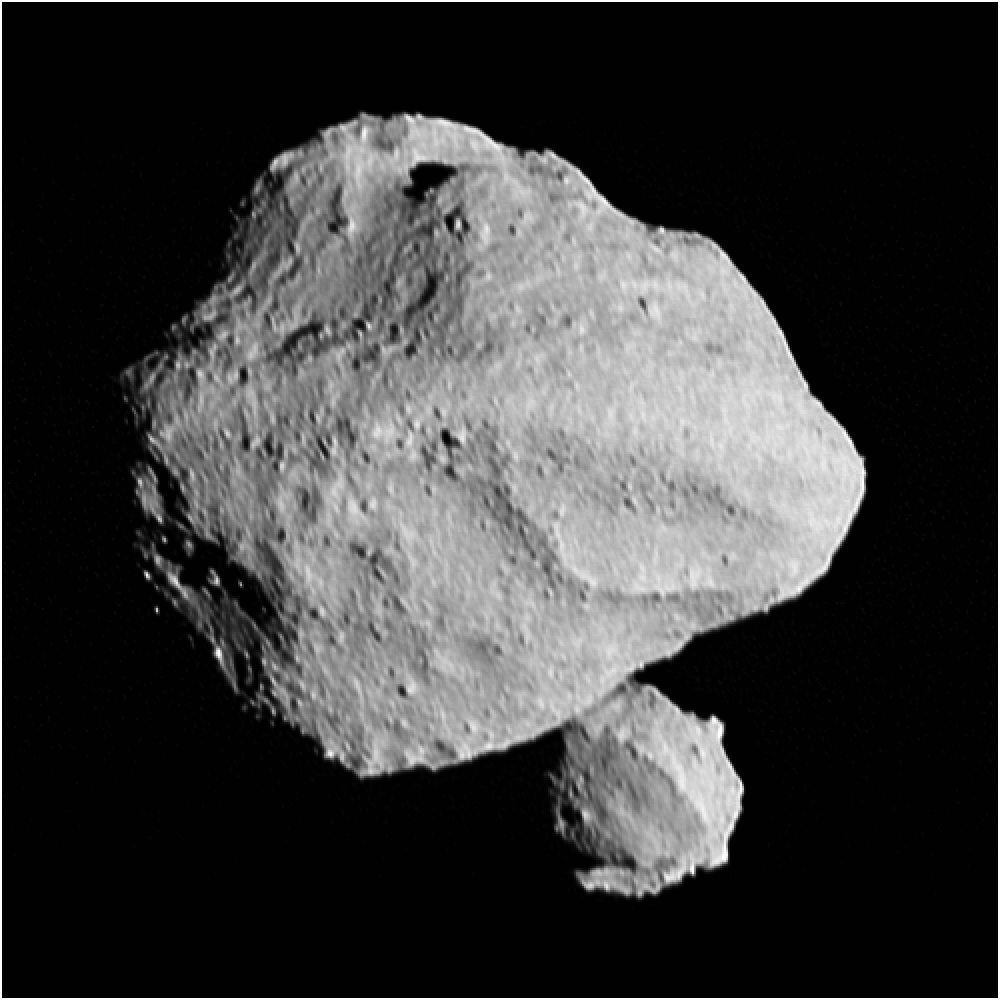
On Nov. 1, NASA’s Lucy spacecraft flew by not just its first asteroid, but its first two. The first images returned by Lucy reveal that the small main belt asteroid Dinkinesh is actually a binary pair.
OSIRIS-REx Samples from Asteroid Bennu Revealed
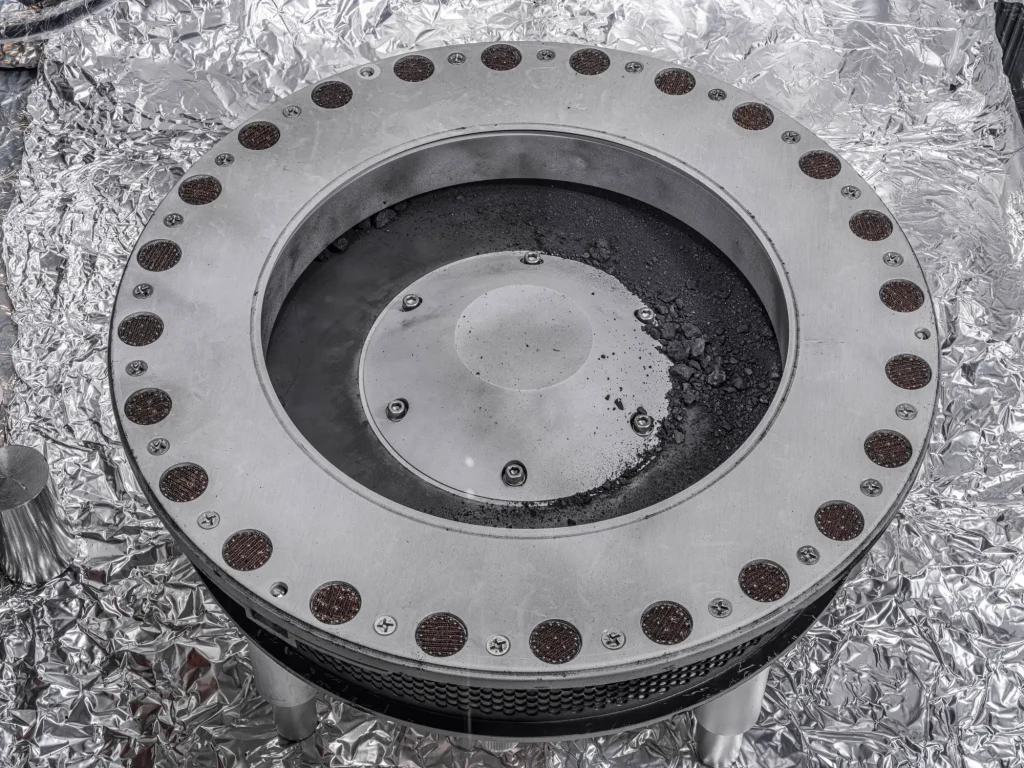
OSIRIS REx Samples from Asteroid Bennu have been Revealed by NASA and show evidence of high-carbon content and water, the building blocks of life.
Hubble spots boulder debris ejected by asteroid impact mission
![The bright white object at lower left is the asteroid Dimorphos. It has a blue dust tail extending diagonally to the upper right. A cluster of blue dots surrounds the asteroid. These are boulders that were knocked off the asteroid when, on 26 September 2022, NASA deliberately slammed the half-tonne DART impactor spacecraft into the asteroid as a test of what it would take to deflect some future asteroid from hitting Earth. Hubble photographed the slow-moving boulders in December 2022.] Credit: NASA, ESA, D. Jewitt (UCLA)](https://360onhistory.com/wp-content/uploads/2023/07/heic2307a-1024x910.jpg)
Astronomers have discovered a swarm of boulders ejected from asteroid Dimorphos after it was impacted by the DART spacecraft. The 37 boulders, which range in size from 1 meter to 6.7 meters across, were spotted by the Hubble Space Telescope. They are drifting away from the asteroid at around one kilometer per hour.
Spacecraft Takes 12-Year Time-Lapse Movie of Entire Sky To Create Mosaic
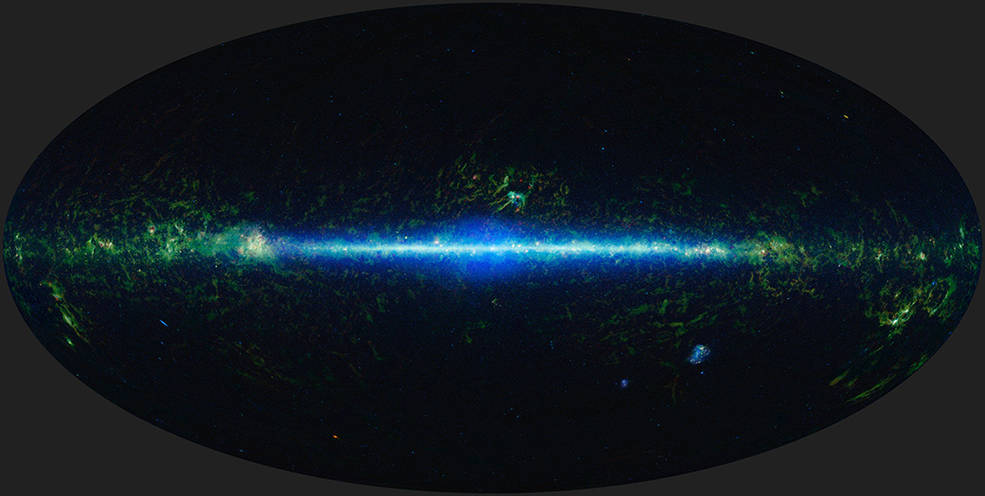
This brilliant image is a mosaic composed of images covering the entire sky, taken by the Wide-field Infrared Survey Explorer (WISE) as part of WISE’s 2012 All-Sky Data Release. By observing the entire sky, WISE can search for faint objects, like distant galaxies, or survey groups of cosmic objects.
NASA’s Swift, Fermi Missions Detect Exceptional Cosmic Blast
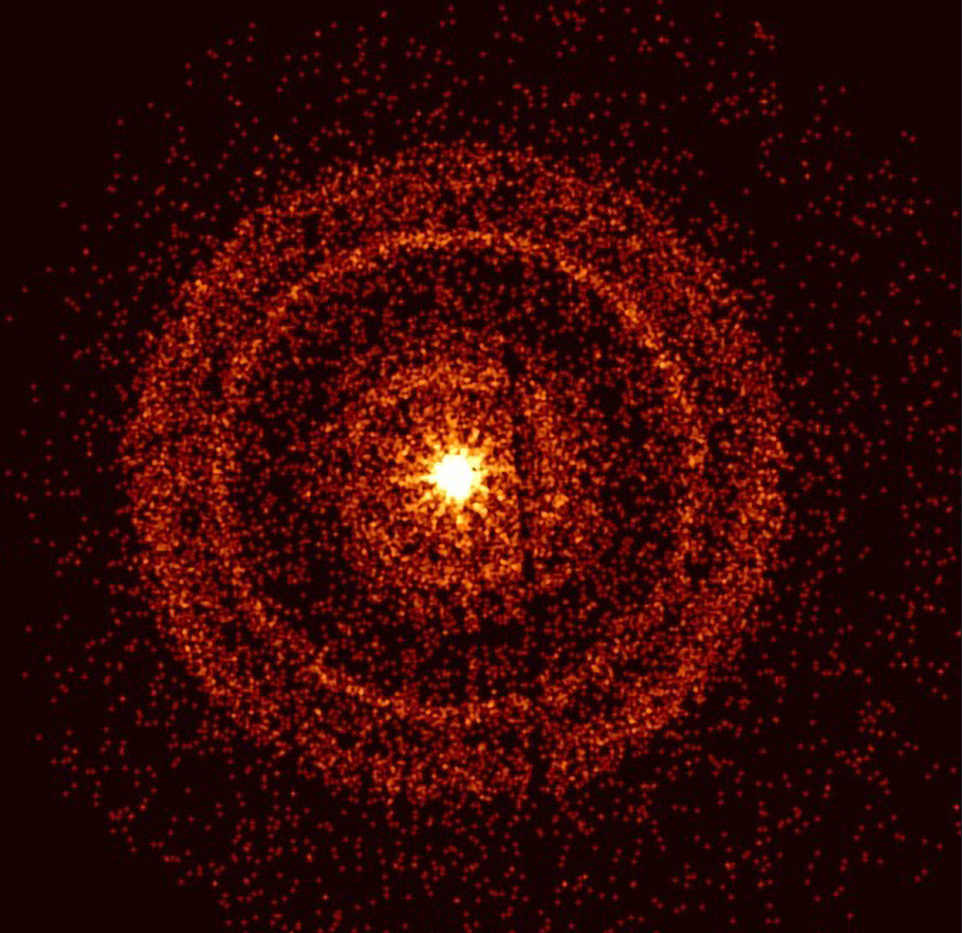
NASA’s Swift, Fermi Missions Detect Exceptional Cosmic Blast as a gamma-ray burst (GRB) – the most powerful class of explosions in the universe visited us. Astronomers think it represents the birth cry of a new black hole, one that formed in the heart of a massive star collapsing under its own weight.
NASA deliberately crashed a spacecraft with a small asteroid and altered its course!
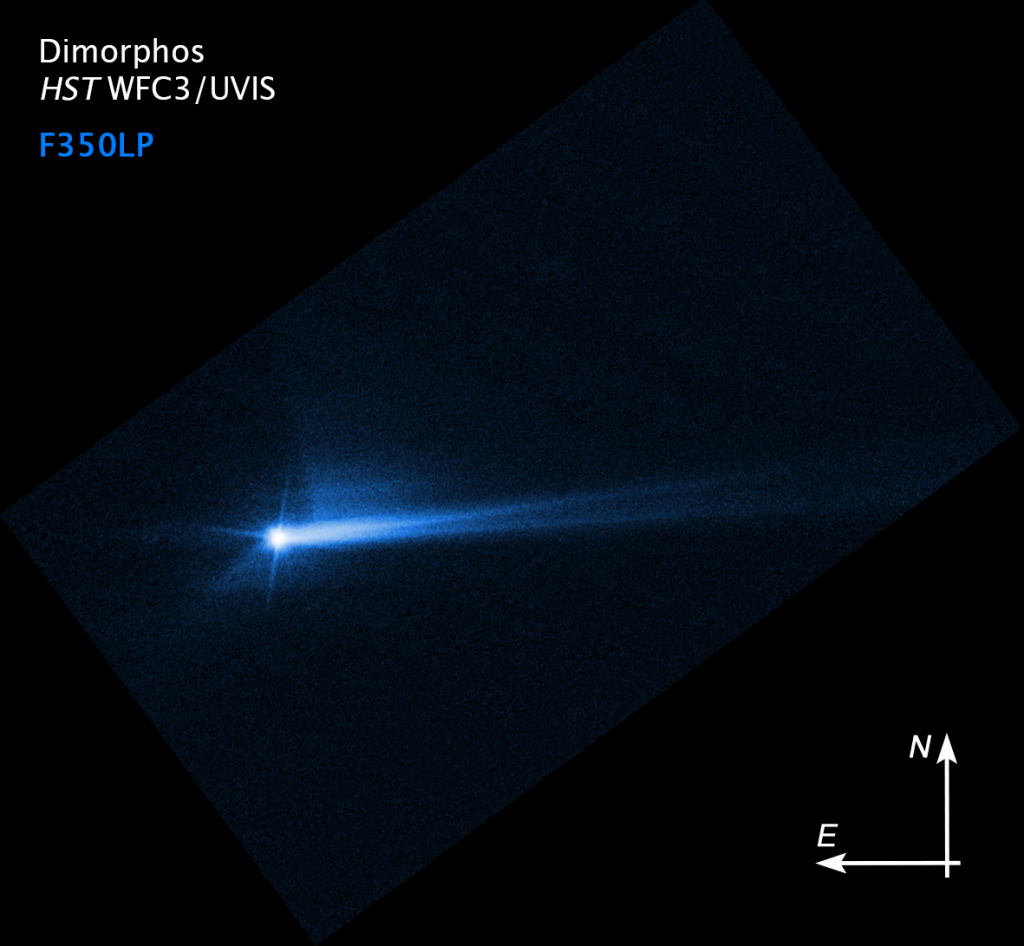
On September 26, 2022 NASA deliberately crashed a spacecraft with a small asteroid and altered its course!, as part of its planetary defence system.
NASA’s InSight ‘Hears’ Its First Meteoroid Impacts on Mars
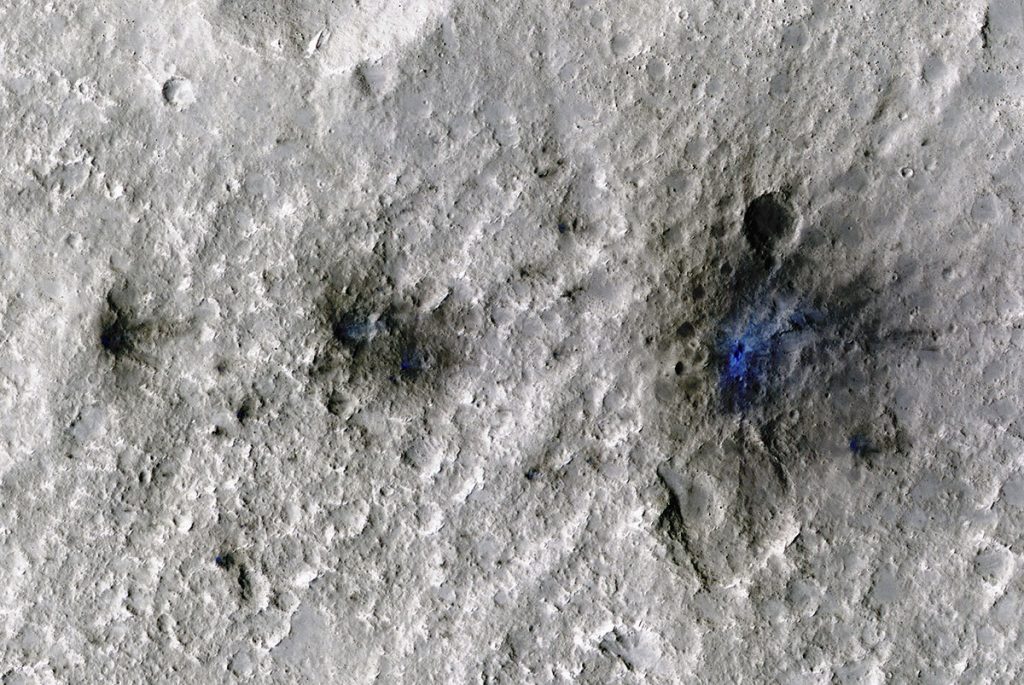
NASA’s InSight lander has detected seismic waves from four space rocks that crashed on Mars in 2020 and 2021.
Ingenuity Mars Helicopter’s Record Breaking Flight

This video imagery was acquired by the navigation camera aboard NASA’s Ingenuity Mars Helicopter during its 25th flight on April 8, 2022. Covering a distance of 2,310 feet (704 meters) and at a speed of 12 mph (5.5 meters per second), it was the Red Planet rotorcraft’s longest and fastest flight to date.