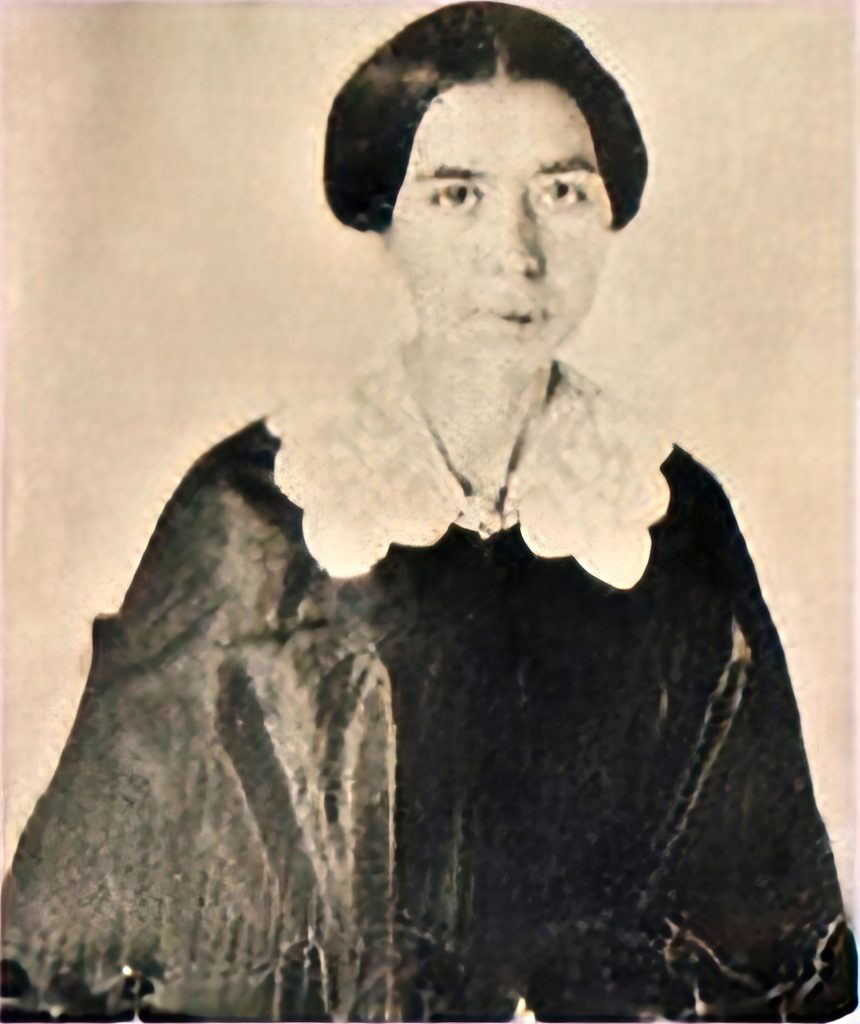
The most widely known example of a supposed American vampire is Mercy Brown, whose case in Rhode Island in 1892 fueled a New England vampire panic. However, earlier instances of vampire beliefs in America, though not necessarily labeled as “vampires,” existed before Mercy.
The belief that tuberculosis was caused by vampires was prevalent in New England during the 18th and 19th centuries. This belief led to the exhumation of family members, and in some cases, the burning of their hearts, in an attempt to ward off the perceived vampire influence.
After Mercy’s death, when her family members started getting sick (from tuberculosis) and dying, it was believed that she was a vampire and was killing them.
In 1892, Mercy Brown’s body was exhumed in Exeter, Rhode Island, and was said to be well-preserved, leading to speculation that she was a vampire responsible for the deaths in her family.
Her heart was burned as part of a superstitious ritual. The ashes were then mixed with water and given to her brother, Edwin, who was also sick, in an attempt to cure him and stop the perceived influence of the undead. He died anyway.
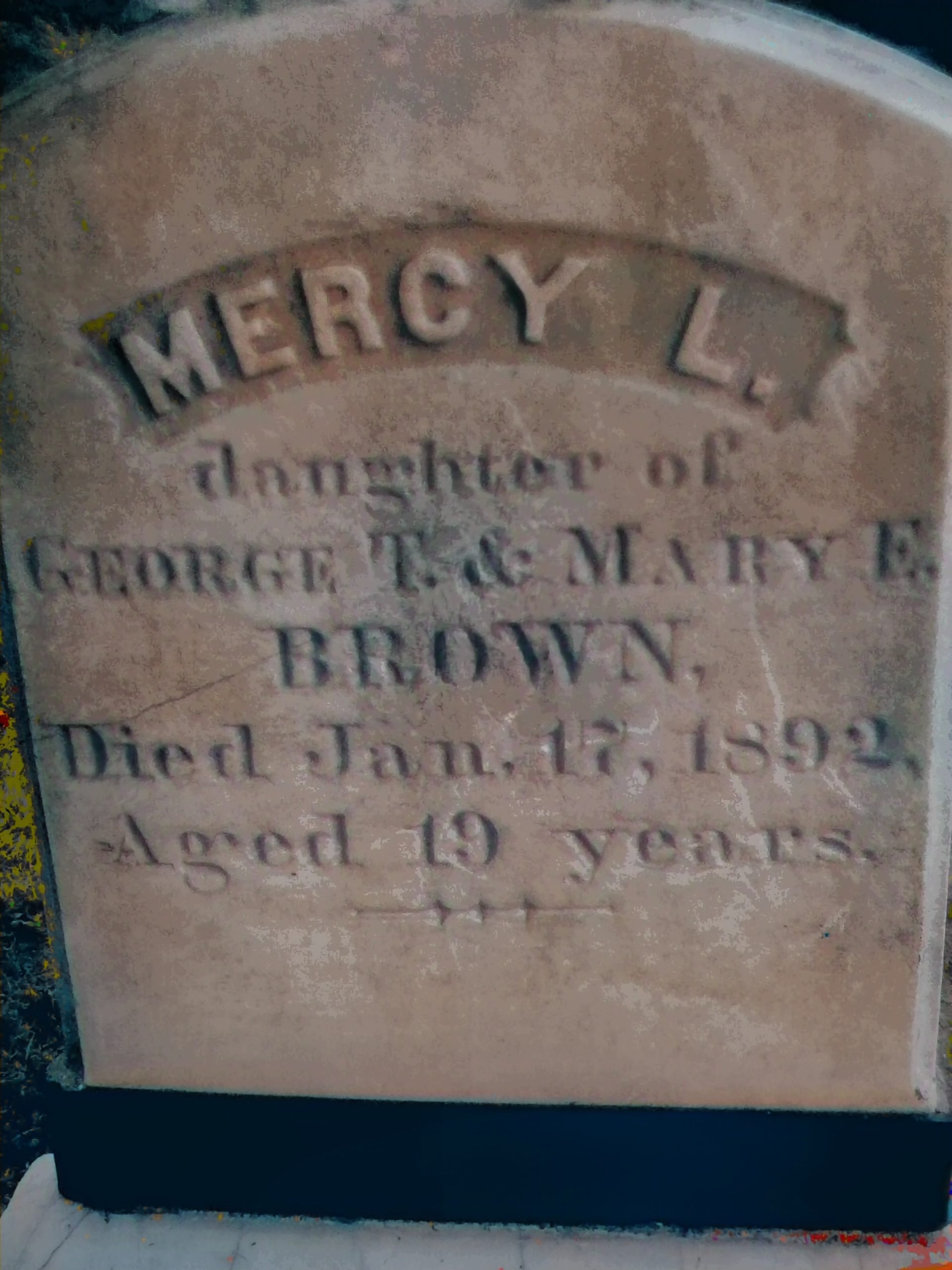
This event became a prominent example of the New England vampire panic, a period of widespread belief in vampires and their role in the spread of disease.
Before Mercy Brown’s case, there were other documented instances of suspected vampirism, including the exhumation of Sarah Tillinghast in 1799. These cases highlight the historical context of vampire beliefs in early America, which were rooted in fear of disease and the unexplained nature of death.