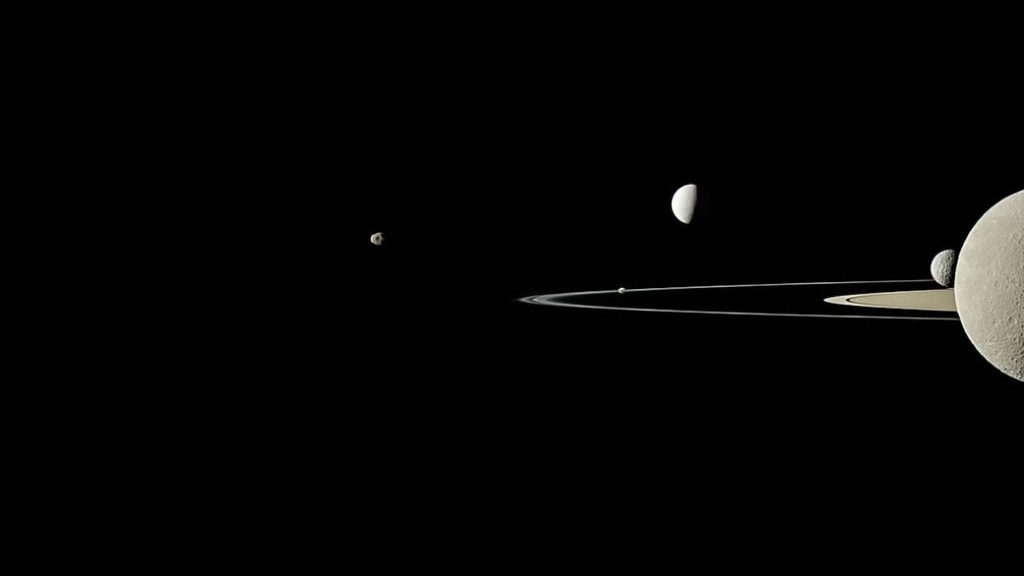
Video with amazing images and videos of Saturn, its moons and rings captured by Cassini in its 13 years orbiting the sytem
Let’s talk about a very exceptional space mission and one of my favourites. On October 15, 1997, the Cassini space probe was launched. Its objective was to study the most magnificent planet in our solar system, Saturn, and its rings and moons. Called the Cassini-Huygens Space Research Mission, in addition to NASA’s Cassini probe, it included the European Space Agency’s Huygen’s lander, which was to land on Saturn’s largest moon, Titan, also the second largest moon in the solar system. Cassini was the fourth probe to visit Saturn (after Pioneer 11 and Voyagers 1 and 2) and the first to enter its orbit. This was one of the most ambitious efforts in space exploration ever mounted and was conducted jointly by three space agencies: NASA, the European Space Agency and the Italian Space Agency.

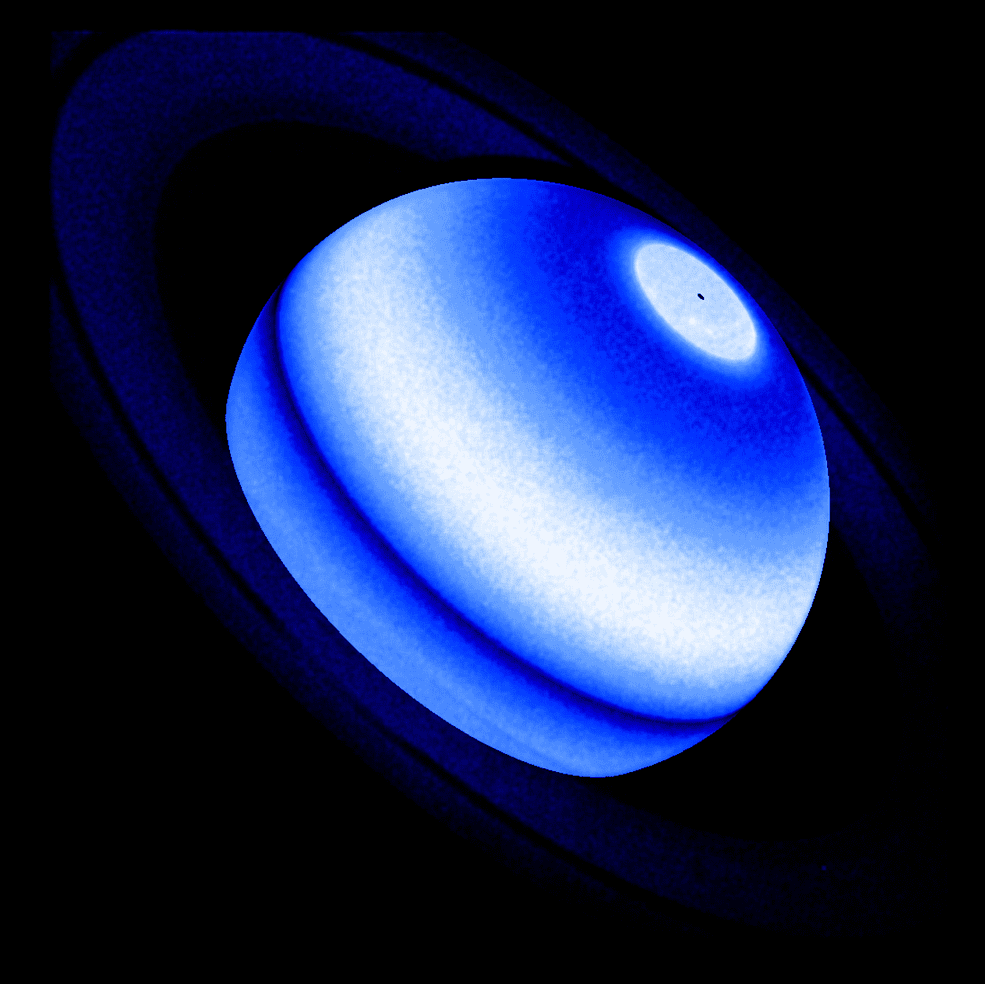
Credits: NASA, ESA, Lotfi Ben-Jaffel (IAP & LPL)
The spacecraft, launched aboard a Titan IVB/Centaur rocket, was 6.8 meters (22 ft) high and 4 meters (13 ft) wide. It was powered by 32.7 kg of plutonium 238 – the heat from the material’s radioactive decay was turned into electricity. The lander Huygens was supported by Cassini during cruise, but used its own chemical batteries when independent. A host of instruments were on board, including optical and microwave remote sensing spectrometers, as well as dust analysers, plasma spectrometer, magnetometer and radar.
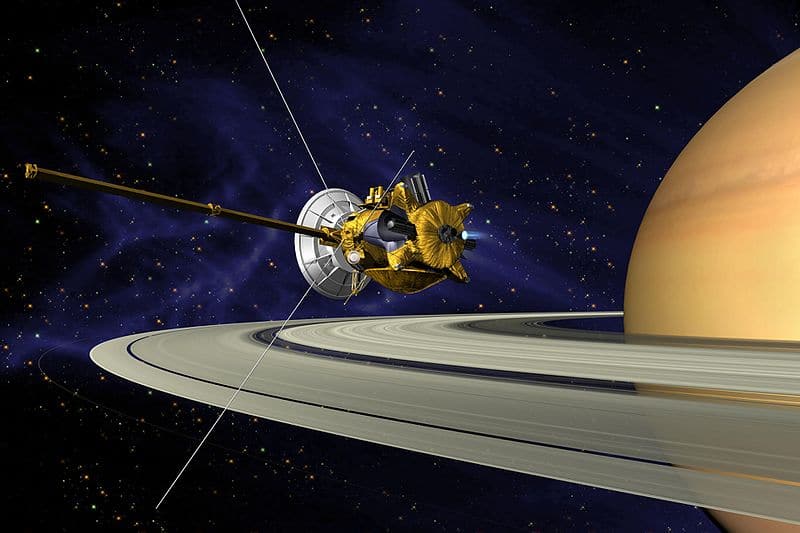
Telemetry is extremely important for such missions because without it there would be no data return. This is basically collection of data at a remote location like Saturn and its automatic transmission to receivers, for monitoring and analysis. The spacecraft was capable of transmitting in several different telemetry formats. AND just for a little bit of fun – as well as science communication – it contained a DVD with 616,400 signatures from citizens in 81 countries, collected in a public campaign.
The mission reached Saturn in 2004 after various flybys of Venus, Earth, asteroid 2685 Masursky and Jupiter to help it along its way. Cassini spent 13 years orbiting and studying Saturn, providing scientists with a prodigious amount of data, the results of which are still being analysed, even though Cassini ended its mission on September 15, 2017. And while Cassini orbited Saturn, Huygens landed on Titan in 2005, the first landing ever on the moon of another planet.
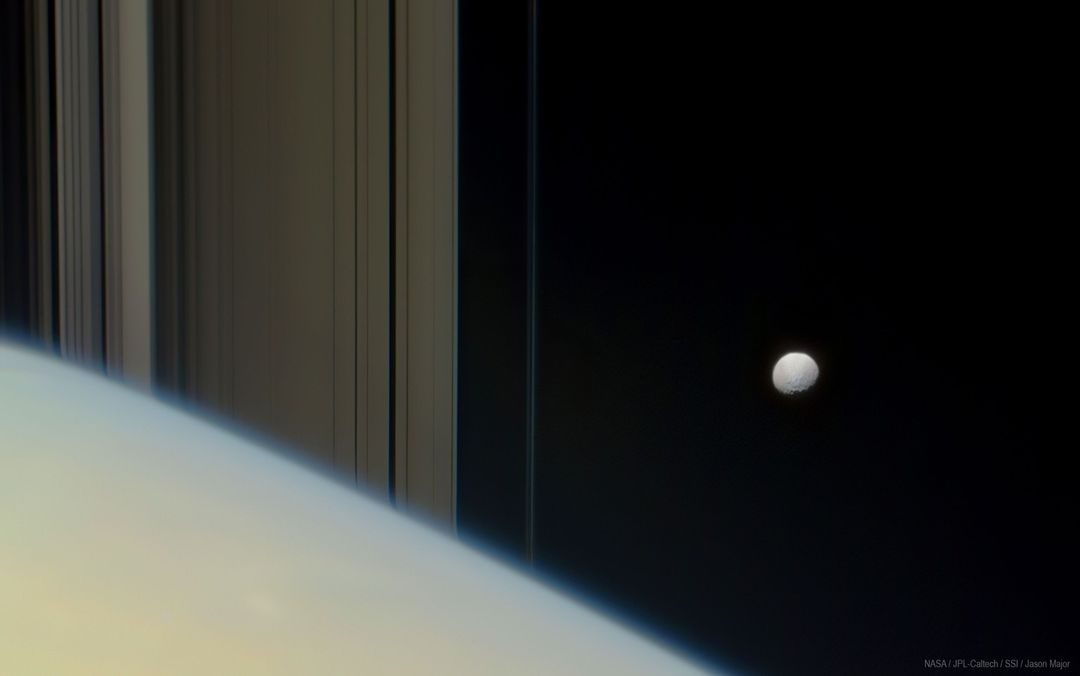
Saturn and some of its moons
Iapetus – Saturn’s Moon of Two Colours
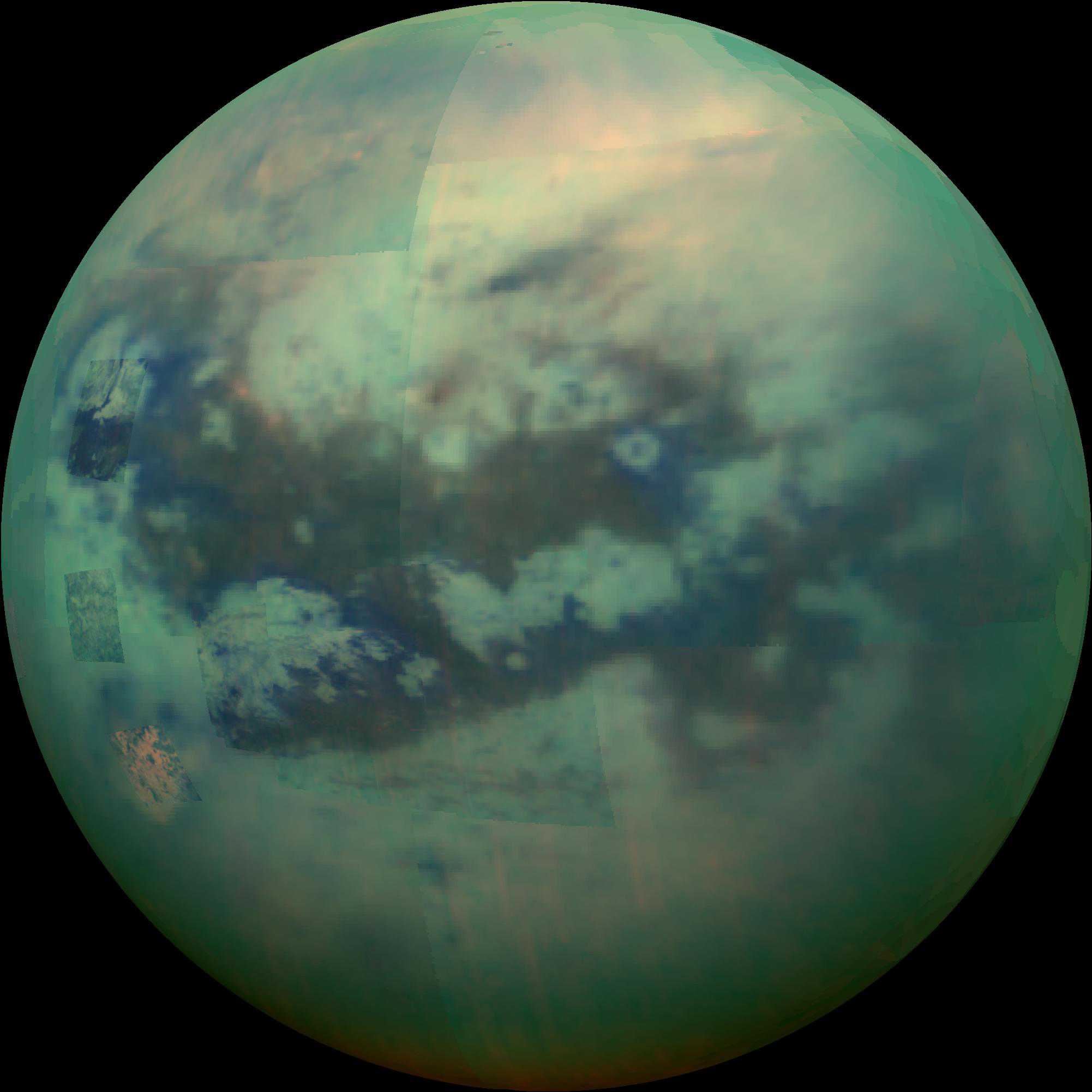
Huygens and the moon Titan
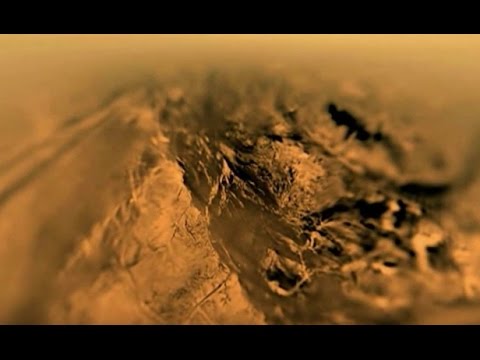
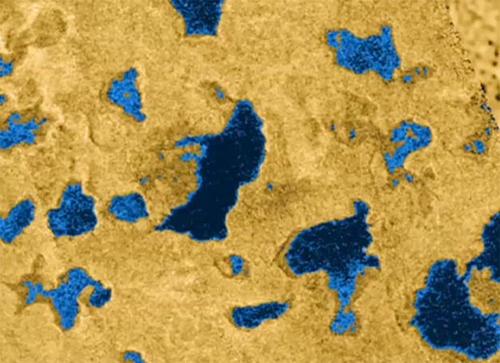
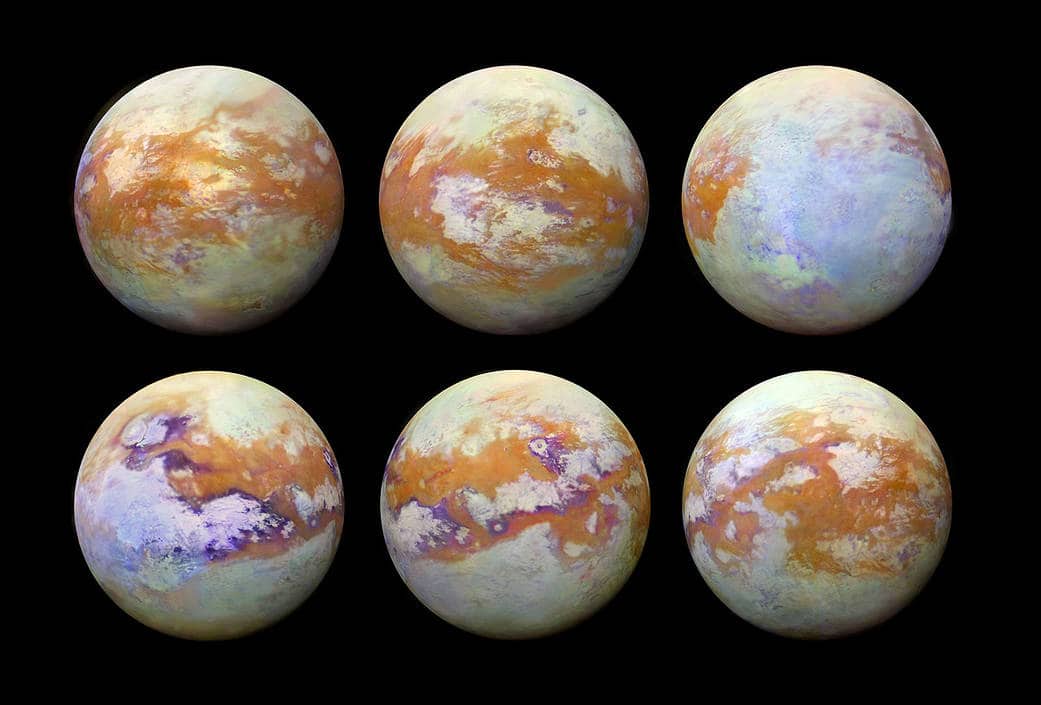
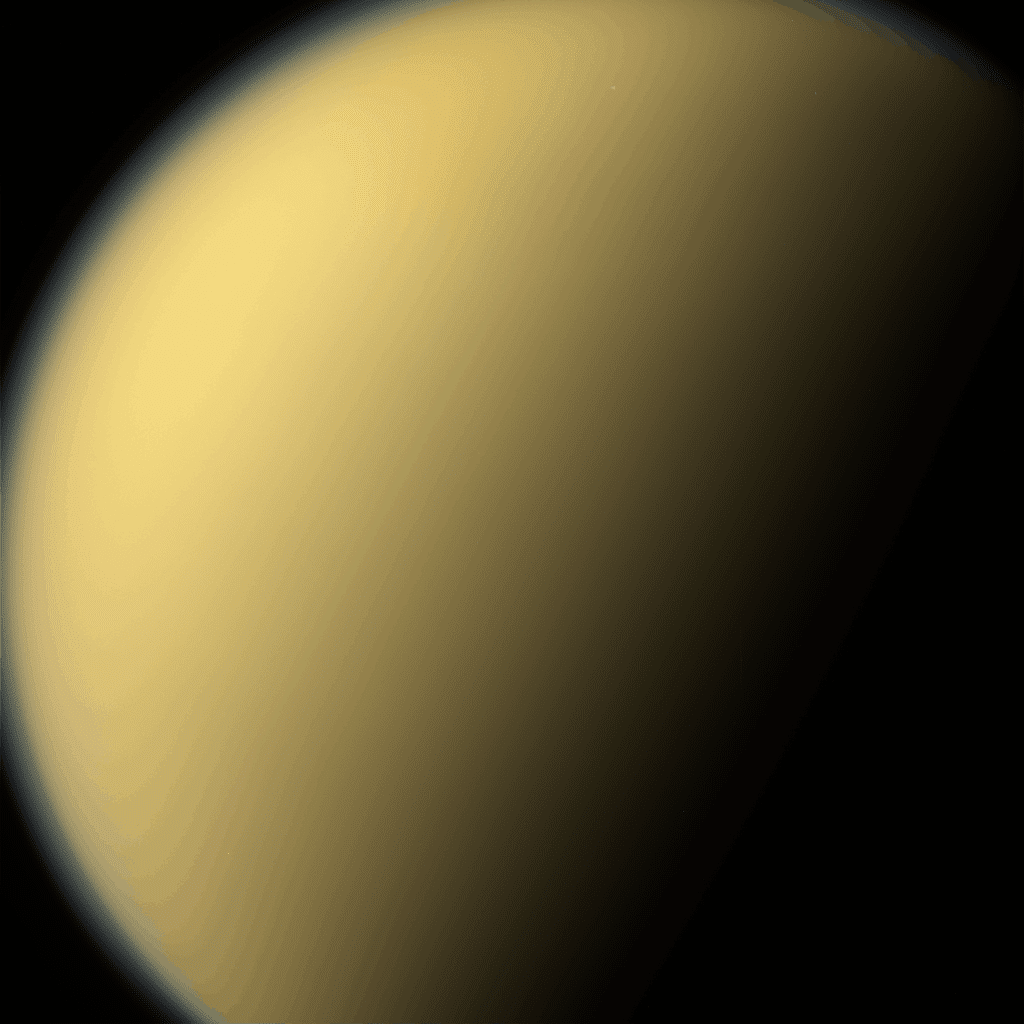
So, what did we learn about Saturn and its system? Let’s begin with what Huygens told us. It sent back data for 90 minutes and changed our understanding of Titan. The lander touched down on a frozen surface littered with rounded pebbles. Titan was discovered to have ice and large bodies of liquid on its surface, as well as drainage channels, islands and even a coastline. But rather than water, with surface temperatures of around minus 180ºC, the fluid on its surface was methane. Moreover, Cassini’s radar mapping from orbit, revealed a surface full of lakes and seas of liquid hydrocarbons. We also learned that Titan’s atmosphere is teeming with a variety of molecules, the most chemically complex in the solar system and these form the smog that covers the giant moon. Closer to the surface, methane, ethane, and other organic compounds condense and fall to the surface, where probably other prebiotic (and we hope biotic) chemistry can take place. Titan has an equatorial desert called the Shangri La Sand Sea and using Cassini and Huygen data scientists were able to observe the dunes present in the desert, discovering that instead of silicates like on Earth, the dunes on Titan are made up of organic material. New experimental analysis informed us that these dramatic equatorial sand dunes might have arisen as a result of complex chemical reactions due to interstellar cosmic rays hitting its surface.
(Jupiter – Solar System’s Giant)
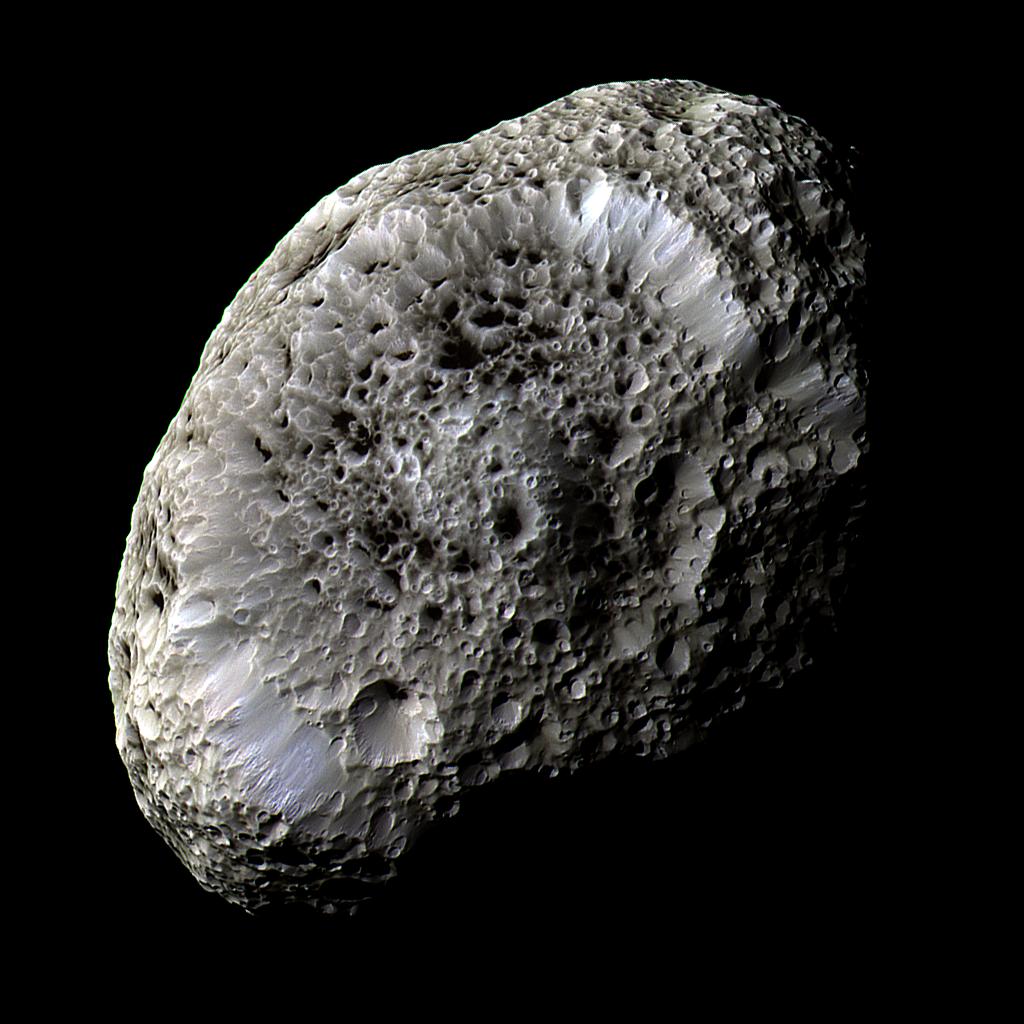
Saturn’s other moons
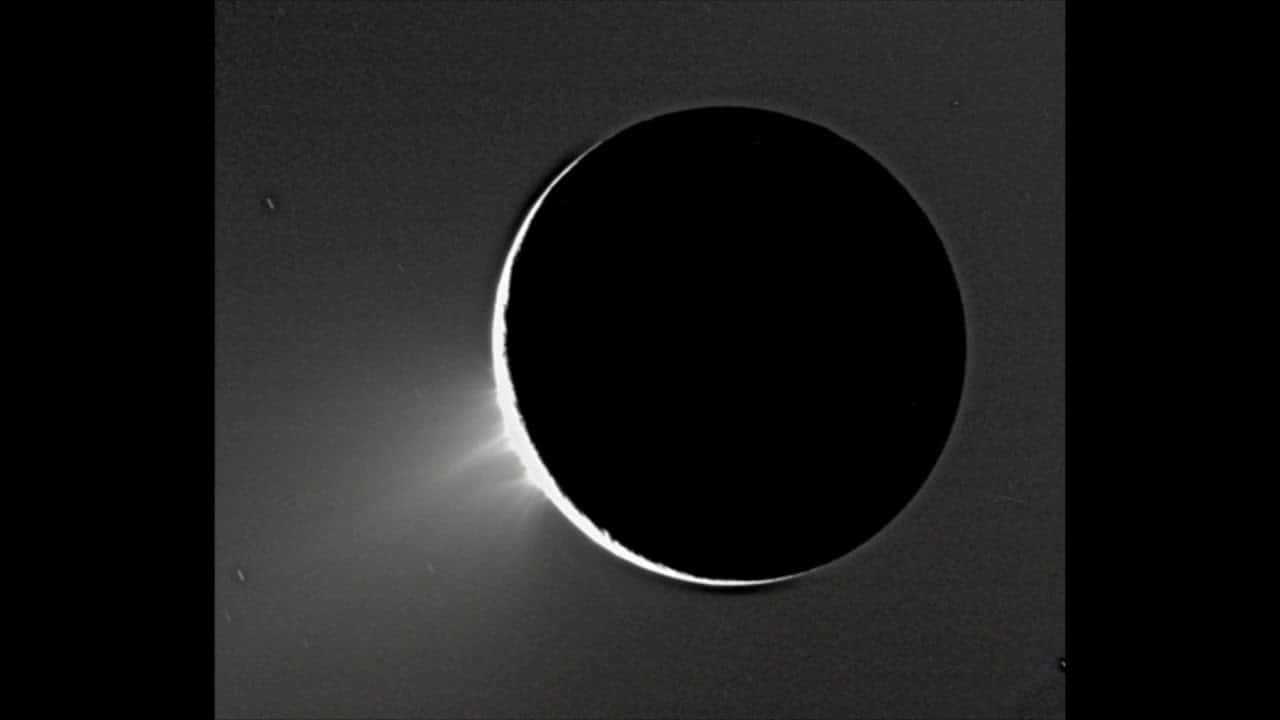
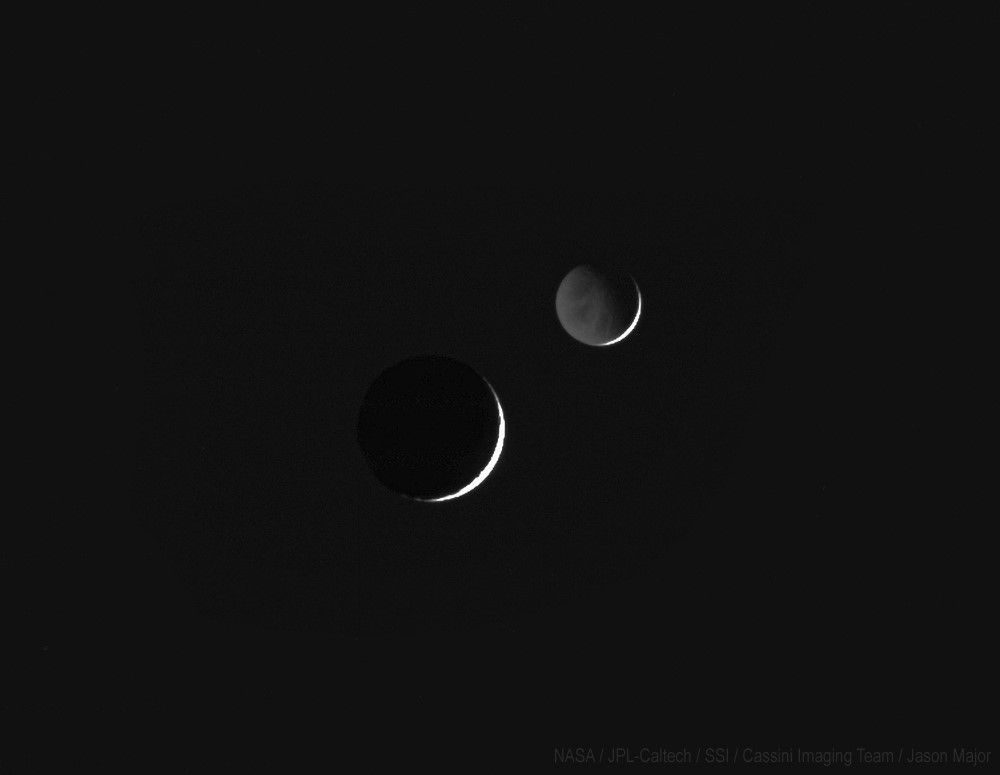
Titan was not the only moon we got to know better. Cassini put Enceladus on the map, when it discovered active icy plumes bursting from its surface. This was a huge surprise to scientists and because of this discovery, the designers completely reshaped the mission to take another look. And then Cassini found evidence that the ice in those plumes was water-based. These are signs of a subsurface ocean inside Enceladus, making it one of the most exciting future destinations in the solar system.
(Phoebe, Saturn’s Unusual Moon)
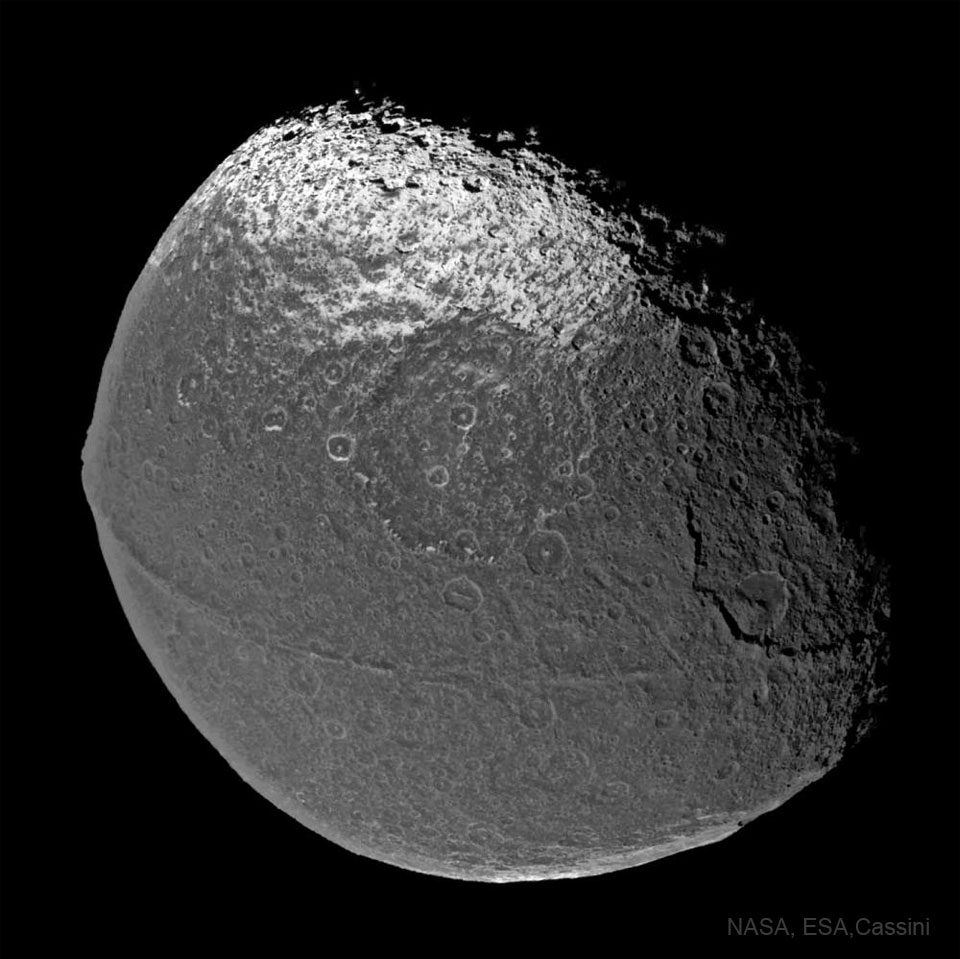
Iapetus is Saturn’s third largest satellite. The origin of its two-faced surface has been a mystery for more than 300 years, and this was finally solved by Cassini. Dark, reddish coloured dust in the moon’s orbital path is swept up and lands on its surface. The dark areas absorb energy and become warmer, while other areas remain cooler. The moon’s long rotation period contributes to the effect.


The rings of Saturn
We all know that Saturn’s main call to fame are its glorious rings. The whole system is arguably the most beautiful sight in the night sky. One of the most exciting things Cassini allowed us to do was to study these rings in detail. We found out that they were active and dynamic, a laboratory for how planets form. The spacecraft discovered propeller – like formations on the rings; witnessed the possible birth of a new moon; and observed Saturn’s F ring, one of the most active and chaotic ones in our solar system.
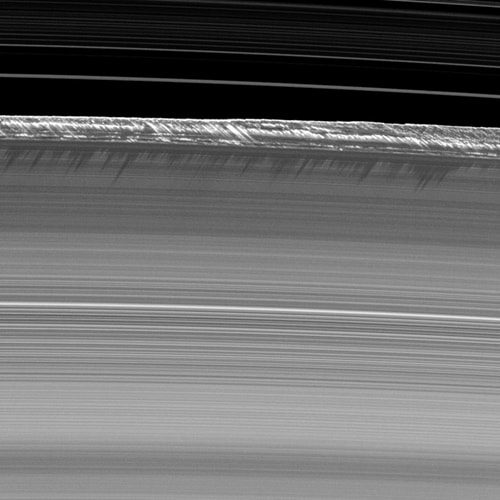
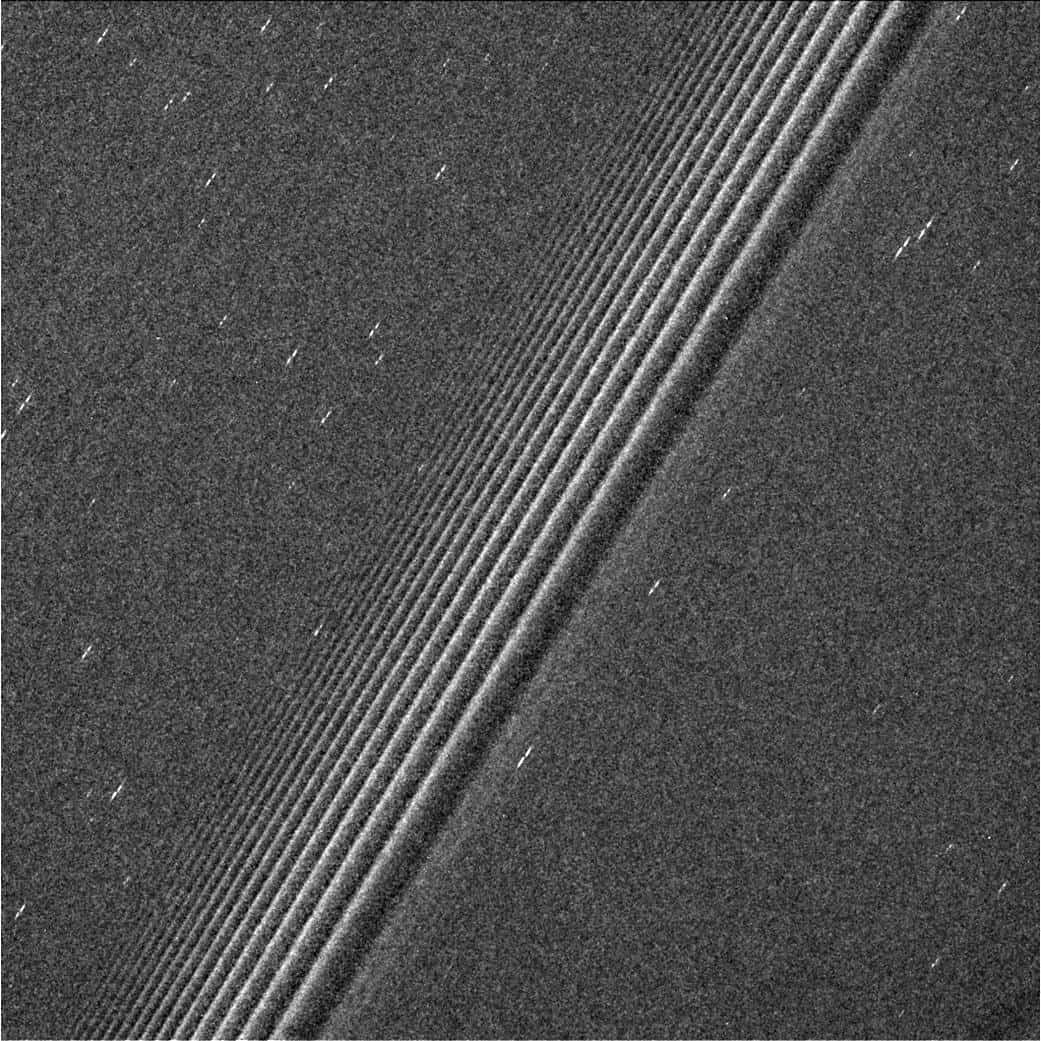
Every 15 years or so, the Sun shines on the edge of Saturn’s ring plane and the northern and southern sides of the rings do not receive much sunlight. Cassini was around to observe this fantastic phenomenon too and allowed scientists to measure the thick, long shadows from this rare event to determine the heights of structures within the rings.
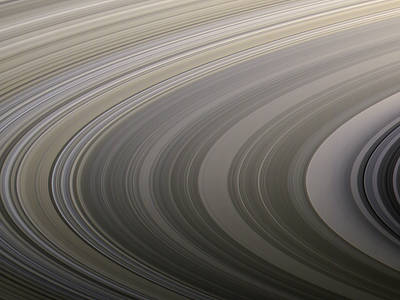
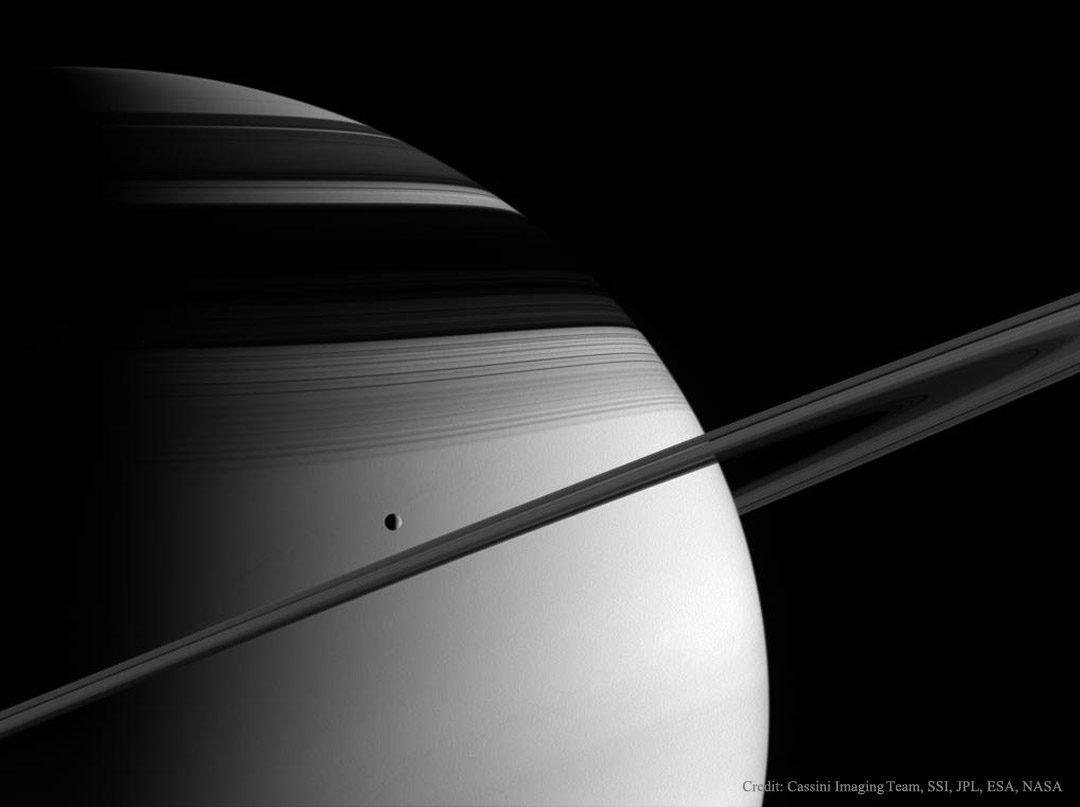
We got another surprise when data collected by Cassini confirmed that the planet’s iconic rings are very young – no more than 100 million years old. That’s the time when dinosaurs still walked the Earth, when mammals were tiny and humans were nowhere to be seen. In astronomical time, that’s just a blink.
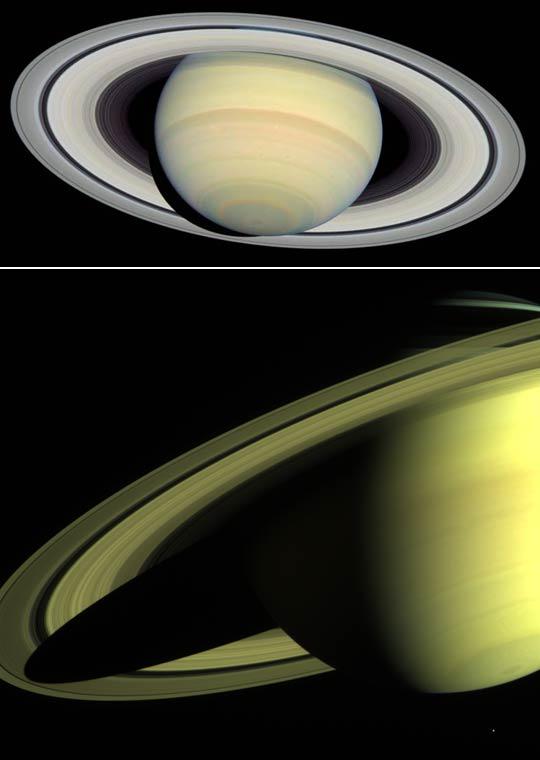
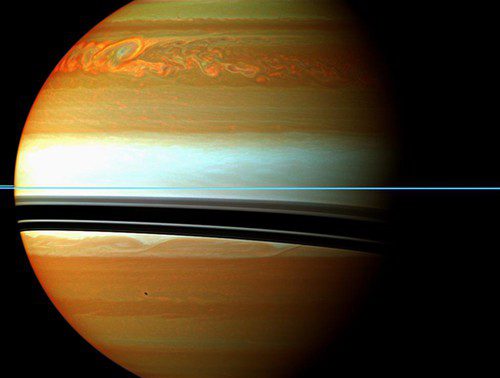
The Great Northern Storm
In 2010, Cassini was able to have a front row seat to another phenomenon. It was able to observe Saturn’s Great Northern Storm, which obligingly arrived 10 years early. And within months the storm grew enough to encircle the planet, allowing the measurement of the largest temperature increases ever recorded for any planet and detection of molecules never before seen in Saturn’s upper atmosphere. The storm diminished a little less than a year after it began, when its head collided with its tail.
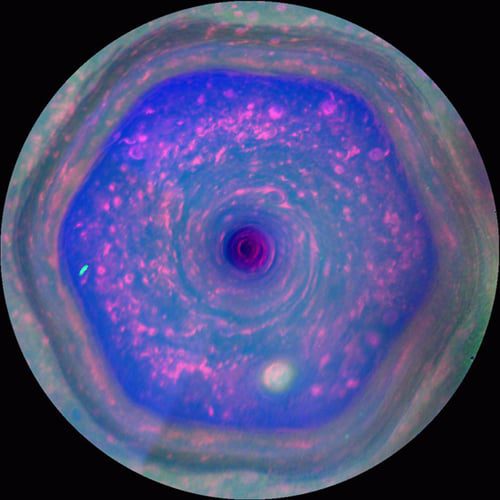
The Jet Stream
Cassini took fantastic images of Saturn’s hexagonal-shaped jet stream in the north, which compelled scientists to suggest that this was not caused by heat energy from the Sun but by condensation of water from the planet’s internal heat. Two hurricane-like storms at both poles, known as the great white spots, were also revealed. Each of these is about the size of Earth.
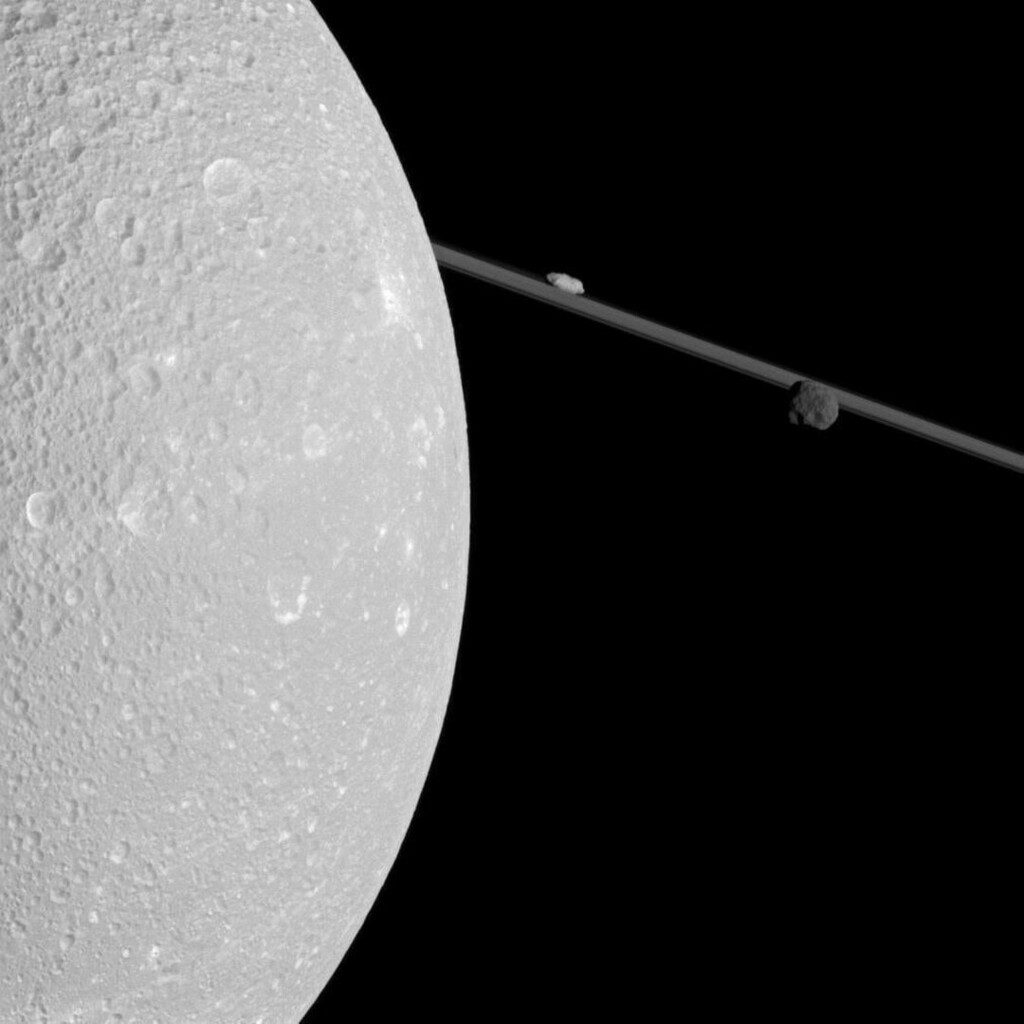
New moons
Cassini also discovered much smaller moons, so-called “shepherd moons” that interact with Saturn’s rings by carving gaps and wavy patterns as they pass through a rubble of rocks and snowballs. With that, and together with the help of telescopes here on Earth, recently the current count of Saturn’s moons went up to 82, more than Jupiter’s 79, as 20 new moons were identified. And the good news is that the Carnegie Institution for Science is asking for help to name these new moons. You can check out how to do this here.
Grand finale
After over 20 years in space and 13 years around Saturn, the Cassini Mission reached its grand finale, which in itself was like a new mission. Starting in April 2017, it undertook daring orbits around the planet. After a few more close flybys of Titan, it began weekly dives into the inner fringes of Saturn’s rings, gathering data that was even more important and excitingly new. On September 11, 2017, Cassini met Titan for the last time and on September 15, 2017, it plunged into Saturn’s atmosphere, and then crashed onto its surface, continuing to send back data until the very end. That information is still being analysed, telling us more and more about this fantastic planetary system, as well as increasing our knowledge of the early solar system. Because of Cassini and Huygen, further visits are also on the cards. NASA’s Dragonfly aerial drone is expected to fly over Titan’s surface in 2030, and will increase our knowledge even further.
(Uranus – A Planet Tilted)
How Cassini made the Earth smile
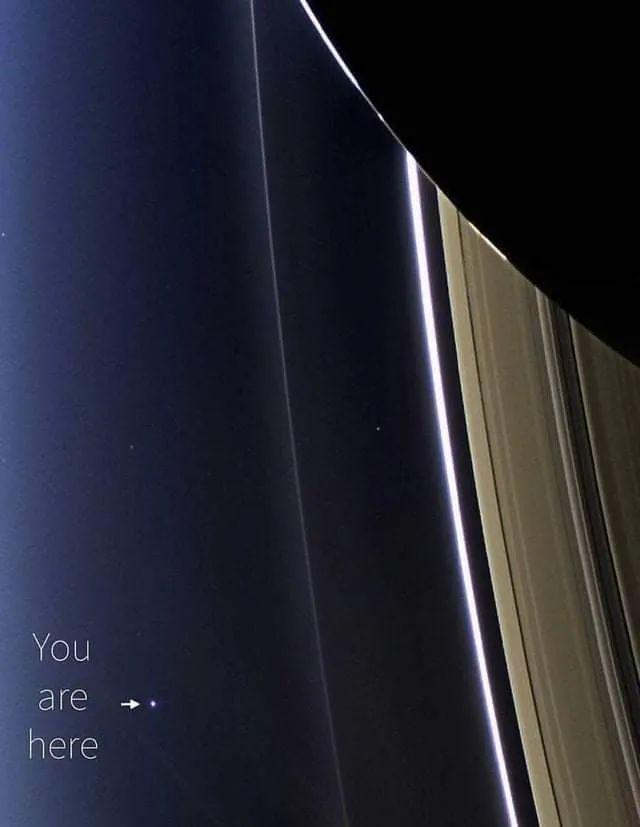
And all this time while it was looking at Saturn, Cassini also took time to look back at us. On July 19, 2013, in an event celebrated all over the world, it slipped into Saturn’s shadow and turned to take images of the planet, seven of its moons, its inner rings and, in the background, Earth. For the first time ever, people were told in advance that their photo would be taken from such a great distance. So, a lot of us looked up at the right time, all over the world, smiled and waved. This has been termed ‘The day the Earth smiled’. And that picture once again showed us how small, how inconsequential we are from the perspective of the universe.
(Voyagers space mission and missions bringing back soil samples from asteroids)
A New ERA with the James Webb Space Telescope
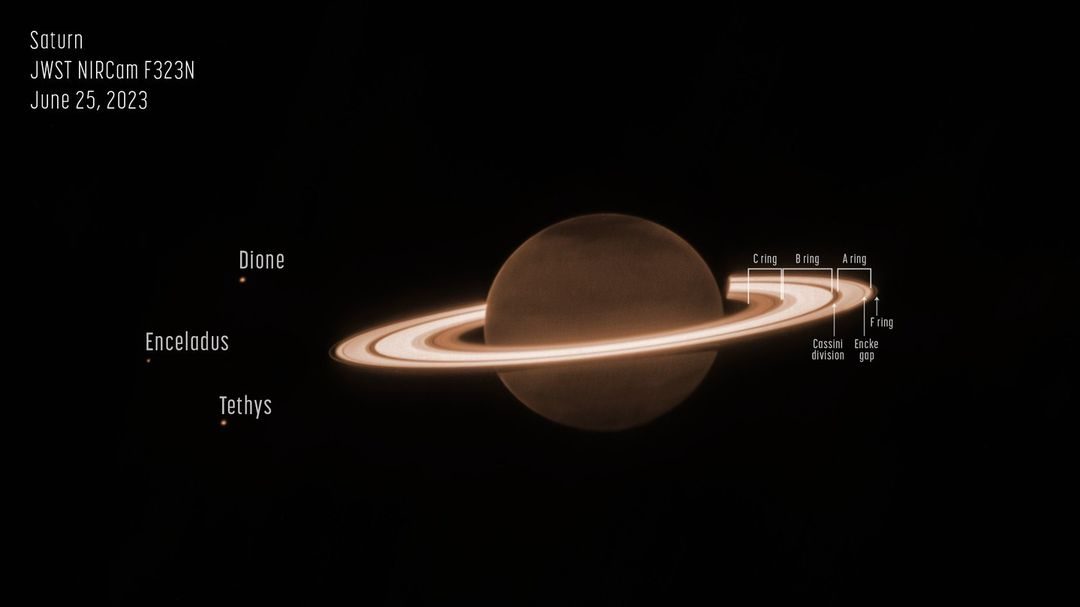
And now we are getting even more information about the Saturnian system from the James Webb Space Telescope (JWST), telling us even more about this most gorgeous of all the planets in our solar system.

(Music: Moonrise by Chad Crouch – Instrumental from Free Music Archive / Main source for images and information: NASA and European Space Agency)
Podcast: Play in new window | Download