
Podcast Episode 116 l Saturn’s Irregular Moon, Phoebe
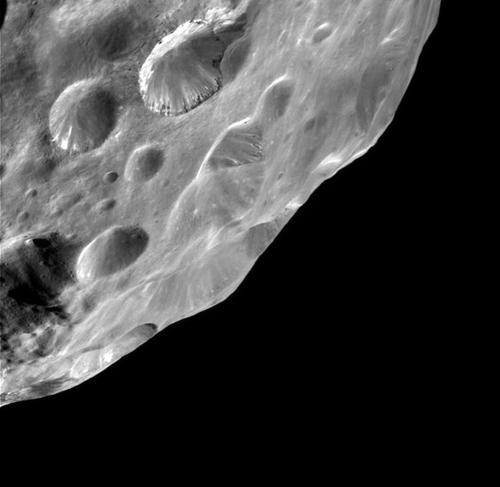
Phoebe, Saturn’s largest irregular moon, was discovered in 1899. Orbiting in the opposite direction of Saturn’s rotation, Phoebe is believed to be a captured icy body from the Kuiper Belt. Cassini’s 2004 flyby revealed its dark surface and icy layers. Phoebe also contributes to Saturn’s Phoebe Ring and Iapetus’ two-tone appearance.
Phoebe: Saturn’s Unusual Moon
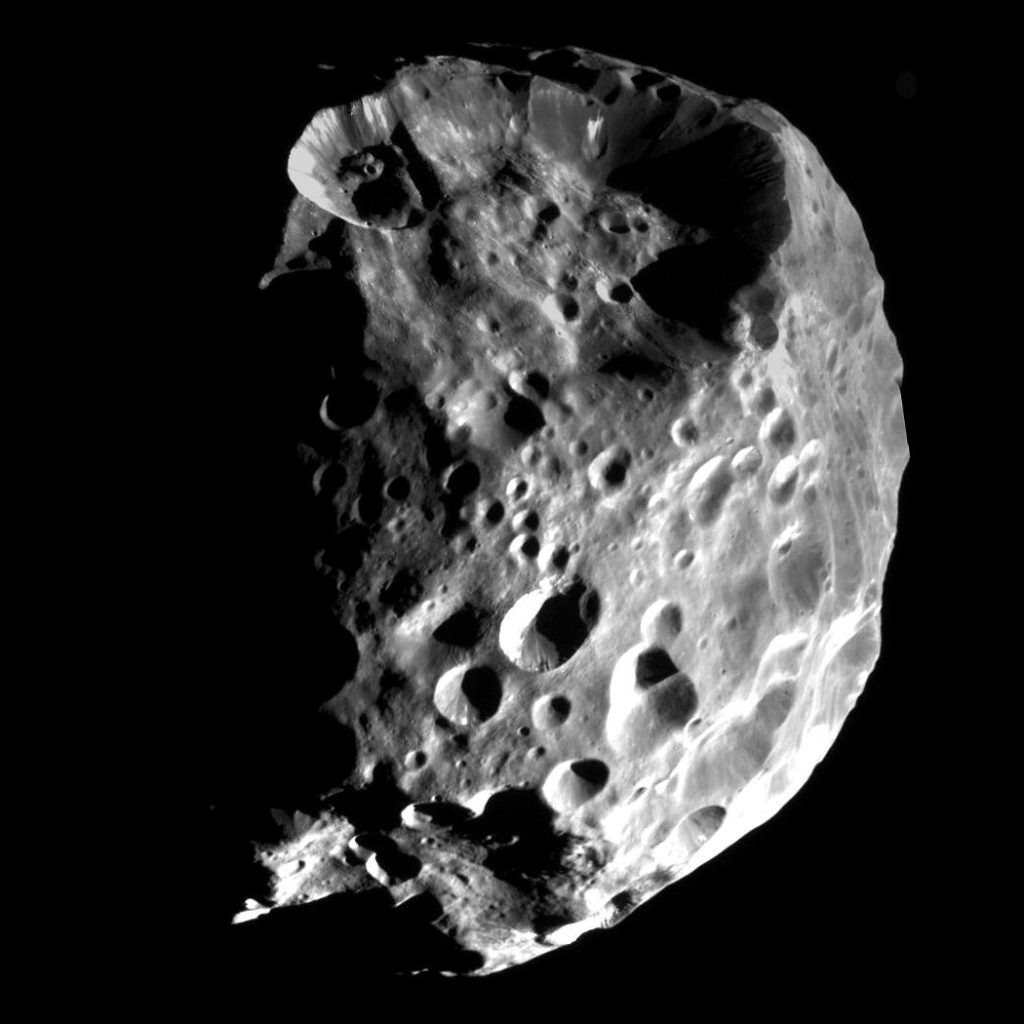
Phoebe, Saturn’s most massive irregular moon, was discovered in 1899. Likely a captured centaur from the Kuiper Belt, it has a dark surface with ice beneath. Phoebe contributes debris to Saturn’s rings and affects Iapetus’ two-tone coloring.
Saturn, its moons and rings l How Cassini brought it closer to us
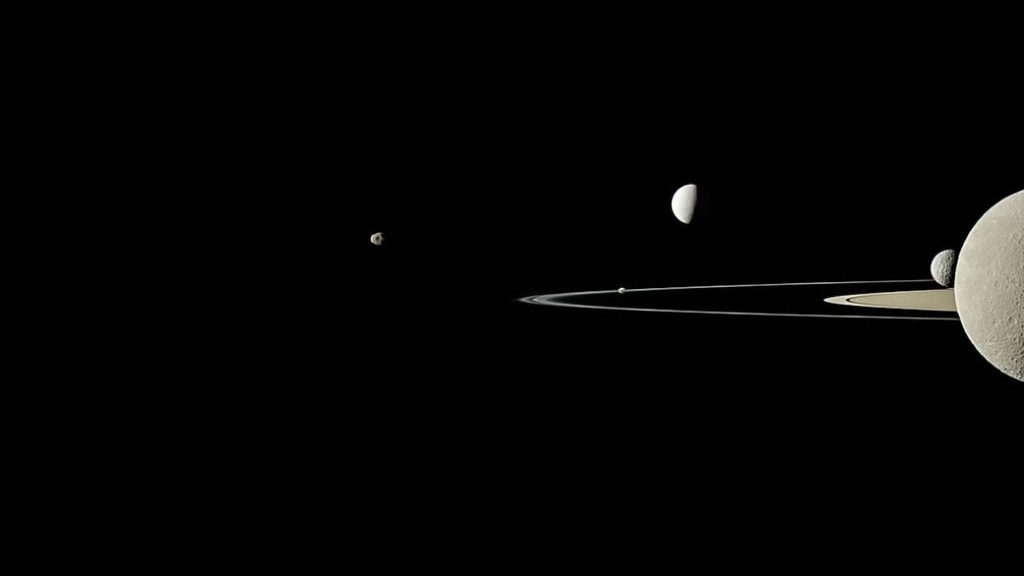
Saturn, its moons and rings and How Cassini brought it closer to us. The spacecraft orbited the Saturnian system for 13 years and sent back astonishing images and data.
Podcast Episode 4 | How Cassini made the Earth smile
Podcast on the Cassini spacecraft & its 13 year orbit around Saturn. It sent back images and data that gave us information about Saturn, its rings & moons.
Huygens landing on Saturn’s moon Titan in 2005 as part of Cassini
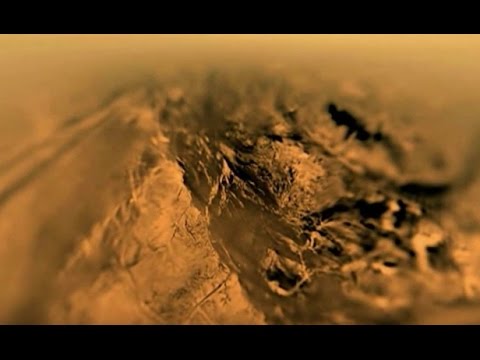
On Jan. 14, 2005, ESA’s Huygens probe made its descent to the surface of Saturn’s hazy moon, Titan. Carried to Saturn by NASA’s Cassini spacecraft, Huygens made the most distant landing ever on another world, and the only landing on a body in the outer solar system. This video uses actual images taken by the […]