
Euclid Telescope Identifies 15,000 Candidates for Strong Gravitational Lensing
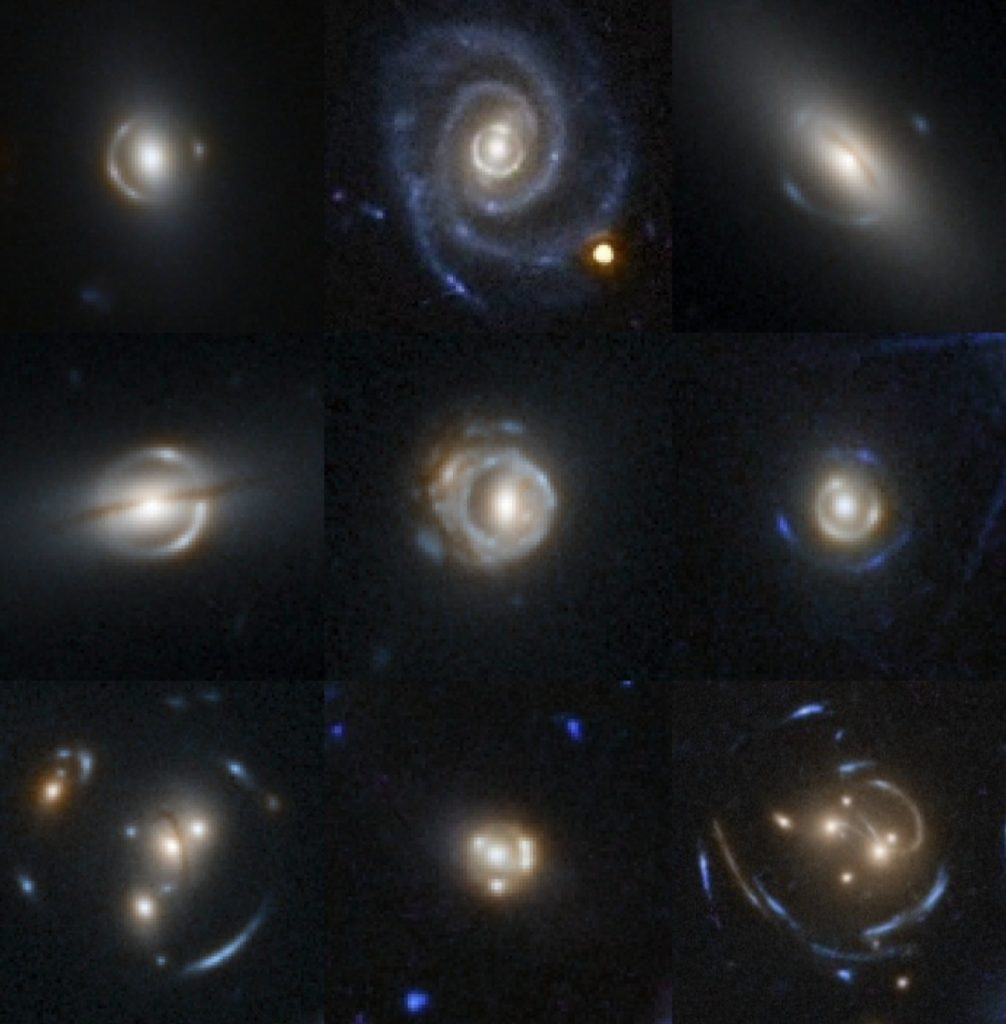
The Euclid space telescope has found 15000 potential examples of an incredibly rare phenomenon known as a strong gravitational lensing.
Meet the far side of the Moon
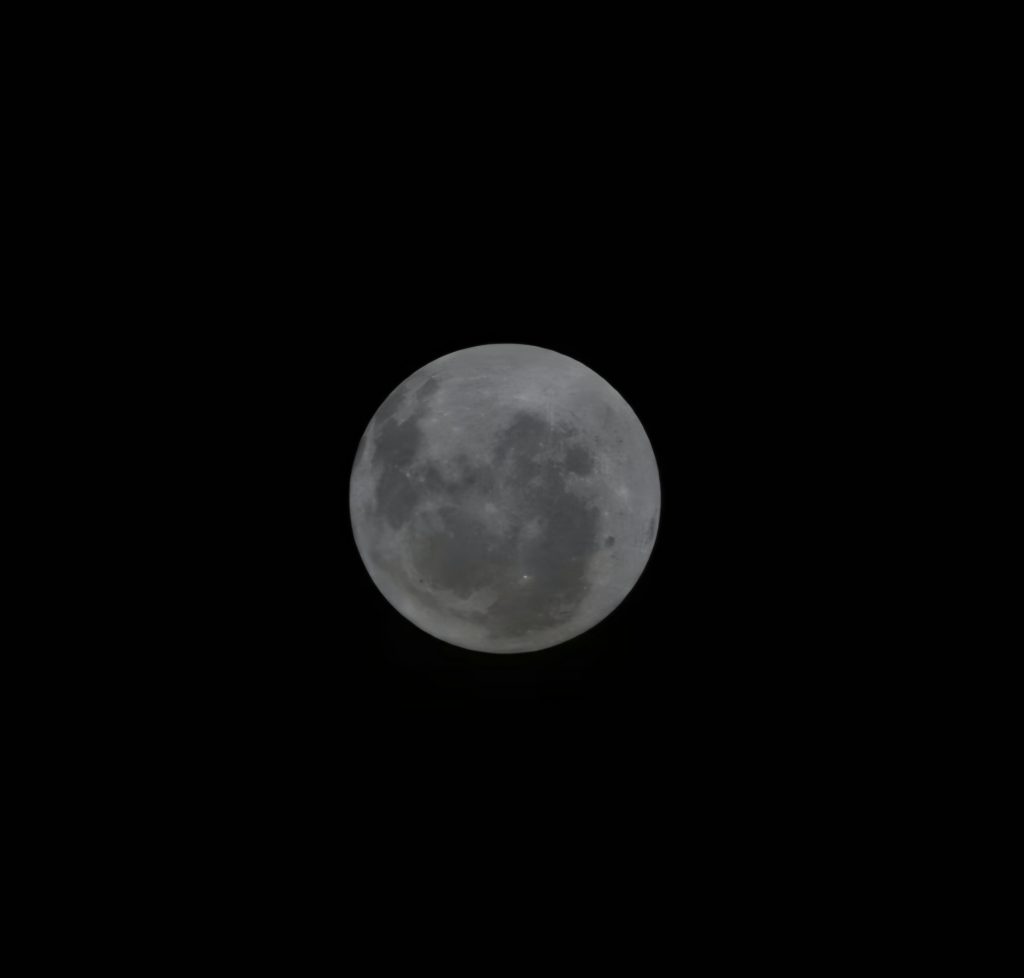
Meet the far side of the Moon, captured in this image by humans on the Artemis II IN April 2026
Back to the Moon: Artemis II Launch
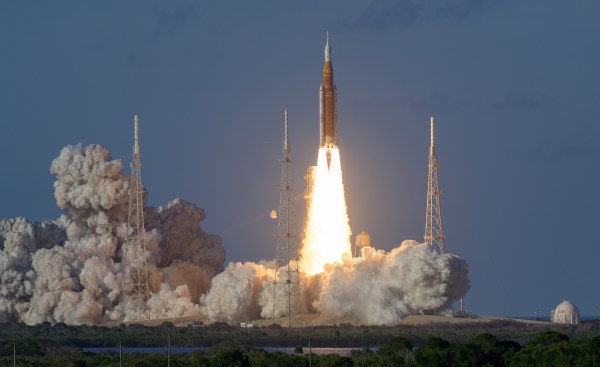
NASA has launched four astronauts on a pioneering journey around the moon—the Artemis II mission.
The reason behind the names the Arctic and Antarctica

What is the reason behind the names Arctic and Antarctica? It is all about astronomy.
Haumea: The Dwarf Planet Beyond Neptune

We are on a mission to talk about all the lesser known celestial objects in our skies. So, today we bring you Haumea, a dwarf planet that lives in the region beyond the orbit of our eighth planet Neptune.
Predicted Companion Star to Betelgeuse Found by NASA
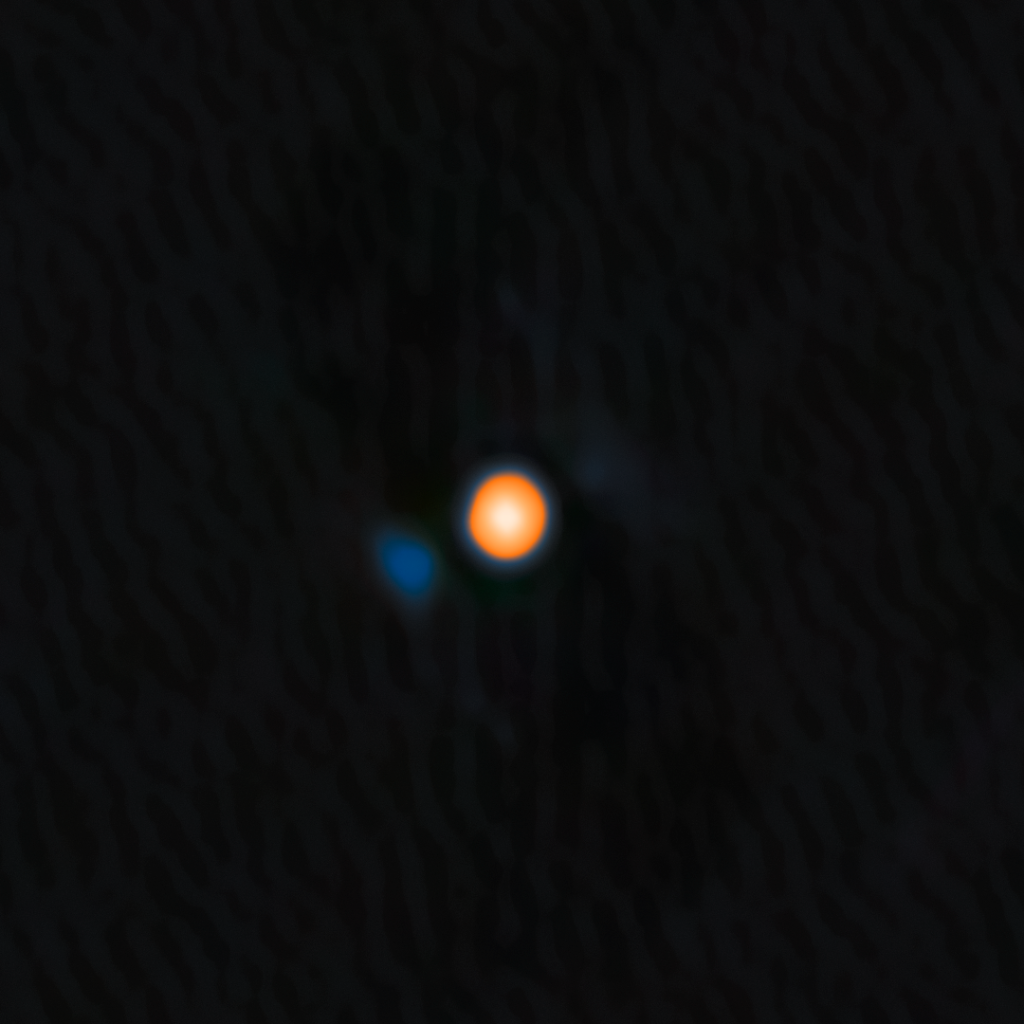
A century-old hypothesis that Betelgeuse, the 10th brightest star in our night sky, is orbited by a very close companion star was proved true by a team of astrophysicists led by a scientist at NASA.
The first image of Mars was hand colored

The first TV image of Mars, hand colored strip-by-strip, from Mariner 4 in 1965. The completed image was framed and presented to JPL director, William H. Pickering.
Solar Orbiter shows us the Sun’s south pole for the first time
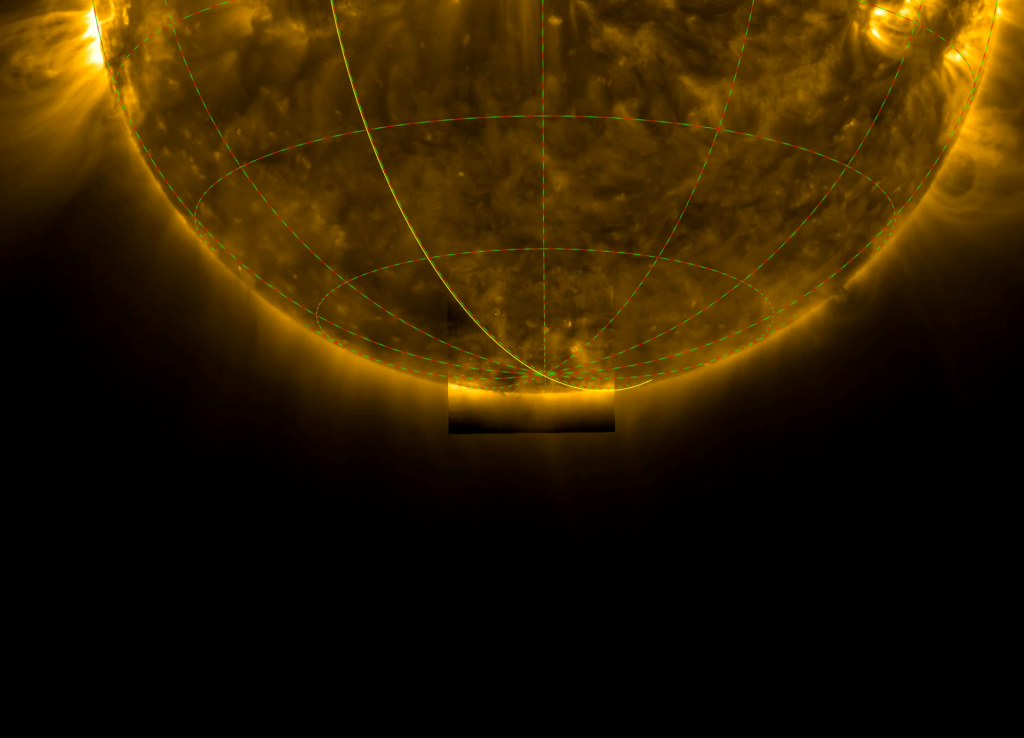
Thanks to its newly tilted orbit around the Sun, the European Space Agency-led Solar Orbiter spacecraft is the first to image the Sun’s poles from outside the ecliptic plane.
NASA Perseverance Rover Captures Aurora on Mars
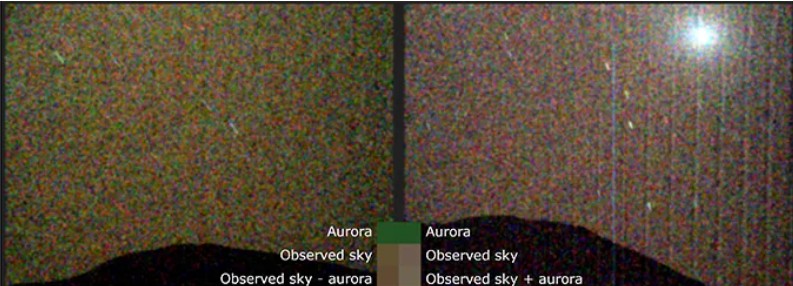
On 15 March 2024, a powerful solar flare and CME sparked auroras across the solar system. NASA’s Perseverance rover made history by detecting them on Mars — the first time ever from another planet’s surface.
Incredible photo, taken from space, features the Milky Way
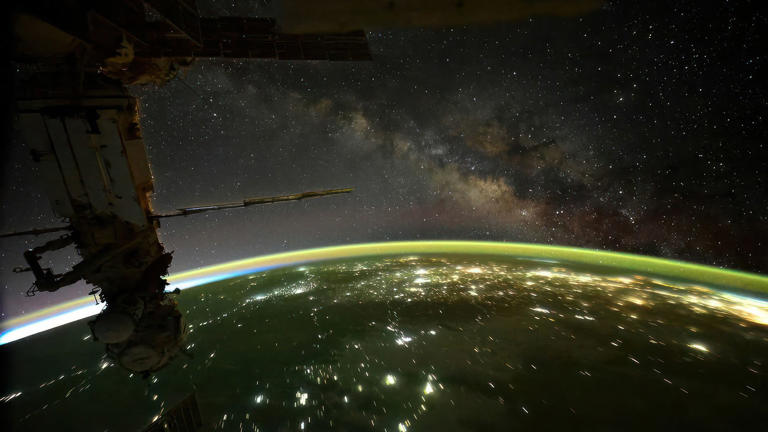
NASA astronaut Don Pettit shot his image “One in a Billion” from space, aboard the International Space Station.