Euclid Telescope Identifies 15,000 Candidates for Strong Gravitational Lensing
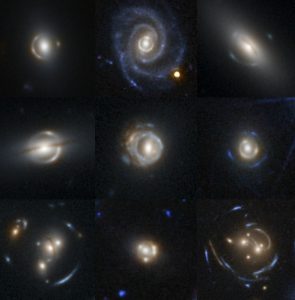
The Euclid space telescope has found 15000 potential examples of an incredibly rare phenomenon known as a strong gravitational lensing.

The Euclid space telescope has found 15000 potential examples of an incredibly rare phenomenon known as a strong gravitational lensing.
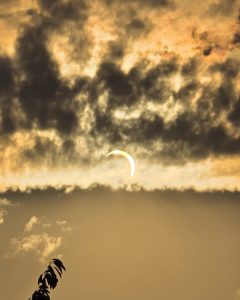
A Solar Eclipse over Liverpool, August 12, 2026

Red Admiral Butterfly on Budleia

On This Day France celebrates its national day, also known as Bastille Day.
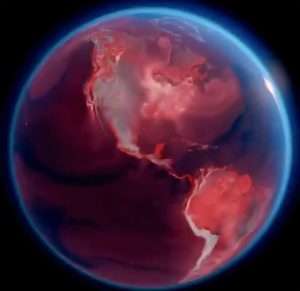
Scientists have discovered that the Earth produces a faint seismic pulse every 26 seconds
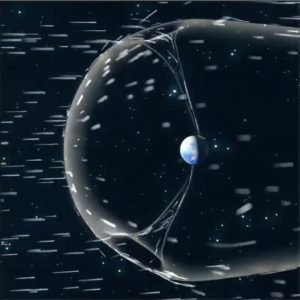
Ever wondered How does the Earth stay safe from space weather? It is because of The Magnetosphere.
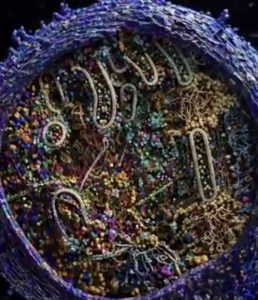
Scientists have created the most detailed 3D reconstruction of a human eukaryotic cell ever.

100 years of curiosity, storytelling, and fighting for the natural world. Today we celebrate Sir David Attenborough — a voice that has inspired generations to
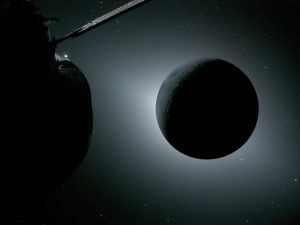
Two Images of A Hidden Sun, one with the Earth hiding it and the other with the Moon.
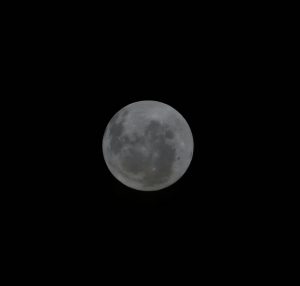
Meet the far side of the Moon, captured in this image by humans on the Artemis II IN April 2026
The Euclid space telescope has found 15000 potential examples of an incredibly rare phenomenon known as a strong gravitational lensing.
A Solar Eclipse over Liverpool, August 12, 2026
Red Admiral Butterfly on Budleia
On This Day France celebrates its national day, also known as Bastille Day.
Scientists have discovered that the Earth produces a faint seismic pulse every 26 seconds
Ever wondered How does the Earth stay safe from space weather? It is because of The Magnetosphere.
Scientists have created the most detailed 3D reconstruction of a human eukaryotic cell ever.
100 years of curiosity, storytelling, and fighting for the natural world. Today we celebrate Sir David Attenborough — a voice that has inspired generations to
Two Images of A Hidden Sun, one with the Earth hiding it and the other with the Moon.
Meet the far side of the Moon, captured in this image by humans on the Artemis II IN April 2026


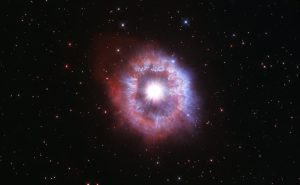
Hubble Turns 31 Celebrates with Giant Exploded Star in this
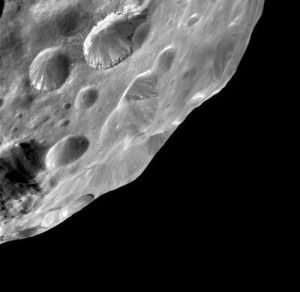
Phoebe, Saturn’s largest irregular moon, was discovered in 1899. Orbiting

Podcast Episode 98 is on Romania’s Growing, Moving & Reproducing
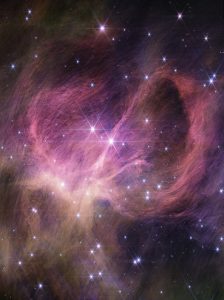
Webb finds the smallest free-floating brown dwarf, which are also