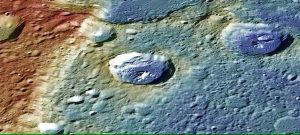
Mercury is shrinking and getting smaller according to latest research because its interior has been cooling down as internal heat leaks away.
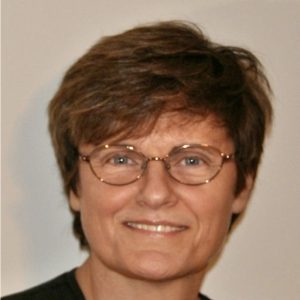
Fantastic Woman Katalin Kariko has won the Nobel Prize for her work in the development of mRNA vaccines that helped to control Covid-19
2023 on track to be the warmest year on record and September 2023 is the warmest ever yet according to the Copernicus Climate Change Service
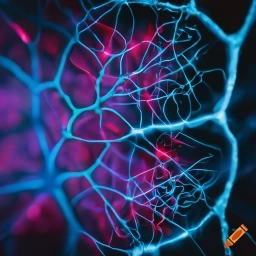
Scientists used artificial intelligence or AI to guess what Pink Floyd’s ‘Another Brick in the Wall’ sounds like based on patterns of brain activity recorded
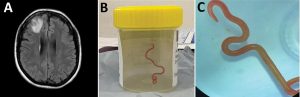
The world’s first case of a new parasitic infection in humans has been discovered after surgeons detected a live eight-centimetre roundworm from a carpet python
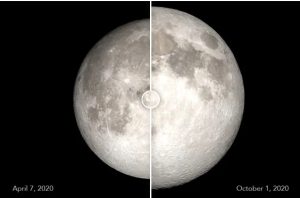
Stargazers were able to Witness Rare Blue Super Moon in August 2023. The next blue super moon will be in 2037, so this one was
Mercury is shrinking and getting smaller according to latest research because its interior has been cooling down as internal heat leaks away.
Fantastic Woman Katalin Kariko has won the Nobel Prize for her work in the development of mRNA vaccines that helped to control Covid-19
2023 on track to be the warmest year on record and September 2023 is the warmest ever yet according to the Copernicus Climate Change Service


Scientists used artificial intelligence or AI to guess what Pink Floyd’s ‘Another Brick in the Wall’ sounds like based on patterns of brain activity recorded
The world’s first case of a new parasitic infection in humans has been discovered after surgeons detected a live eight-centimetre roundworm from a carpet python
Stargazers were able to Witness Rare Blue Super Moon in August 2023. The next blue super moon will be in 2037, so this one was


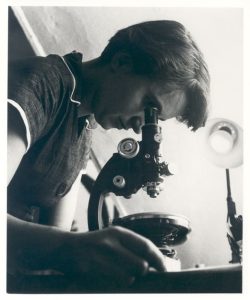
Podcast Episode 82 is on Rosalind Franklin a British chemist
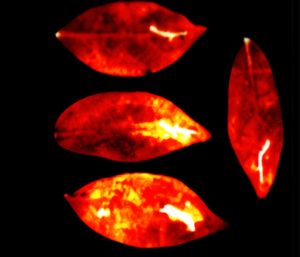
A new research conducted by researchers from the University of
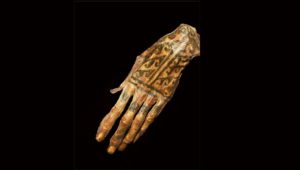
A recent study reveals insights into tattoo designs on over
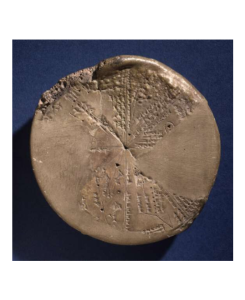
Podcast Episode 91 is on an ancient asteroid. Does a