What an exciting day! Wednesday April 1, 2026.
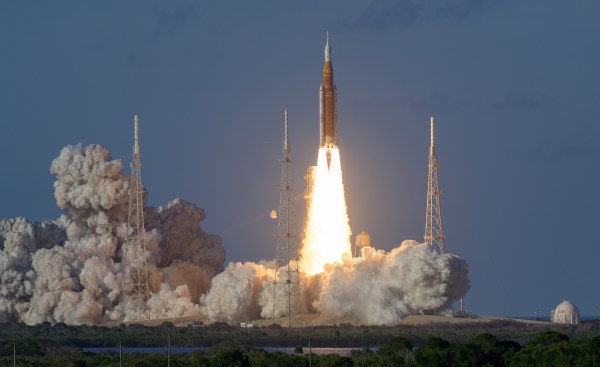
Humanity is officially heading back to the Moon. On April 1, 2026, at 6:35 p.m. EDT, the Artemis 2 mission successfully launched from Kennedy Space Center’s Launch Complex 39B.
This flight marks the first crewed mission to the lunar vicinity in over 50 years, carrying Commander Reid Wiseman, Pilot Victor Glover, Mission Specialist Christina Koch, and Mission Specialist Jeremy Hansen on a 10-day journey.
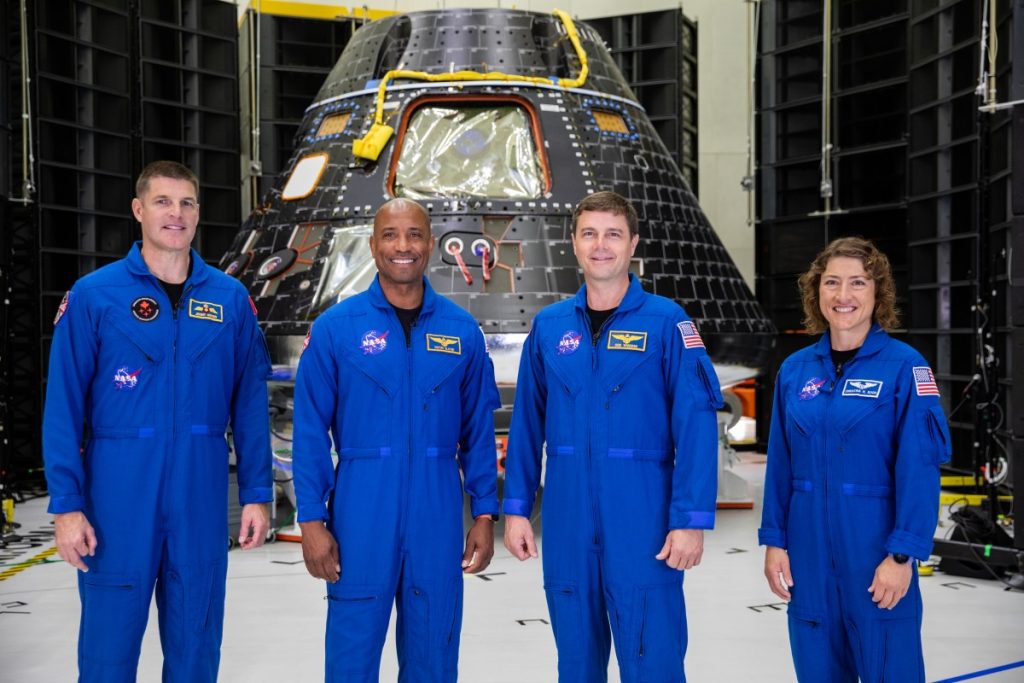
NASA/Kim Shiflett
The countdown was not without technical hurdles. In the hours leading up to liftoff, ground teams had to troubleshoot a critical issue with the Flight Termination System (FTS), a safety mechanism required for the Eastern Range to grant launch clearance. Once that was resolved, a second concern emerged regarding a temperature spike in one of the batteries within the Launch Abort System. Engineers eventually determined this was likely an instrumentation error rather than a hardware failure, allowing the poll for launch to proceed as scheduled.
Now in orbit, the crew is beginning the initial phases of their mission, which includes testing the Orion spacecraft’s life support and communication systems before performing a lunar flyby. This mission is a significant step toward establishing a long-term presence on the Moon.
And amazingly Christina Hammock Koch, mission specialist, is the first woman to visit the Moon!

The Artemis 2 mission uses the Space Launch System (SLS), which is the most powerful rocket NASA has ever built. It is designed specifically to send the Orion spacecraft, along with its crew and supplies, directly to the Moon in a single launch.
The SLS Rocket Components
The rocket is a massive assembly of several key stages and boosters that work together to escape Earth’s gravity.
The Core Stage: This is the tall, orange central column. It stands over 200 feet tall and stores more than 700,000 gallons of liquid hydrogen and liquid oxygen. It uses four RS-25 engines, which are upgraded versions of the engines used on the Space Shuttle.
Solid Rocket Boosters (SRBs): Two white boosters are attached to the sides of the core stage. These provide about 75% of the total thrust during the first two minutes of flight before they peel away and fall into the ocean.
Interim Cryogenic Propulsion Stage (ICPS): This is the upper stage of the rocket. After the core stage falls away, the ICPS engine fires to push the Orion spacecraft out of Earth’s orbit and toward the Moon.
The Orion Spacecraft
Sitting at the very top of the rocket is the Orion spacecraft, where the four astronauts live and work during the 10-day mission.
Crew Module: The pressurized capsule that houses the crew. It is designed to sustain them in deep space and protect them during the high-speed reentry into Earth’s atmosphere.
European Service Module (ESM): Provided by the ESA, this module sits just below the capsule. It supplies the spacecraft with electricity, water, oxygen, and nitrogen. It also contains the main engine used for orbital maneuvers.
Mission Objectives
Artemis 2 is a critical flight test. Because it is the first time humans are flying on this specific hardware, the crew will perform several checks.
System Validation: The crew will test the life support, communication, and navigation systems to ensure they work perfectly with humans on board.
Proximity Operations: Once in orbit, the crew will practice manually maneuvering Orion near the spent ICPS stage to simulate docking procedures for future missions.
Lunar Flyby: The rocket provides enough energy to send the crew on a “free-return trajectory.” They will swing around the far side of the Moon, using lunar gravity to slingshot back toward Earth without needing a massive engine burn to return.
The mission is currently in flight, having launched from Kennedy Space Center on April 1, 2026. It marks the first time a woman, a person of color, and a non-U.S. citizen have traveled to the vicinity of the Moon.
Podcast: Play in new window | Download