
Podcast Episode 91 l Did this clay tablet describe an ancient asteroid impact?

Podcast Episode 91 is on an ancient asteroid. Does a clay tablet describe an ancient asteroid impact? Two scientists certainly thought that it described an asteroid hitting earth
Ancient Star Map Revealed Asteroid Impact

This is the story of a star map, one which depicted an ancient asteroid impacting Earth over 5,000 years ago.
Podcast Episode 87 l How the moon was formed

Scientists have now answered the questions of how the moon was made in this New Simulation, showing that it formed very quickly after impact with another body called Theia. In this podcast we talk about the Moon, its structure and our fascination with it, as well as the new study.
How the moon was made l New Simulation

Scientists have now answered the questions of how the moon was made in this New Simulation, showing that it formed very quickly after impact with another body called Theia.
1,000 year old astrolabe from Verona reveals scientific exchange between Muslims, Jews, And Christians

This 1,000 year old astrolabe from Verona reveals scientific exchange between Muslims, Jews, And Christians
Mars is affecting our climate and oceans, says new study
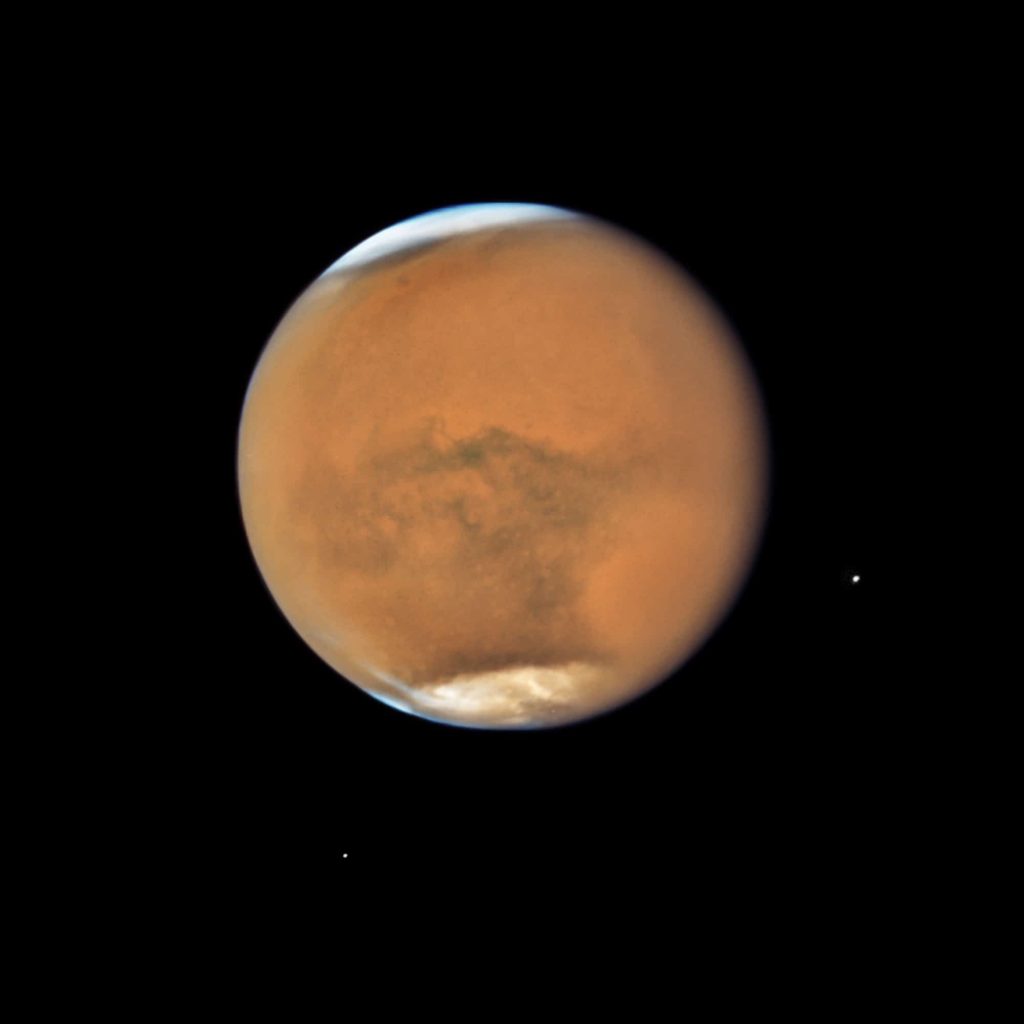
Mars is affecting our climate and oceans, says a new study that analysed millions of year old data from deep sea sediments from hundreds of sites.
Blackhole Grows by Consuming One Sun A Day

This Blackhole Grows by Consuming One Sun A Day and is the brightest object ever observed in the night sky, known as a Quasar
Staggering In depth Images of 19 Galaxies by NASA’s Webb Telescope

A new set of stunning images of 19 spiral galaxies has been released by the James Webb Space Telescope, showcasing the galaxies in near- and mid-infrared light.
Neptune – The Real Blue Planet

Neptune is The Real Blue Planet, the Ice Giant of our Solar System residing far away from the Sun near the Kuiper Belt. The only one we cant see with the naked eye.
Webb finds the smallest free-floating brown dwarf
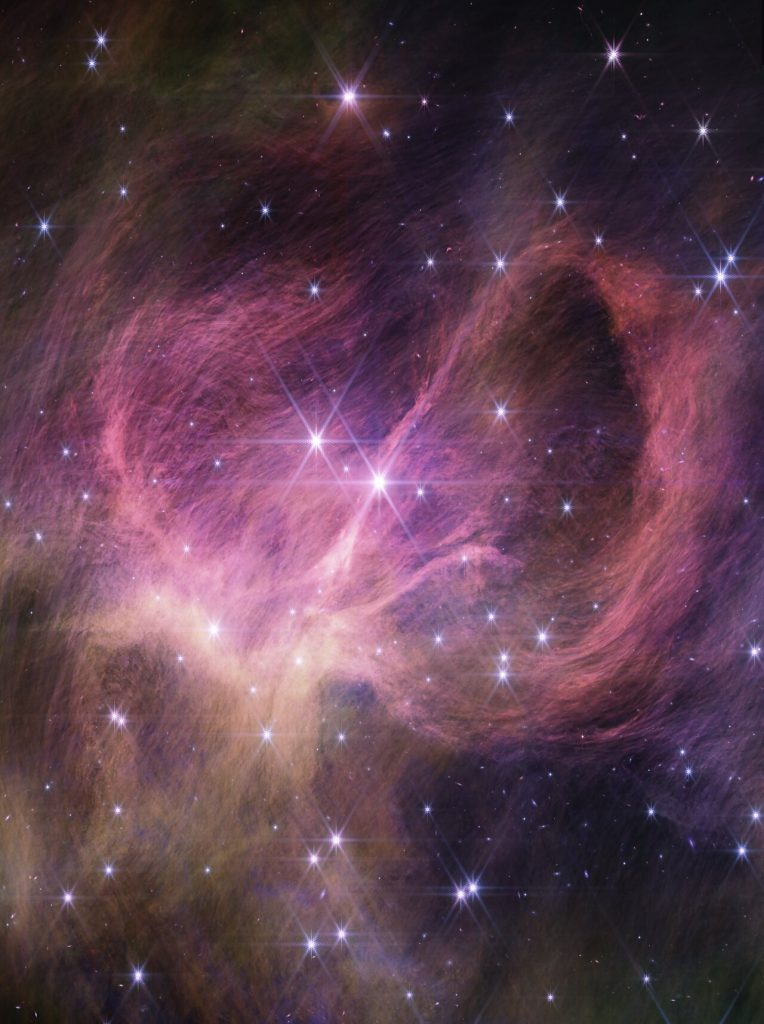
Webb finds the smallest free-floating brown dwarf, which are also known as failed stars. Scientists imaged the centre of a cluster using Webb’s NIRCam and find three brown dwarfs.