
The face of a 10,500-year-old woman
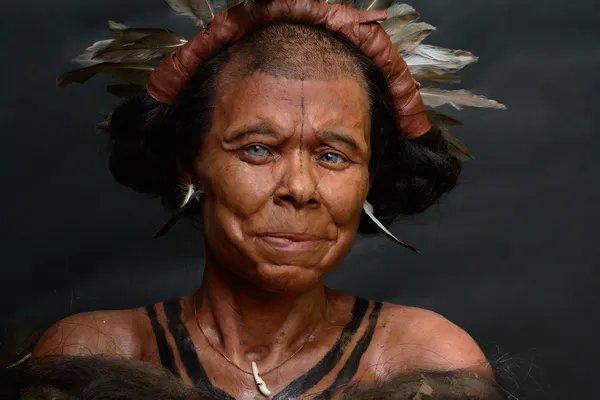
Scientists and artists collaborated to reconstruct the face of a 10,500-year-old woman whose remains were found in the Meuse Valley of Belgium.
Once Lush and Green, the Sahara Desert Was Home to a Mysterious Human Lineage
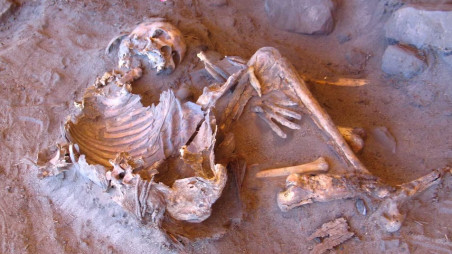
The Sahara was a green savannah during the African Humid Period, supporting human settlements and animal herding. DNA from two 7,000-year-old women in Libya reveals a unique North African genetic group linked to ancient Moroccan foragers. The Takarkori people had less Neanderthal DNA than Levantine farmers but more than sub-Saharan Africans, indicating limited gene flow between the regions.
Podcast Episode 115 l Women Led Societies and Origin of Indo European Languages
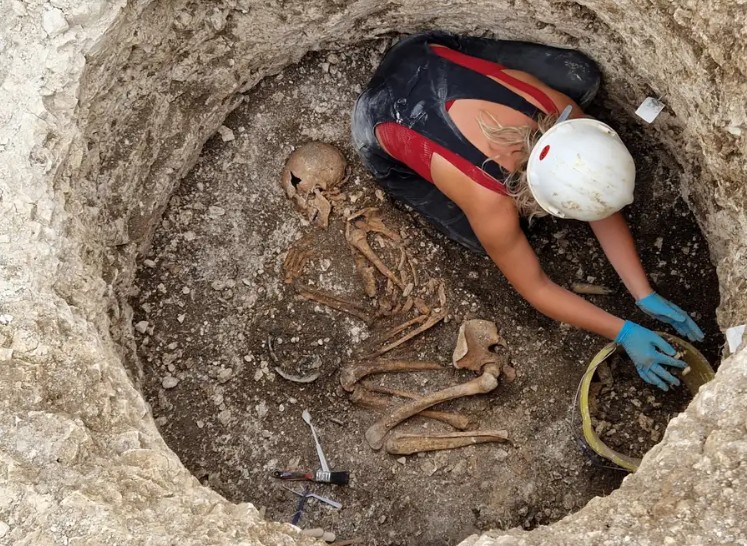
A two part podcast episode on Women Led Societies in Britain and Origin of Indo European Languages, which are the fore-runners of most known in the world.
Oldest modern human roamed Europe and then disappeared
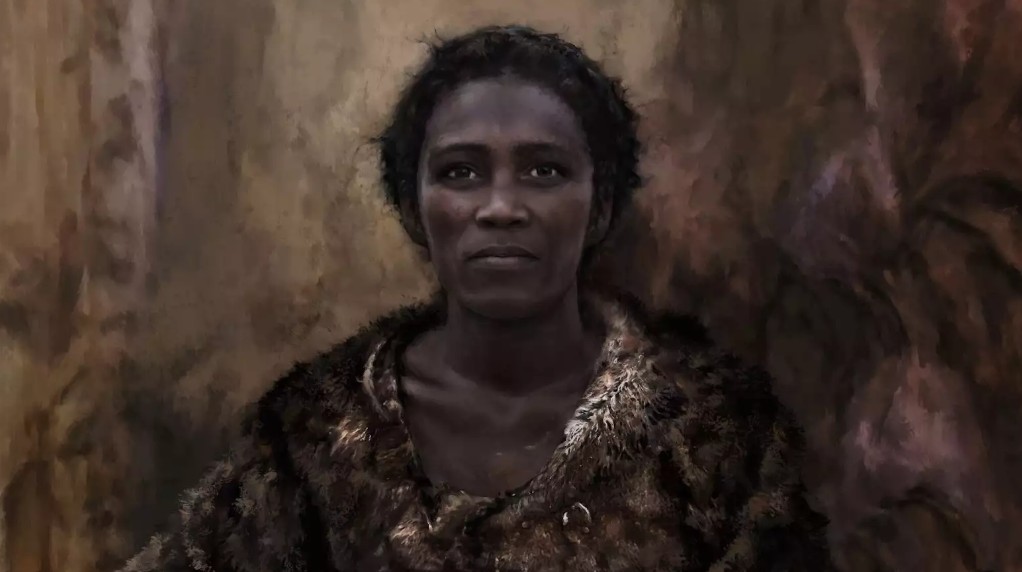
Genomes of seven early Europeans show they belonged to a small, isolated group that had recently mixed with Neandertals but left no present-day descendants
Evidence of First Women-Led Society in Europe
New research suggests that women had a higher status in society in Britain before the arrival of Romans. According to genetic evidence from Iron Age Britain women stayed within their ancestral communities. This indicates that social networks revolved around women in Britain at that time.
Podcast Episode 86 l Drastic Changes in Bird Evolution
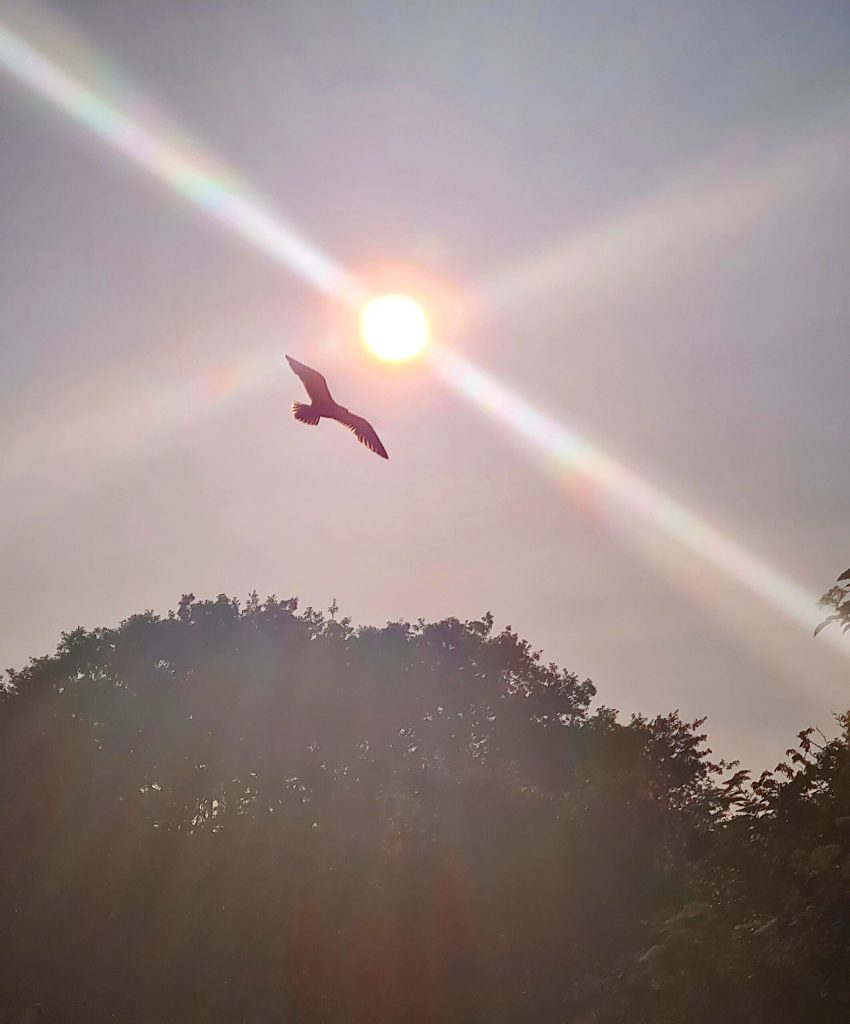
Recent advancements in genomic sequencing and analysis have started to unravel the intricate story of avian evolution. Two studies, published on April 1 in the journals Proceedings of the National Academy of Sciences (PNAS) and Nature, shed light on a genetic anomaly approximately 65 million years old (exactly when that asteroid hit) that has obscured scientists’ understanding of avian evolutionary history. Specifically, a section of one chromosome failed to undergo expected mixing with adjacent DNA, impeding the construction of a detailed bird family tree.
Podcast Episode 82 l Rosalind Franklin

Podcast Episode 82 is on Rosalind Franklin a British chemist and X-ray crystallographer, whose work was central to understanding the structure of DNA.
Fantastic Women Series l Rosalind Franklin l DNA Pioneer

This Fantastic Women Series blogpost is on Rosalind Franklin, DNA Pioneer, who, with Raymond Gosling took the famous double helix Photo 51.
Evolution may not be as random as we thought
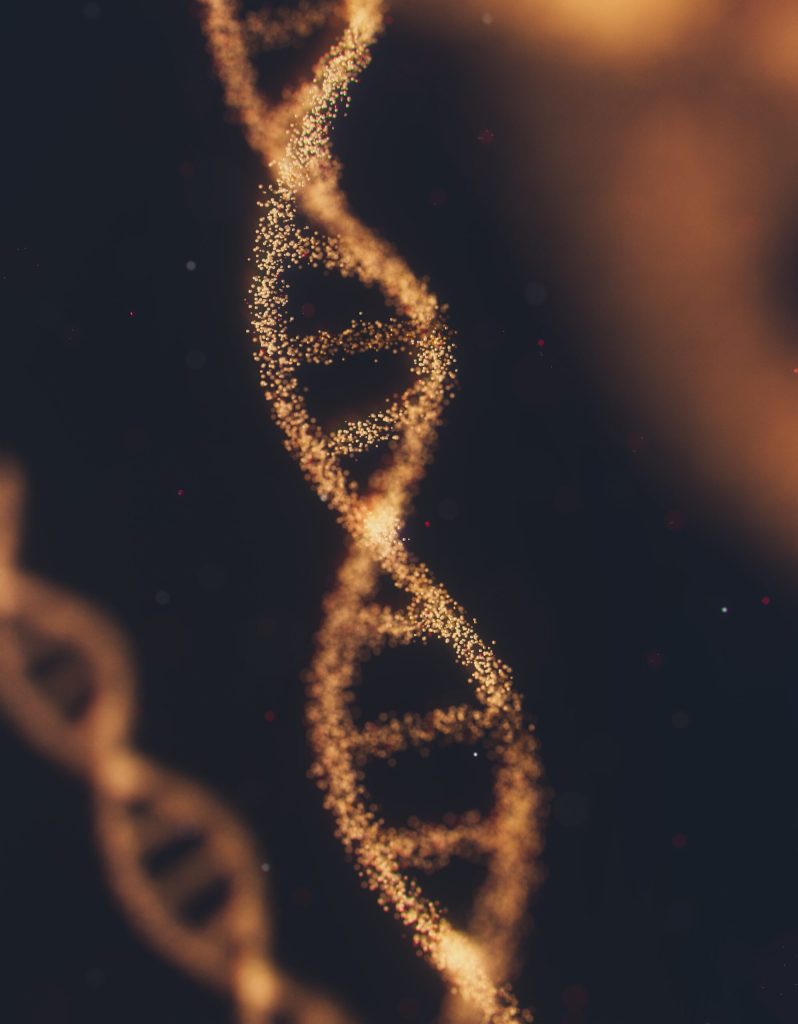
Evolution may not be as random as we thought according to a new study that analysed the pangenome of a single bacterium.
Indigenous Mexicans migrated to California 5,200 years ago bringing languages with them, according to DNA

Indigenous Mexicans migrated to California 5,200 years ago, likely bringing their languages with them, according to ancient DNA.