
The first image of Mars was hand colored

The first TV image of Mars, hand colored strip-by-strip, from Mariner 4 in 1965. The completed image was framed and presented to JPL director, William H. Pickering.
Podcast Episode 128 l What the Romans Can Teach Us About Sustainable Concrete
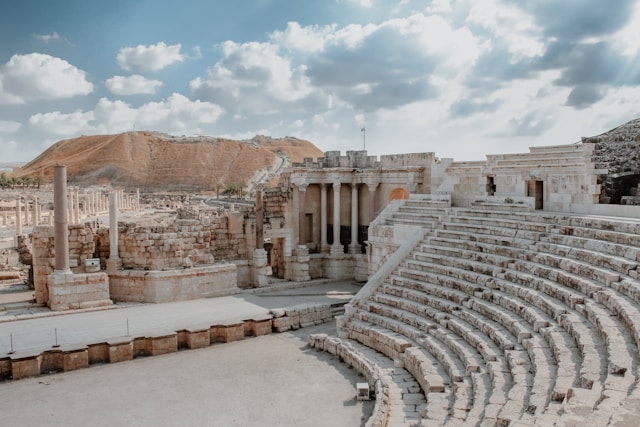
Discover how ancient Roman concrete has lasted nearly 2,000 years — and what it can teach us about building stronger, more sustainable structures today. From the Pantheon to self-healing concrete, this episode of 360 on History explores timeless lessons for modern construction.
The face of a 10,500-year-old woman
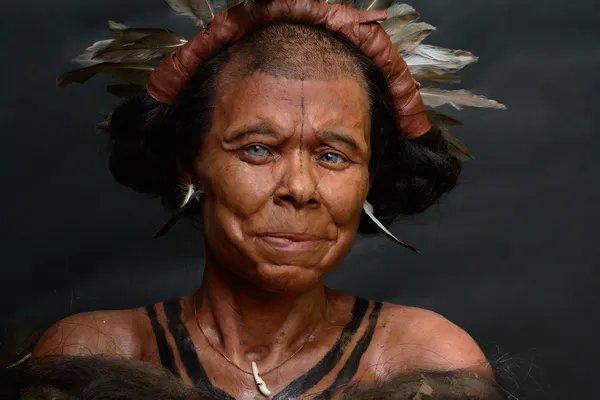
Scientists and artists collaborated to reconstruct the face of a 10,500-year-old woman whose remains were found in the Meuse Valley of Belgium.
What Modern Construction Can Learn from Roman Concrete
Discover what modern construction can learn from ancient Roman concrete. By using hot mixing with quicklime, Roman builders created self-healing concrete that seals cracks with rainwater. Explore the science behind this durable material.
Bertha Benz took the first ever road trip and invented brake pads along the way
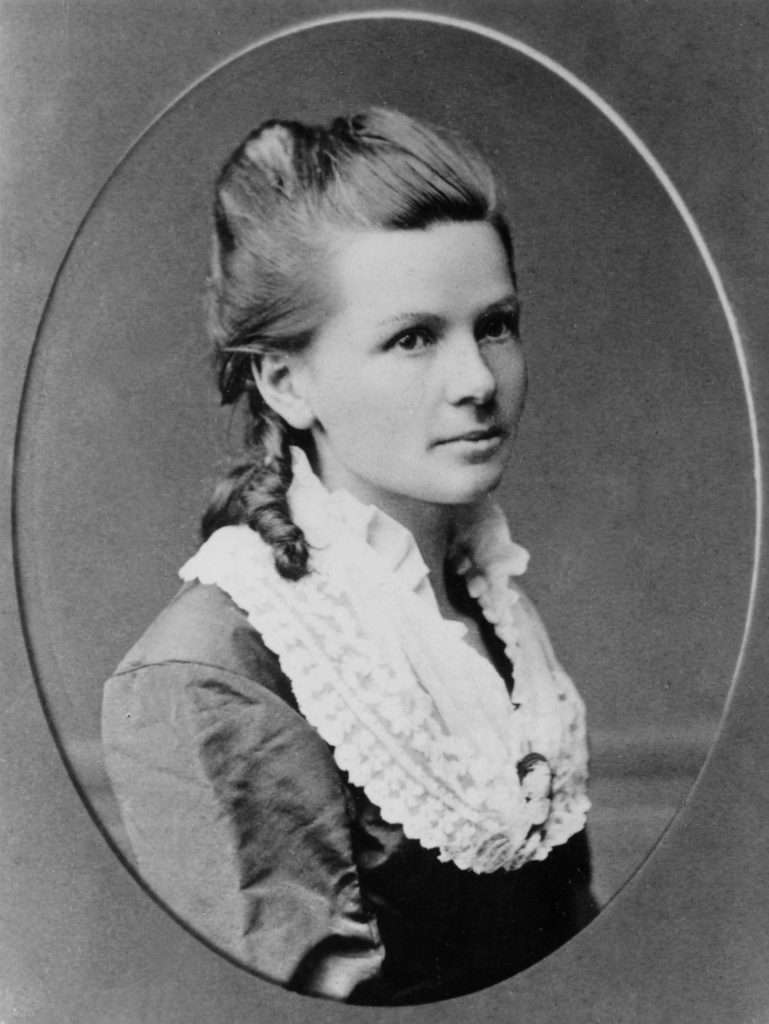
Bertha Benz took the first ever road trip and invented brake pads along the way
Podcast Episode 127 l Martha Jane Coston: The Woman Who Lit Up the Seas
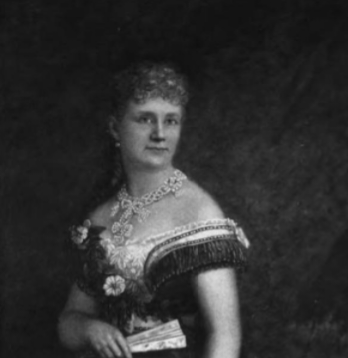
Her name is Martha Jane Coston, and she gave the world a way to communicate at sea – with bright, colourful flares that could be seen for miles. She wasn’t a trained scientist or engineer. She was a young widow and mother, facing personal tragedy and financial hardship. But through determination, creativity, and sheer grit, she changed maritime safety forever.
Podcast Episode 125 l Whistlestop History of Music

A whistlestop tour of the history of music. Starting from our ancient ancestors beating drums and creating flutes to the lyres of greece, the Gregorian chants of the medieval period, Mozart, Beethoven, jazz, blues and rock and roll. Till today when we are using AI to help us in our creations.
The oldest university in the world was established by a woman
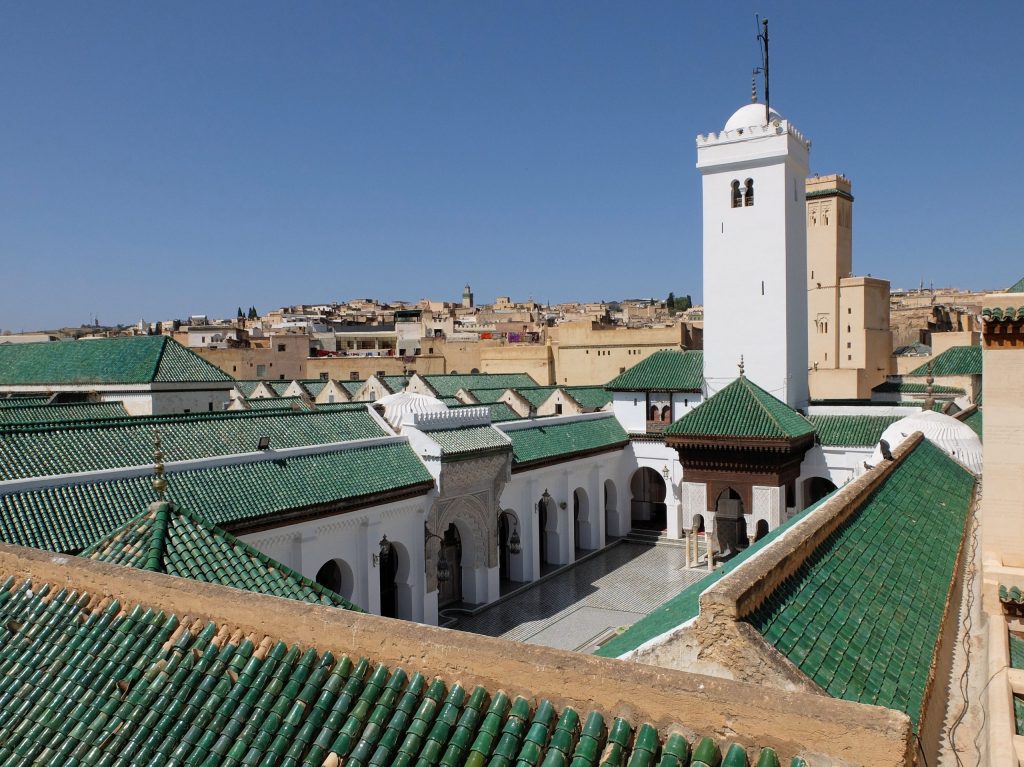
It is thought that Fatima al-Fihri founded the University of Al-Qarawiyyinin 859 AD using her inheritance from her nerchant father.
Podcast Episode 124 l The Ancient Windmills of Iran
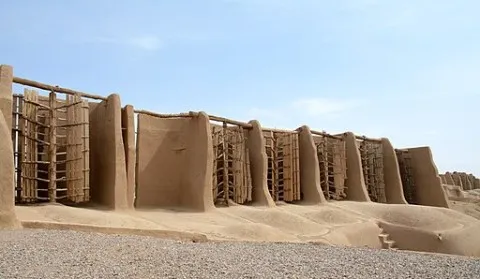
The Nashtifan windmills, also known as Asban, are located in eastern Iran. They are among the oldest windmills in the world. Made of clay, wood, and straw, these vertical-axis windmills have harnessed strong desert winds for centuries to grind grain, showcasing an ingenious example of ancient sustainable technology.
The Great Windmills of Nashtifan Iran That Still Function
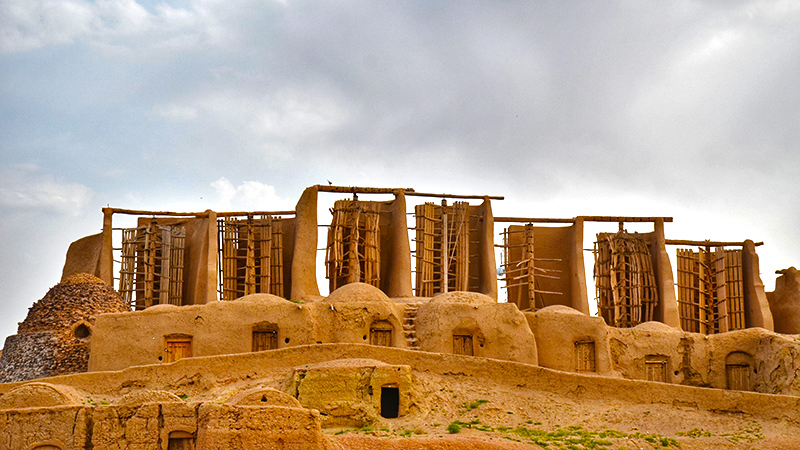
The Nashtifan windmills, located in eastern Iran, are among the oldest windmills in the world. Made of clay, wood, and straw, these vertical-axis windmills have harnessed strong desert winds for centuries to grind grain, showcasing an ingenious example of ancient sustainable technology.