
Podcast Episode 122 l Africa’s Kingdom of Aksum
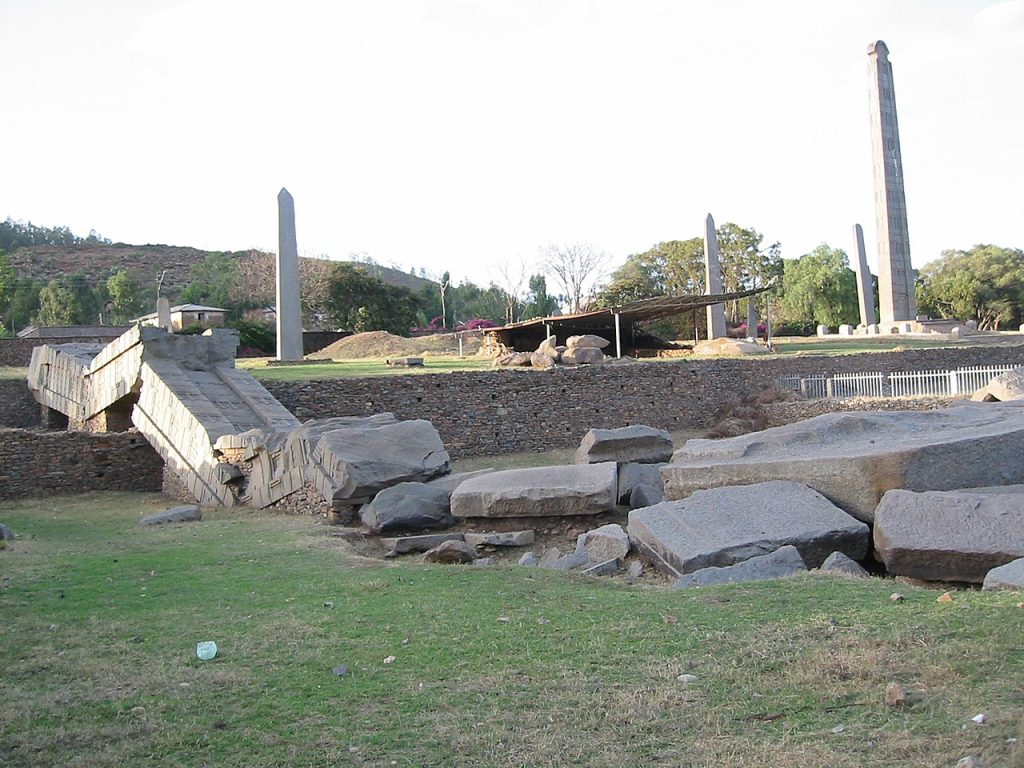
There was an ancient Kingdom in the Horn of Africa. It was called the Kingdom of Aksum and its was an important maritime hub and cultural centre, trading globally. It was also one of the first regions to adopt Christianity.
The Trumpet Call of Krakow

St. Mary’s Trumpet Call or Hejnal is a traditional, five-note Polish bugle call closely bound to the history and traditions of Kraków. It is played every hour on the hour, four times in succession in each of the four cardinal directions, by a trumpeter on the highest tower of the city’s Saint Mary’s Basilica.
Mercy Brown: American Vampire?
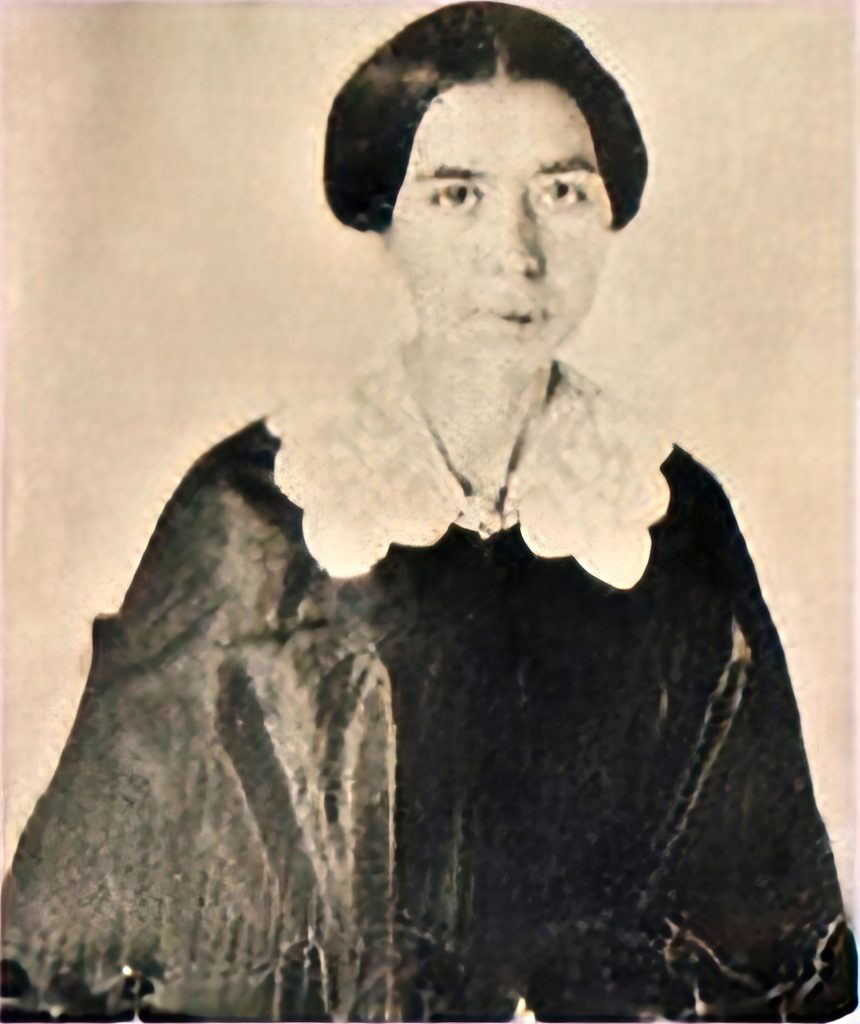
The most widely known example of a supposed American vampire is Mercy Brown, whose case in Rhode Island in 1892 fueled a New England vampire panic.
Once Lush and Green, the Sahara Desert Was Home to a Mysterious Human Lineage
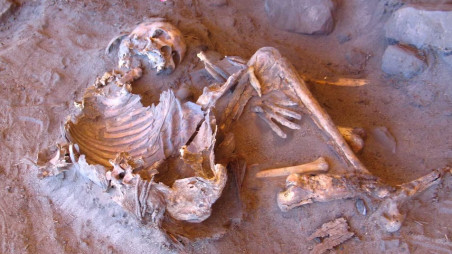
The Sahara was a green savannah during the African Humid Period, supporting human settlements and animal herding. DNA from two 7,000-year-old women in Libya reveals a unique North African genetic group linked to ancient Moroccan foragers. The Takarkori people had less Neanderthal DNA than Levantine farmers but more than sub-Saharan Africans, indicating limited gene flow between the regions.
Napoleon’s abdication at Fontainebleau
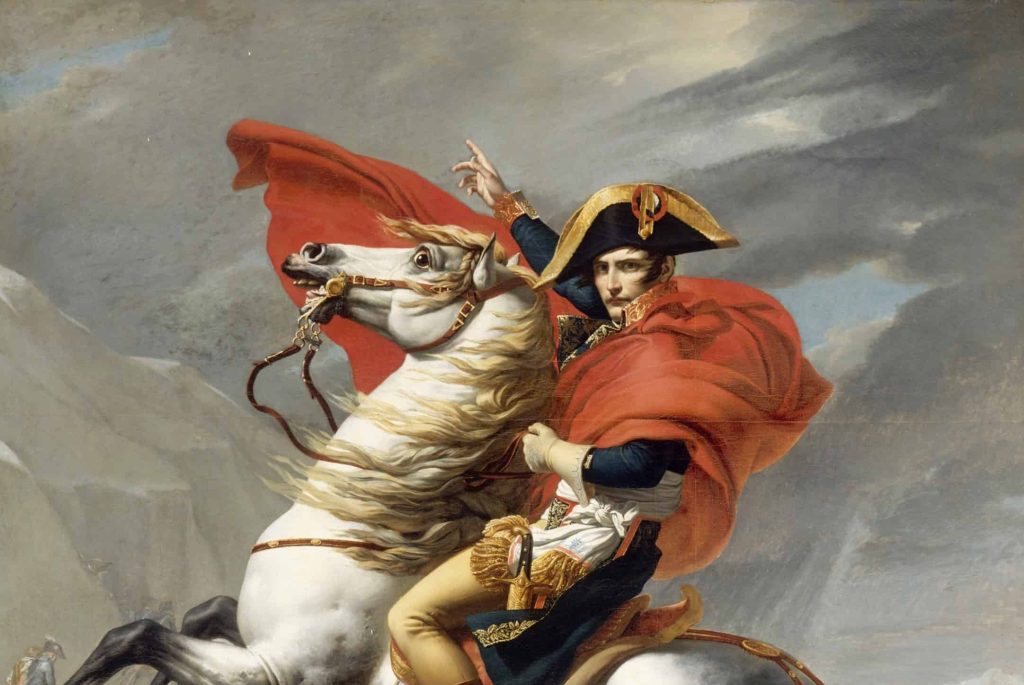
On this day in 1814, during the Napoleonic wars, Napoleon was facing an invasion of France by forces bent on his overthrow and, pressed by his own officers, abdicated unconditionally at Fontainebleau.
Both genders in Hunter-gatherer societies had remarkable physical abilities

Meta-analysis of hunter-gatherer societies shows remarkable physical abilities of both genders. They found that gender has not historically played much of a role in physical activities—women ran, swam, climbed trees and dived for food, just as much as men did. The only bias they could find was against women climbing tall trees, and even these instances were rare.
Podcast Episode 117 l Krakow: A Medieval Town
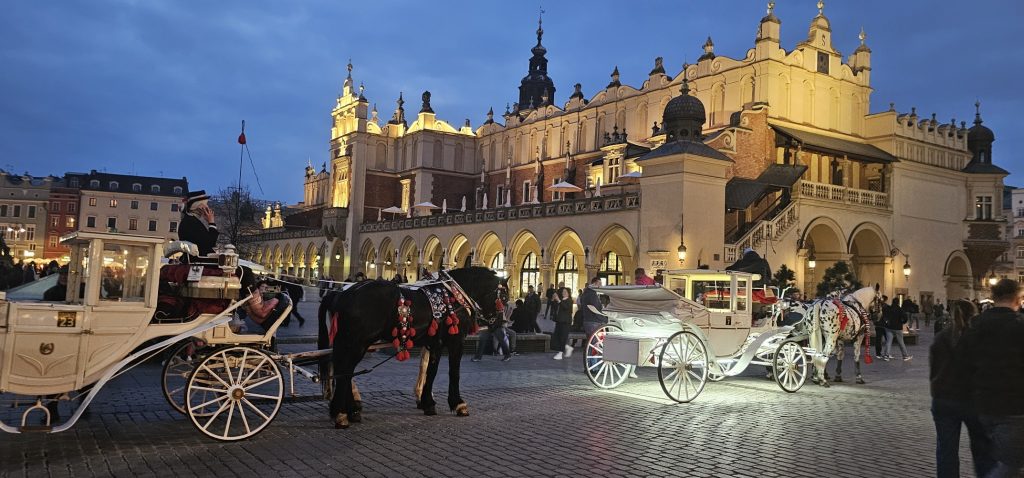
Podcast Episode 117 is all about Krakow, A Medieval Town in Poland that used to be its royal capital back when Krakow was on the trade routes.
Podcast Episode 115 l Women Led Societies and Origin of Indo European Languages
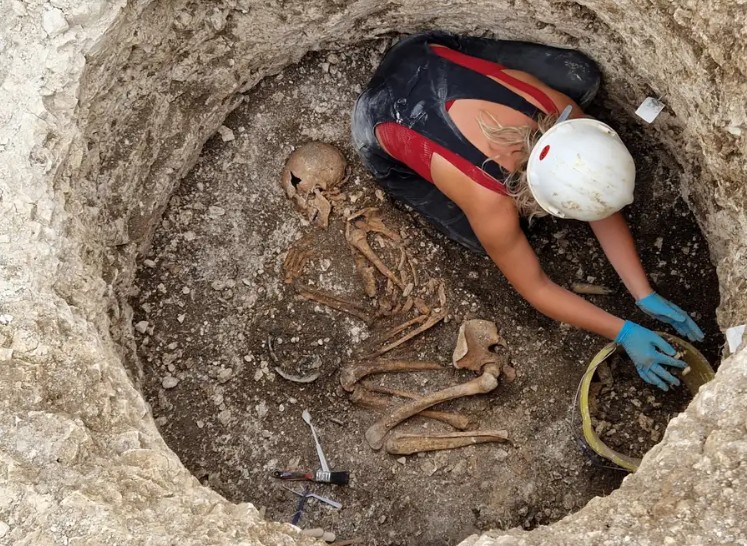
A two part podcast episode on Women Led Societies in Britain and Origin of Indo European Languages, which are the fore-runners of most known in the world.
Oldest modern human roamed Europe and then disappeared
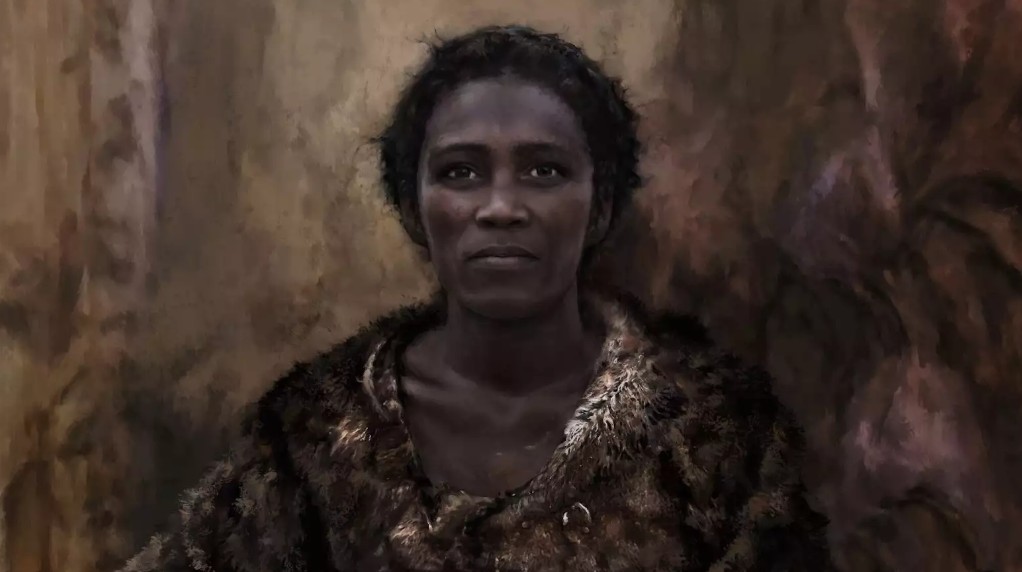
Genomes of seven early Europeans show they belonged to a small, isolated group that had recently mixed with Neandertals but left no present-day descendants
Evidence of First Women-Led Society in Europe
New research suggests that women had a higher status in society in Britain before the arrival of Romans. According to genetic evidence from Iron Age Britain women stayed within their ancestral communities. This indicates that social networks revolved around women in Britain at that time.