
Webb Telescope Finds ‘Red Monsters’
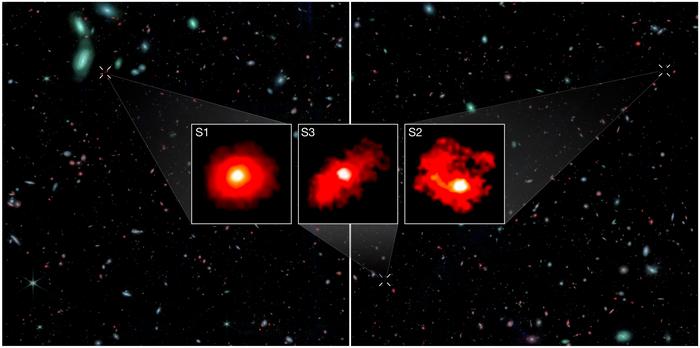
The James Webb Space Telescope has discovered three massive “red monster” galaxies formed shortly after the Big Bang. Each galaxy is nearly as large as the Milky Way, challenging existing theories of galactic evolution by suggesting that star formation occurred much more rapidly than previously believed. This finding could fundamentally alter our understanding of how galaxies develop in the early universe.
The Story of Our Universe in a Picture
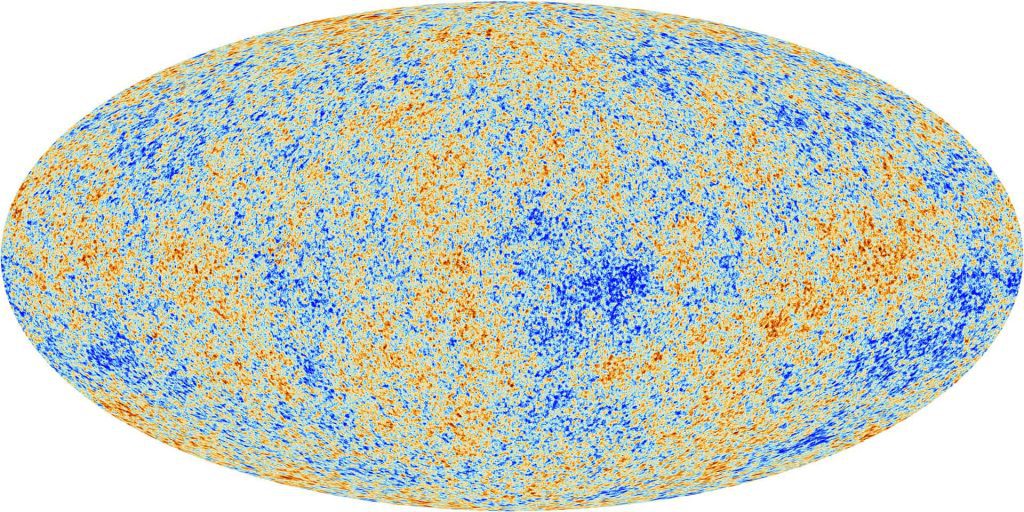
The Story of Our Universe in a Picture of the cosmic microwave background from Planck telescope from 380,000 years after the Big Bang. that shows what the early Universe looked like.
Astronomers see a massive black hole awaken in real time & feed
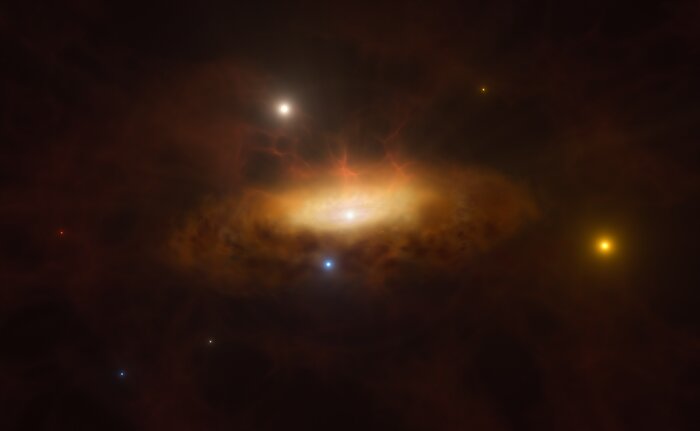
Astronomers see a massive black hole awaken in real time & feed on its surrounding gases. This is the first time this had been observed
Euclid’s first images: the dazzling edge of darkness
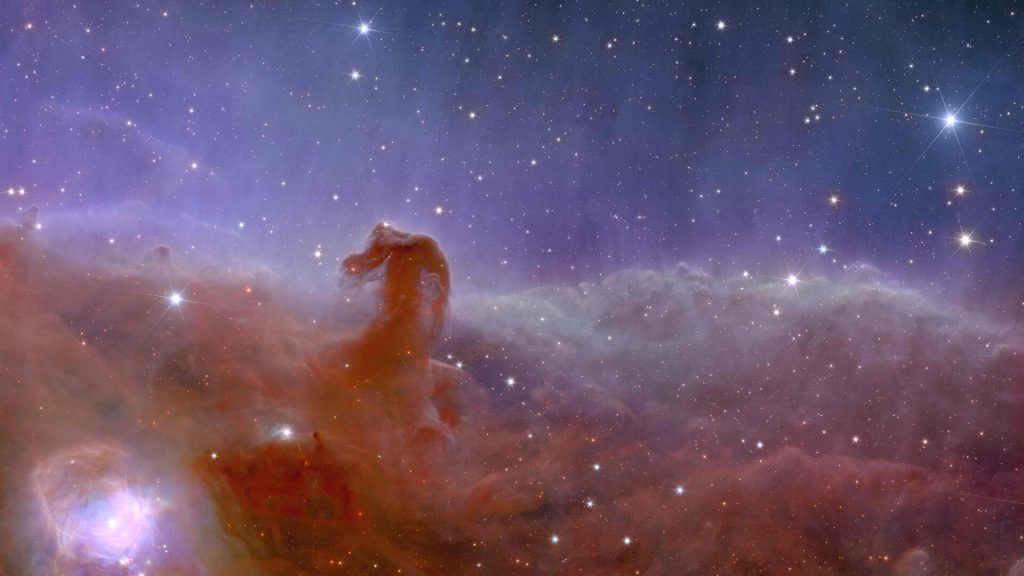
Euclid’s first images from the dazzling edge of darkness have been revealed. These five images illustrate Euclid’s full potential.
James Webb Telescope and the images it has taken l Video
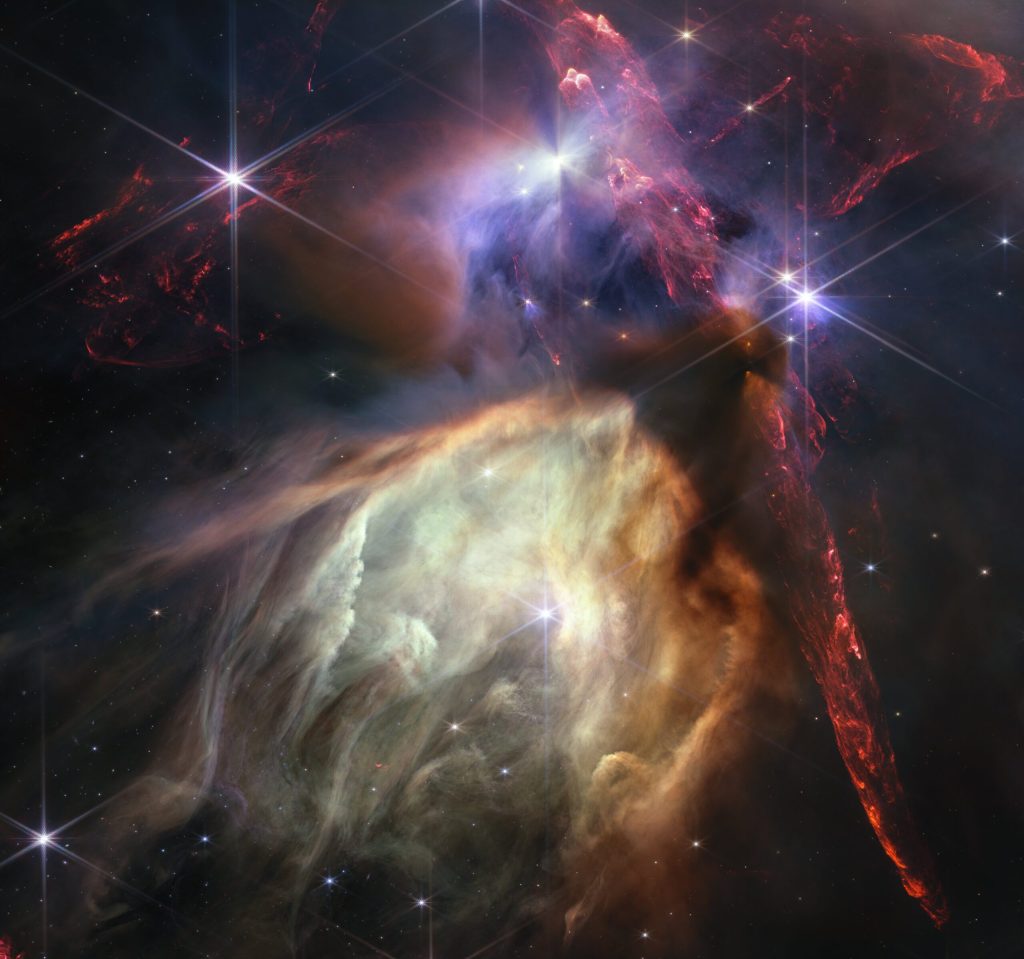
Here is the James Webb Telescope orbiting the Sun about 1 million miles from Earth and some of the iconic images it has taken in this Video.
What makes the Sun’s atmosphere hotter than its surface?
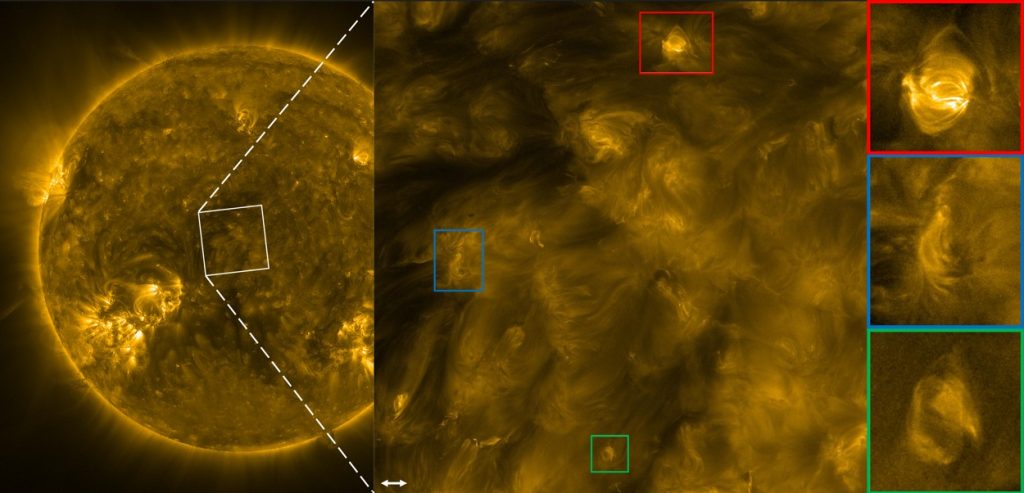
A joint team of scientists from the Royal Observatory of Belgium (ROB) and KU Leuven have found that high-frequency magnetic waves may play a key role in heating the sun’s atmosphere to millions of degrees. This finding provides new insights into one of the most puzzling mysteries of the sun: why its atmosphere is hotter than its surface.
The story of a runaway star ejected by a powerful explosion
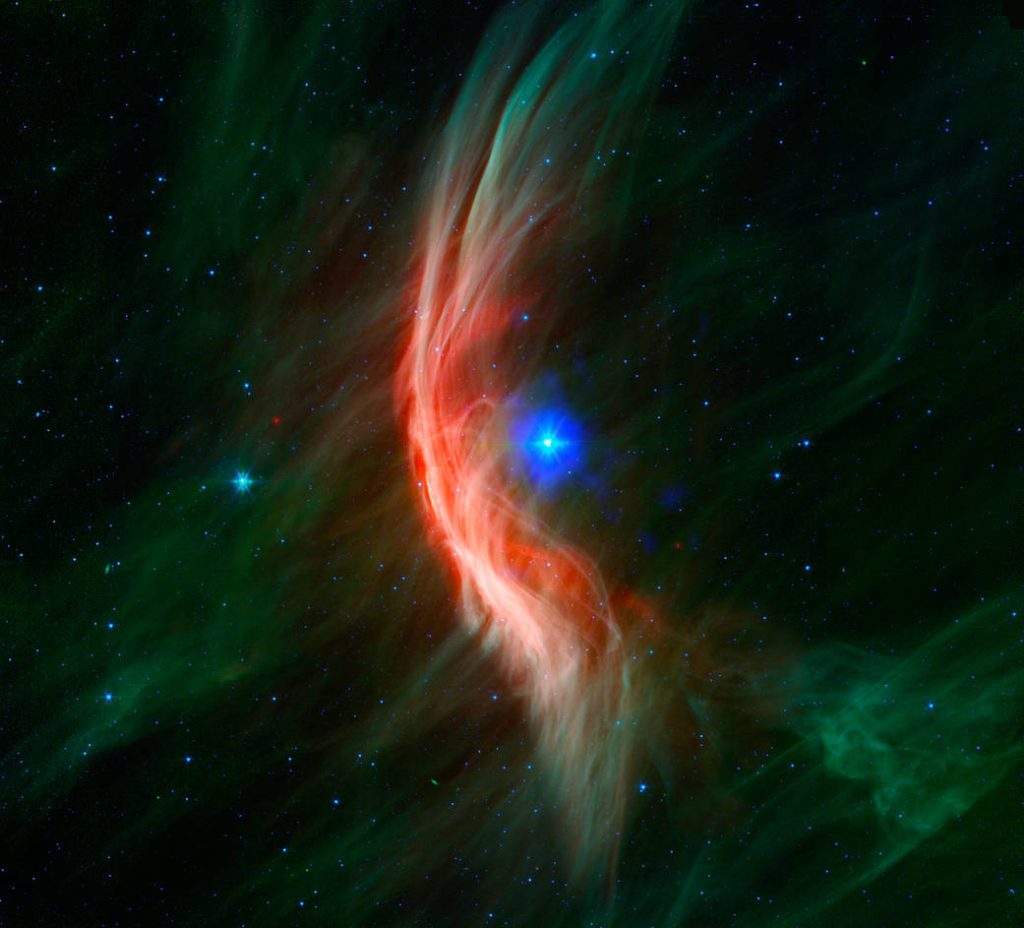
The story of a runaway star ejected by a powerful explosion called Zeta Ophiuchi that was ejected at 100,000 miles per hour.
James Webb Space Telescope finds the oldest galaxy we have seen
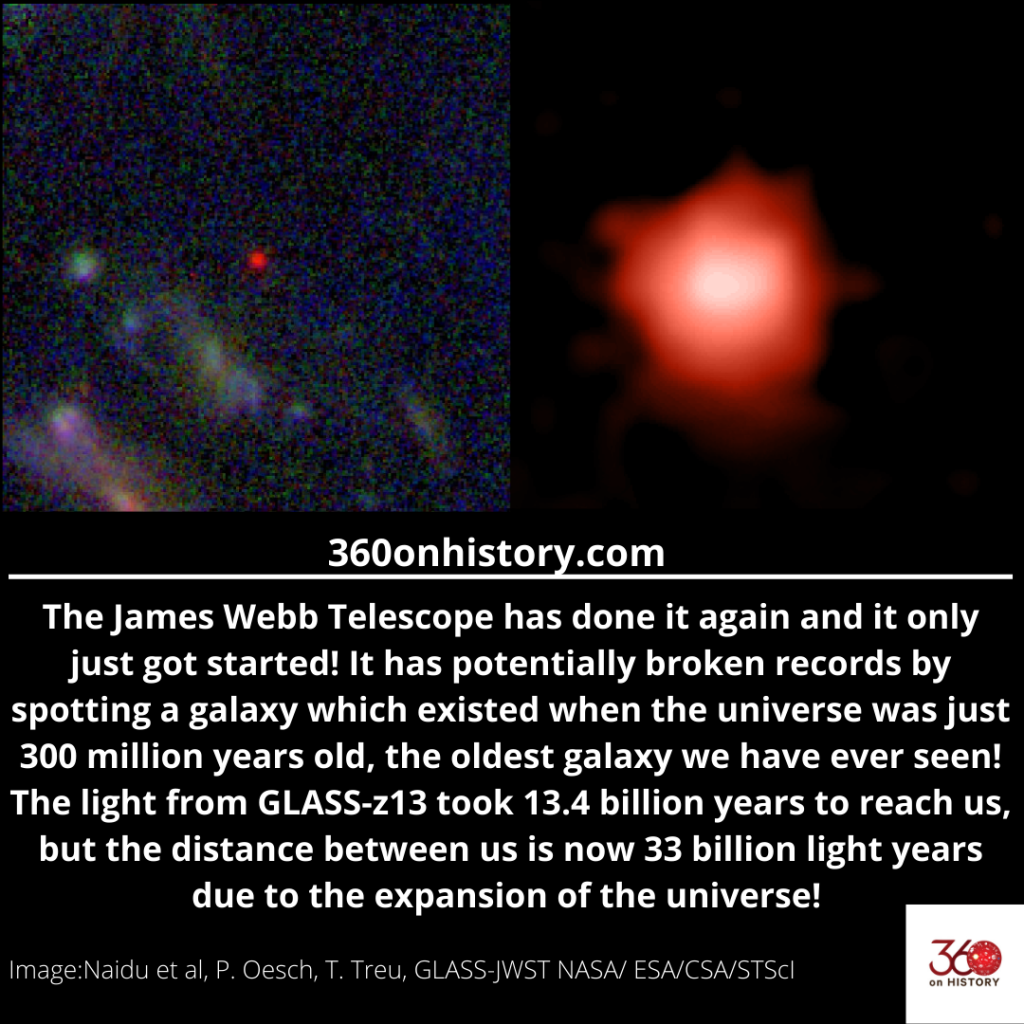
James Webb Space Telescope finds oldest galaxy we have seen from 300 million years after birth of the Universe. It has taken 13.4 billion years to reach us.
Largest Comet ever seen is coming toward Earth

The largest comet ever seen by Hubble Space Telescope is hurtling towards Earth. This behemoth has a diameter of 80 miles (129 km) across, with a nucleus 50 times bigger than normal, which according to NASA, makes it larger than the state of Rhode Island. The icy nucleus has a mass of about 500 trillion tonnes, a hundred thousand times greater than the mass of a typical comet found much closer to the Sun.
James Webb Telescope just returned its first image and it is glorious

James Webb Telescope just returned its first image and it is glorious, after a critical stage, the mirror alignment steps of the telescope was completed, on March 11, 2022.