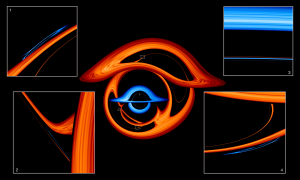
Podcast Episode 108 l Do stupendously large black holes exist?
Stupendously large black holes (SLABs) are theoretical cosmic giants, potentially reaching trillions of solar masses with radii about a light-year wide. Though unobserved, they could

Stupendously large black holes (SLABs) are theoretical cosmic giants, potentially reaching trillions of solar masses with radii about a light-year wide. Though unobserved, they could
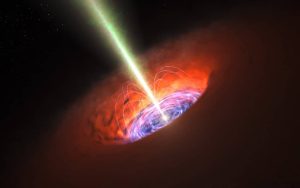
Stupendously large black holes (SLABs) are hypothetical cosmic giants thought to exceed trillions of solar masses, with radii stretching roughly a light-year across. While none
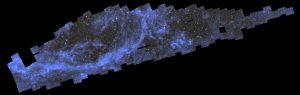
A mosaic of 1% of the map of the universe showcasing 14 million galaxies
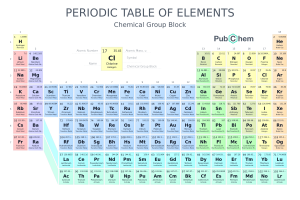
The Periodic Table of Elements was the work of many scientists and over 200 years of work. Here is an Infographic of its Timeline, till
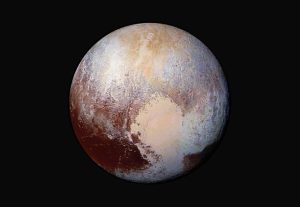
Pluto – It used to be a Planet that wasn’t and became a Dwarf Planet. It is far out in the Solar System in theicy

In Science: Published on November 29, 1935. On this day, Erwin SchrÁ¶dinger published the paper that introduced his famous “cat thought experiment.” Designed to challenge

Why is this vampire bat running on a treadmill? Scientists put them there to study their metabolism.

Fat cells retain memory and that’s one reason why it is hard to lose weight says a new study. Changes in DNA affect cell activity
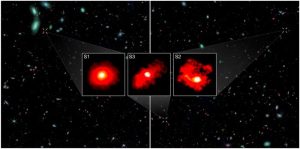
The James Webb Space Telescope has discovered three massive “red monster” galaxies formed shortly after the Big Bang. Each galaxy is nearly as large as
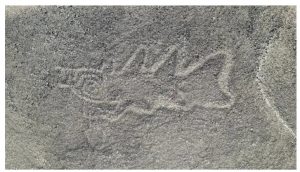
This podcast episode is on the the Nazca Lines, ancient lines carved on to the desert floor in Peru created over 2000 years ago.
Stupendously large black holes (SLABs) are theoretical cosmic giants, potentially reaching trillions of solar masses with radii about a light-year wide. Though unobserved, they could
Stupendously large black holes (SLABs) are hypothetical cosmic giants thought to exceed trillions of solar masses, with radii stretching roughly a light-year across. While none
A mosaic of 1% of the map of the universe showcasing 14 million galaxies
The Periodic Table of Elements was the work of many scientists and over 200 years of work. Here is an Infographic of its Timeline, till
Pluto – It used to be a Planet that wasn’t and became a Dwarf Planet. It is far out in the Solar System in theicy
In Science: Published on November 29, 1935. On this day, Erwin SchrÁ¶dinger published the paper that introduced his famous “cat thought experiment.” Designed to challenge
Why is this vampire bat running on a treadmill? Scientists put them there to study their metabolism.
Fat cells retain memory and that’s one reason why it is hard to lose weight says a new study. Changes in DNA affect cell activity
The James Webb Space Telescope has discovered three massive “red monster” galaxies formed shortly after the Big Bang. Each galaxy is nearly as large as
This podcast episode is on the the Nazca Lines, ancient lines carved on to the desert floor in Peru created over 2000 years ago.


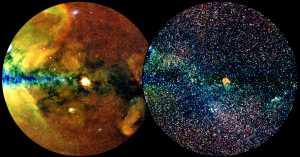
Here is the first eROSITA sky-survey data release, the largest
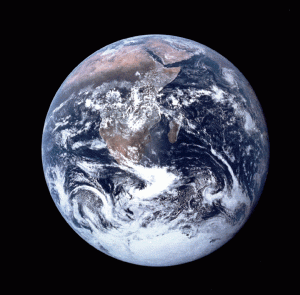
Earth’s mass extinctions were Ordovician, Devonian, Permian, Triassic & Cretaceous

Why we should love dandelions, post on Nature and Bees

The Michelin company is responsible for both rubber tyres and